SIBLAC asks for strict legal checks during Sikkim electoral roll revision
SIBLAC welcomed the Election Commission of India’s Special Intensive Revision in Sikkim and urged officials to follow constitutional and legal provisions while聽
The Sikkim Bhutia Lepcha Apex Committee (SIBLAC) has welcomed the Election Commission of India’s ongoing Special Intensive Revision (SIR) of electoral rolls in Sikkim. In a statement issued on Thursday, the committee said it appreciates the Election Commission of India, the Chief Electoral Officer in Sikkim, the election department, and others involved for efforts aimed at a transparent and legally sustainable revision process.
Hearings should not become a formality
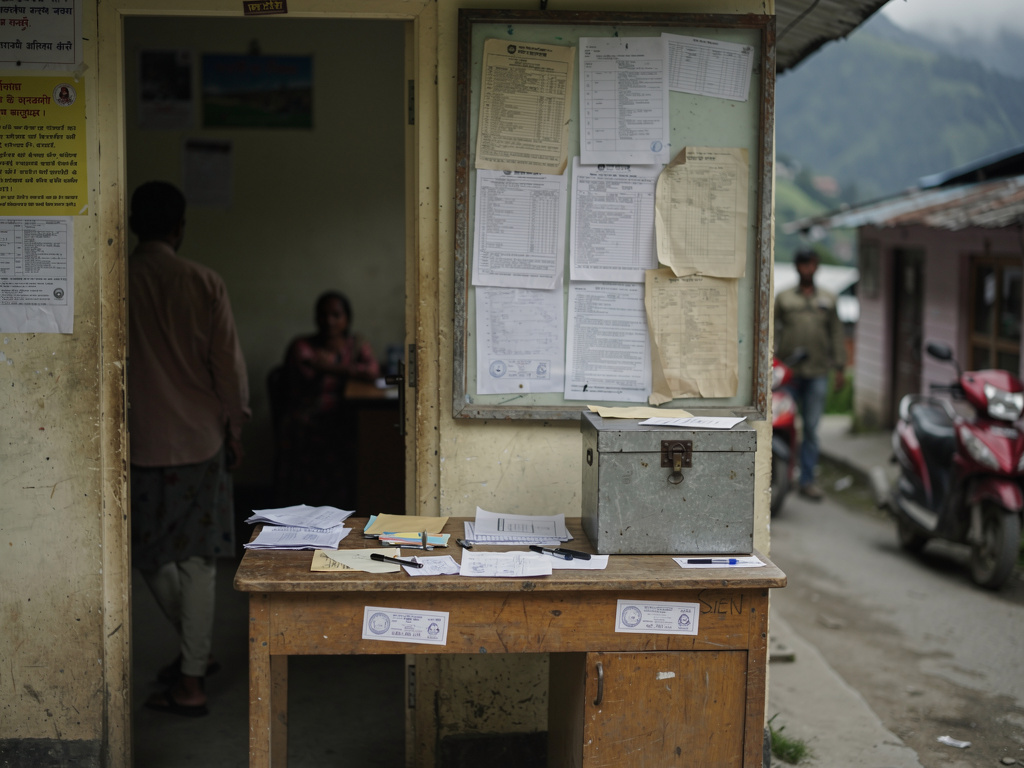
SIBLAC said the hearing process under the SIR should not turn into a “mere procedural formality.” It urged authorities to examine every claim and objection strictly as per the instructions in the Enumeration Form and applicable laws. The committee also appealed for impartial decisions based on admissible evidence, and said officials should not be influenced by administrative convenience, public pressure, or campaigning on social media.
The committee highlighted a legal timeline for citizenship in Sikkim. It said the Citizenship Act, 1955 became applicable to Sikkim only after the state’s merger with India on May 16, 1975. According to SIBLAC, citizenship in the former Kingdom of Sikkim was governed by the Sikkim Subject Regulation, 1961, where citizenship was determined mainly by descent rather than the place of birth.
Documents and certificates must be legally admissible
SIBLAC also laid out how it believes electoral claims should be assessed. It recommended that cases relying on birth in Sikkim before May 16, 1975 for Indian citizenship should be referred, where needed, to the Ministry of Home Affairs for clarification. The committee said electoral authorities should rely only on legally admissible documents while deciding inclusion in the electoral roll.
It questioned the weight given to certain records. SIBLAC said documents such as Dhuri Khazana records and Residential Certificates, which do not state a holder’s date and place of birth in India, should not be treated as conclusive proof of citizenship or electoral eligibility. It also said No Objection Certificates issued by elected representatives, panchayats, or school heads cannot determine citizenship or electoral eligibility, since such bodies are not legally empowered to certify citizenship.
On passports, SIBLAC urged verification of foundational documents used to issue them where necessary. It referred to a clarification by the Ministry of External Affairs that passports are primarily travel documents. The committee also cited a 2023 CBI investigation into alleged passport issuance to foreign nationals using forged documents in Gangtok, and said passports alone should not be treated as conclusive proof of citizenship for electoral purposes. SIBLAC said the aim is to ensure that genuine citizens are not excluded and that ineligible persons are not included.