Researchers identify a new firefly species in Meghalaya’s Mawsynram
A team of researchers has described a previously unknown firefly species from Mawsynram, using morphology and DNA barcoding, and says the insect may have a very
Meghalaya has gained another addition to its biodiversity with the identification of a previously unknown firefly species from Mawsynram. The insect has been described as Pygoluciola mawsynram, strengthening the growing list of scientific discoveries linked to the state’s forests, streams and grasslands.
A new species named after Mawsynram
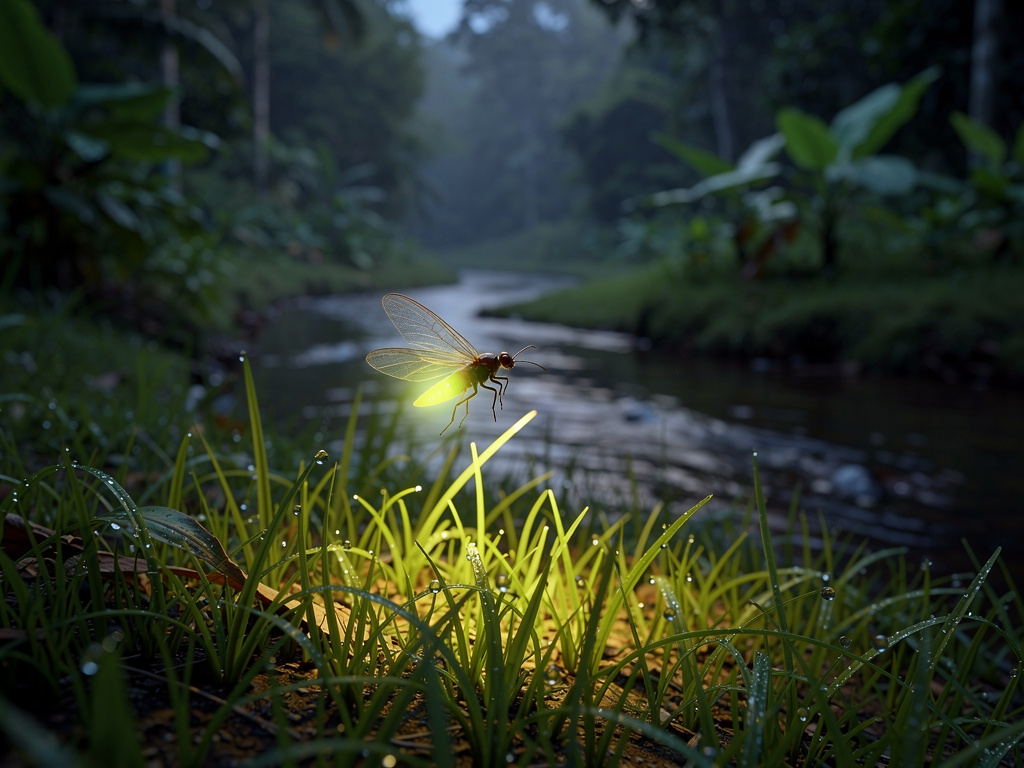
The species was first recorded in Mawsynram and has been named after the area. The work was carried out by researchers including Emma Magdalene Nonglang, Dhiraj Kumar Das, Samrat Sengupta and Jane Wanry Shangpliang, with the description published in the Asian Journal of Conservation Biology. The authors say this brings the number of known species in the Pygoluciola genus to 29 worldwide.
To confirm the discovery, the team studied the firefly’s physical features and also used DNA barcoding. They report that the firefly is genetically distinct from other known members of the genus, supporting the case that it is a new species rather than a variation of an existing one.
The researchers surveyed 29 locations in and around Mawsynram during the pre-monsoon season of 2024. The firefly was found at 10 sites only, suggesting it may have a restricted distribution. Field observations place the insect in moist grasslands, semi-evergreen forests, and areas around streams and waterfalls.
Active after dusk in wet habitats
The study also notes that males become active after dusk. The authors say the discovery highlights how much Northeast India still has to offer to science, especially because fireflies have received limited scientific attention for more than a century in parts of India.
For Meghalaya, the new species is seen as another reminder that the state’s ecological importance goes beyond its well-known rainfall patterns. The researchers argue that more systematic biodiversity surveys across the Northeast could help uncover additional species and support conservation of habitats where such “fragile lights” continue to appear.