Rising Night Temperatures Leave Guwahati Residents With Fewer Hours of Sleep Each Year
A new climate analysis says Guwahati residents lose about 72 hours of sleep annually due to high nighttime temperatures, with six hours linked to climate change
High nighttime temperatures are affecting sleep in Guwahati, according to a new analysis by Climate Central. The study estimates that people in the city lose an average of 72 hours of sleep every year because of heat at night. Of this total sleep loss, six hours are directly linked to human-caused climate change.
The research also suggests the problem has been growing over time. It compares two periods, reporting that between 1970 and 1975, residents lost about 65 hours of sleep annually due to heat, with only three of those hours attributed to climate change. By the period of 2020 to 2025, total sleep loss rose to 72 hours and the climate change-linked portion doubled to six hours.
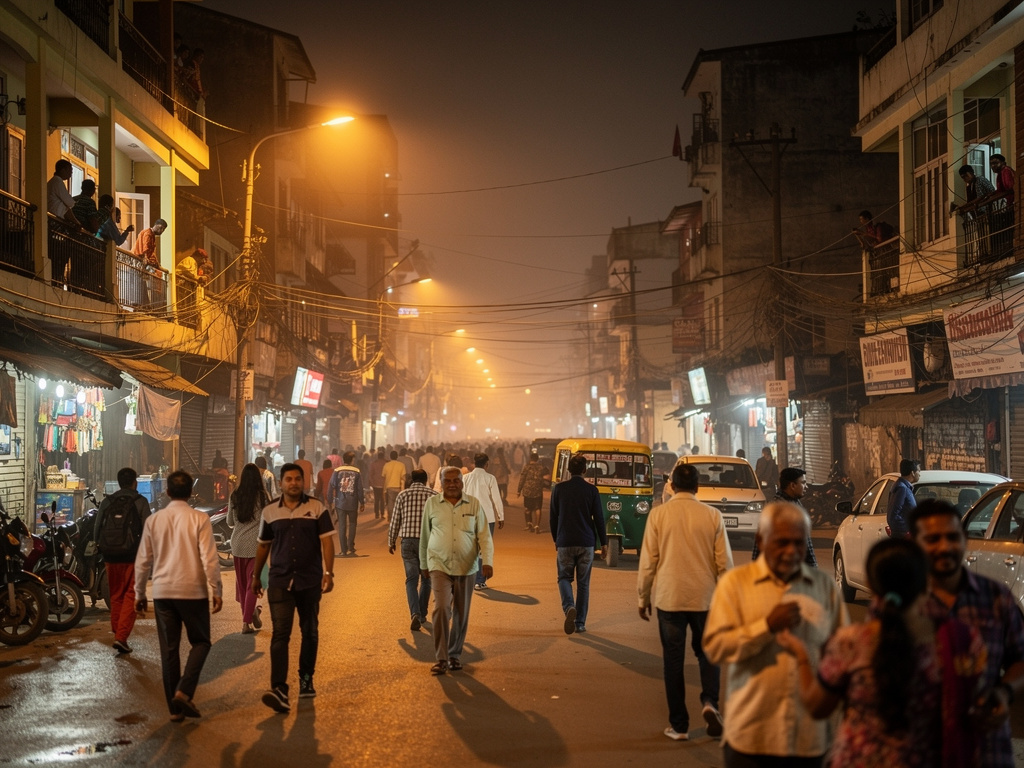
Climate change is rising faster at night
The analysis is based on research that connects temperature and sleep, along with methods that attribute parts of temperature trends to climate change. It highlights that nighttime temperatures are increasing even faster than daytime temperatures in many places. This matters because the body needs a cooler environment to rest and recover, and warmer nights can make it harder to cool down during sleep.
The same global study examined 1,338 major cities and found that sleep loss linked to climate change has at least doubled since the early 1970s. India is described as one of the hotspots for climate-related sleep disruption, with the report focusing on 107 Indian cities. It says the warm-nights pattern is affecting sleep across these cities and points to the broader rise in temperature-related sleep loss.
Broader health concerns tied to poor sleep
The report warns that disrupted sleep can have public health implications. It notes that sleep loss caused by warmer nights has been linked in earlier research to problems such as cardiovascular disease, weakened immunity, poorer mental health, reduced cognitive performance, and lower workplace productivity.
While the study places Guwahati within the wider national trend, it also compares cities. It states that southern Indian cities show the highest overall sleep losses, while major metros are among those with high totals. The findings for Guwahati show an increase in both total heat-related sleep loss and the share attributed to climate change, adding another way global warming can affect daily life.