Why Football Stalls in India: A Look at Incentives, Funding, and Daily Passion in the Northeast
A debate taking shape in the Northeast highlights how football culture runs deep, yet national progress is held back by issues like corruption claims, age-fraud
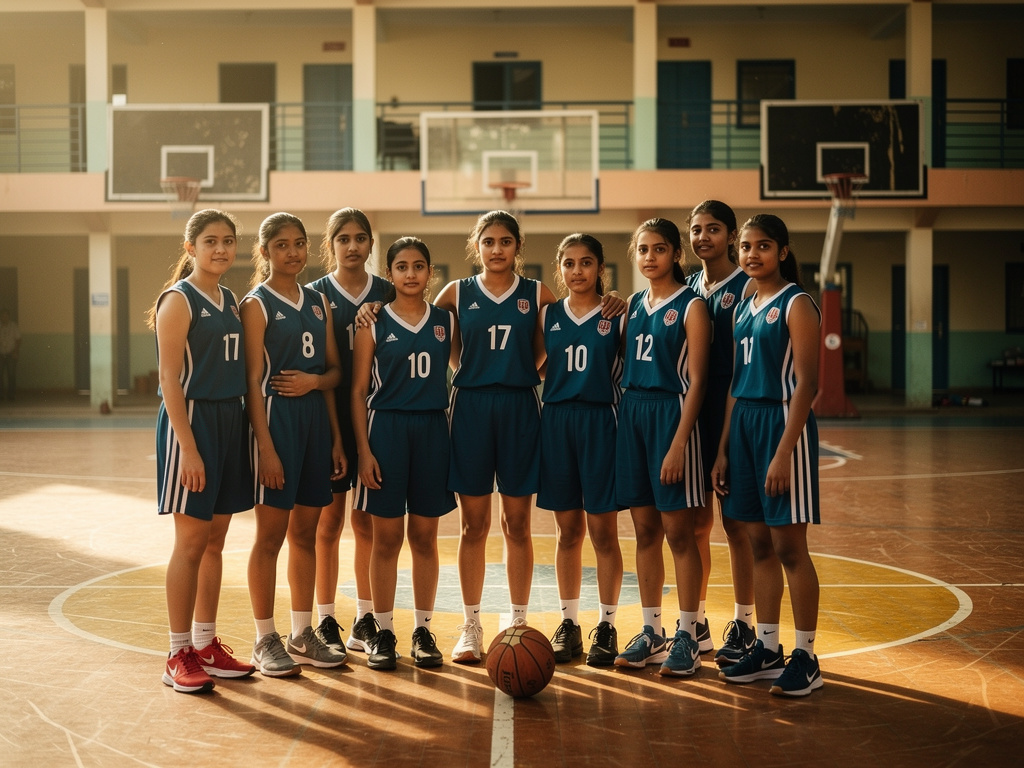
In parts of Northeast India, football is not just a sport. It shapes everyday life, from families to local fan groups. In one account, a small city and a small state are described as places where children are often handed a ball early, and where conversations around football are as common as daily schedules.
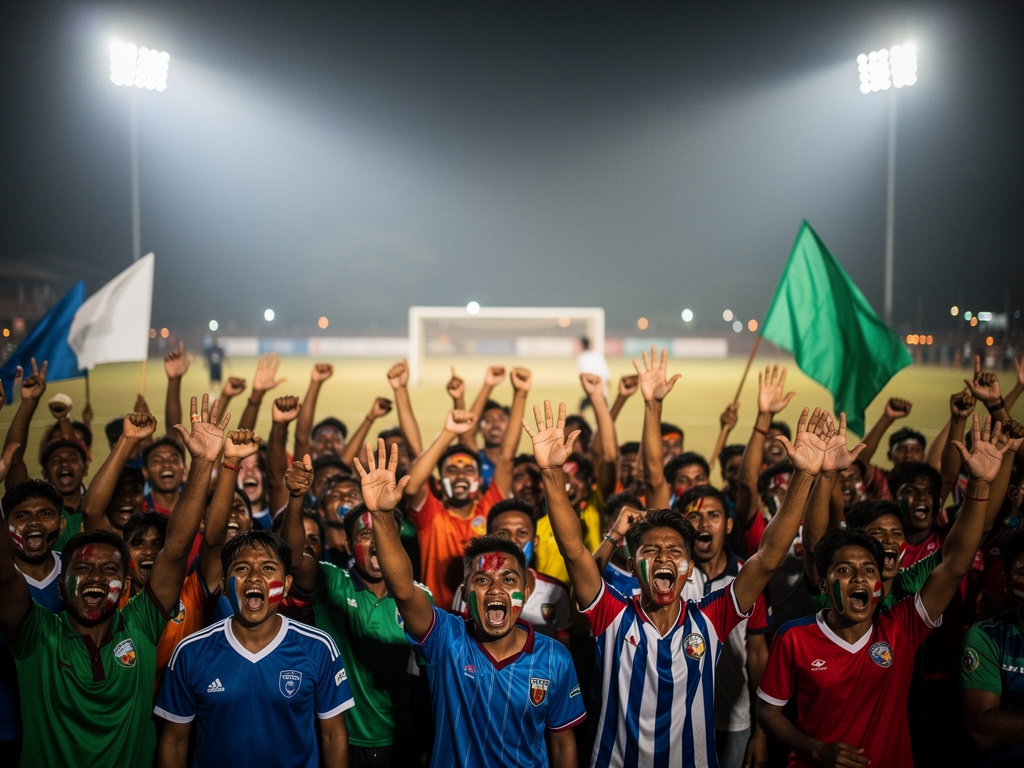
The same piece describes how match times influence dinner plans, and how supporters gather with intense energy when big goals are scored. It also notes that charitable drives and community activities linked to football clubs take place in the region.
Common explanations from people with no role in administration
When the author asked an army man and a sumo driver why India struggles to reach the World Cup, both gave quick, direct reasons. The army man said it is due to corruption in sports federation structures. The driver pointed to what he called the priority given to cricket. The account presents these views as widely shared, not as specialist knowledge.
The article then shifts to a deeper explanation drawn from a discussion about a talk by Richard Hood, who is described as having led player development for Indian football. The central argument is about incentives. It says age fraud in youth football is not only about trophy wins, but can be treated as a career strategy, because documents used for sports quotas can open the door to long-term government jobs. In this framing, the system may punish fraud less than it rewards it.
Grassroots gaps and fewer competitive matches
The piece also highlights where institutions seem to focus attention. It says events that attract headlines, including an India-hosted U17 World Cup and major football tours, may look good in reports, but do less for building a steady pipeline. Instead, district leagues—the base level of player development—are described as underfunded and under-supported.
Another comparison in the account is match exposure. It claims an average Indian youth player gets only around two months of competitive games in a year, while a European youth player gets far more. The essay uses this gap to argue that passion alone cannot bridge the divide if development structures do not offer enough regular competitive football.