IIT Guwahati study calls for stronger community protections in Subansiri hydropower project
An IIT Guwahati-led research looks at how the Subansiri Lower Hydroelectric Project affects downstream communities in Assam, highlighting concerns about floods,
As India pushes hydropower to support its low-carbon goals, an IIT Guwahati-led study has added new focus to an old question: how to balance large dam projects with the rights and lived experience of people downstream. The paper looks at the Subansiri Lower Hydroelectric Project and argues that success should be measured not only by power generation, but also by how benefits and harm are shared.
The research says the project has brought clear gains. During construction, many local residents found work. The paper also notes that some residents returned to their homes after the COVID-19 period instead of migrating elsewhere. It further points to support for local services, including schools, healthcare facilities, drinking water schemes and skill development initiatives linked to NHPC’s work around the project area.
Concerns over floods, fisheries and participation
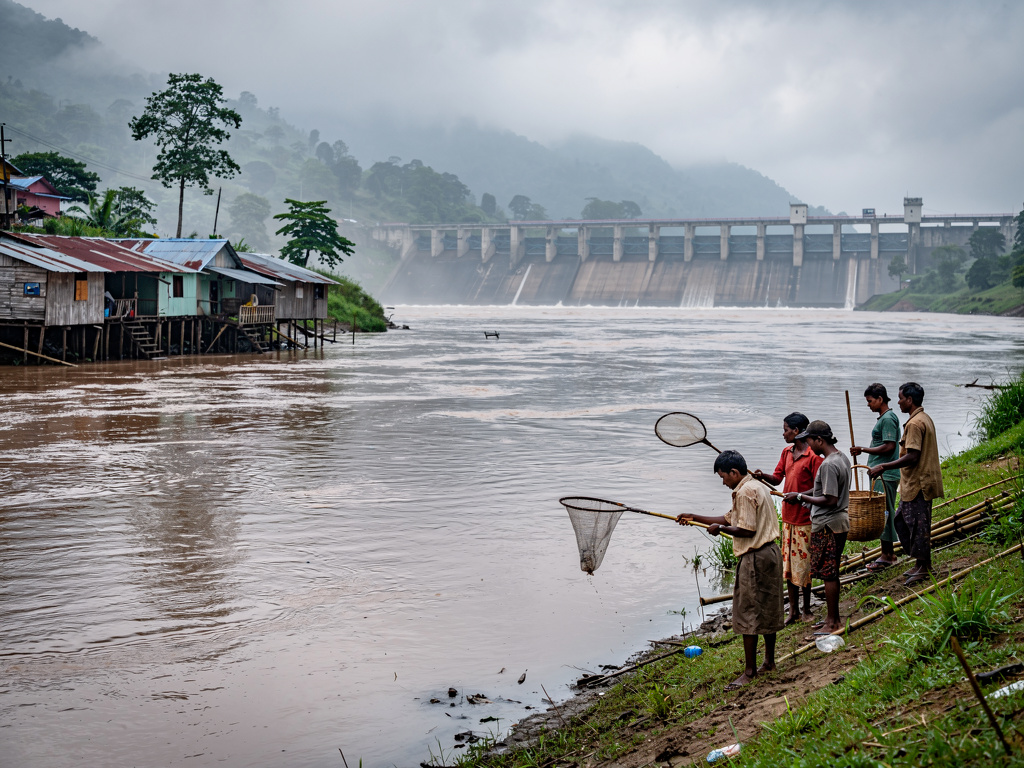
Even with these benefits, the authors report a growing sense of inequity among communities in Assam’s Dhemaji and Lakhimpur districts. The study records fears of sudden releases of water, repeated flooding and riverbank erosion. Fishermen interviewed by the researchers described shrinking catches and changes in the river’s ecology. In parts of Lakhimpur, some residents reportedly use the name “Mora Subansiri,” reflecting concerns about reduced river flows.
The study also criticises the way official impact boundaries were drawn. It says the environmental impact assessment covered only a limited downstream stretch of about seven kilometres. As a result, some communities affected by floods and erosion were reportedly left out of the defined impact zone, and the paper says these groups were not adequately consulted or compensated.
Proposed reforms for future projects
Using field surveys across 27 villages, the authors interviewed 100 households and held 16 focus group discussions with villagers, officials, workers and community representatives. They describe a trust gap between authorities and local residents, including concerns that flood alerts may arrive too late or may not be shared in ways that help people prepare. Rather than opposing hydropower outright, the paper recommends changes such as expanding downstream environmental assessments, improving equitable benefit-sharing, strengthening compensation and grievance systems, and setting river flow rules that better protect fisheries and ecosystems. It also calls for independent monitoring and for affected communities to be treated as equal partners in decisions that shape their future.