Proposed FCRA changes spark Northeast protests over risk to church-run schools and hospitals
Opposition to the Foreign Contribution (Regulation) Amendment Bill, 2026, is growing in Nagaland, Mizoram and Meghalaya, with critics saying a new clause could让
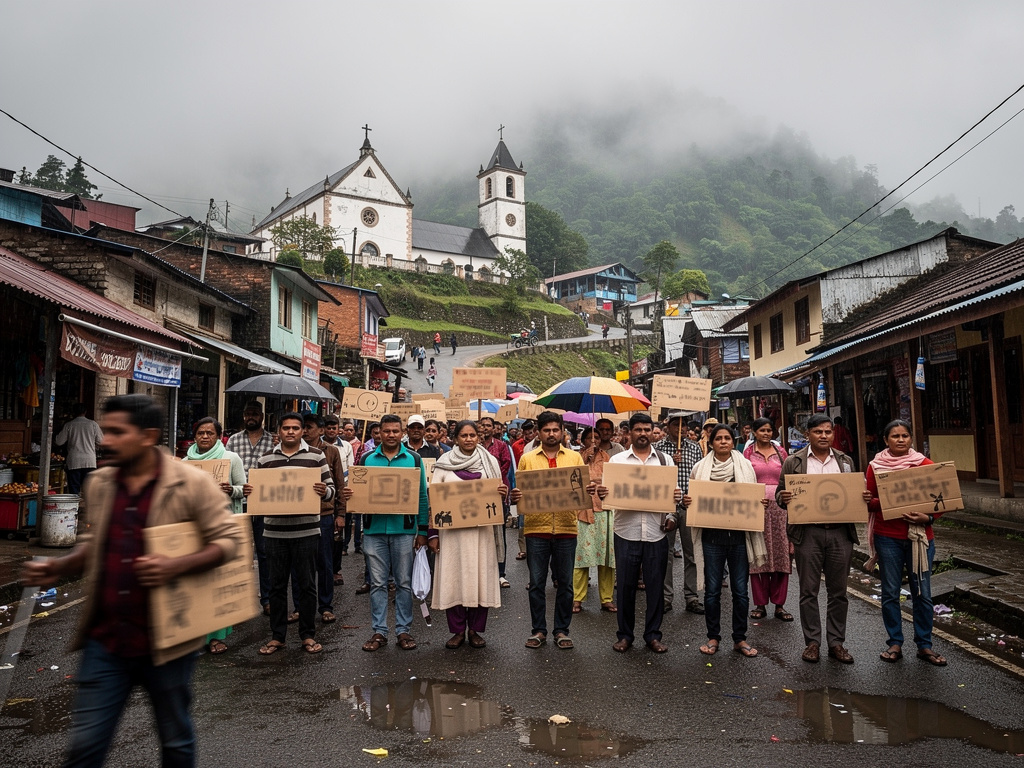
For the past few months, several Northeast states have seen protests against the Foreign Contribution (Regulation) Amendment Bill, 2026. Demonstrations in Nagaland, Mizoram and Meghalaya have brought together political parties, church coalitions and civil society groups. The bill seeks to tighten how foreign funds are regulated for NGOs and faith-based institutions across India.
New clause raises fears of asset takeover
The main point of contention is a proposed addition under the Foreign Contribution (Regulation) Act, 2010. The draft includes a clause that creates a “Designated Authority” with civil court powers. Critics say this authority could take over, supervise, manage, and even sell or transfer assets connected to an organisation if its FCRA registration is cancelled, not renewed, or surrendered.
The debate has intensified after data cited by legislators show a sharp fall in active FCRA registrations. According to PRS Legislative Research data referenced in the reporting, active FCRA certificates across India dropped from over 50,000 to 14,449 as of July 2026. The same material lists many cancellations and expired registrations.
Church institutions point to property built with foreign funds
Opposition groups in the region argue that combining strict cancellation rules with executive powers creates a risk for long-running community institutions. Under the proposed clause, they say physical assets built or maintained using foreign contributions—even if only a part—could be placed under provisional control when an organisation loses its FCRA status.
In Meghalaya, political leaders speaking at rallies highlighted how church-run welfare facilities could be affected if permits lapse. Names mentioned include St. Anthony’s, St. Edmund’s, Loreto, and hospitals such as Nazareth Hospital and Roberts Hospital. In one example given during the protest, leaders argued that even foreign funding that is only a small share of a larger construction cost could still trigger broader attachment of the property.
In Mizoram, protests and a “Black Day” on July 21, 2026 were organised by party workers and church groups. They alleged that the legislative push reflects anti-conversion rhetoric and would restrict Christian institutions. Supporters of the central government’s position say the amendments are meant to improve transparency in foreign receipts and address concerns like money laundering and national security.