Survey in Arunachal flags fear, discrimination and low trust in protections among LGBTQIA+ residents
A survey based on anonymous online responses from Arunachal Pradesh reports recurring harassment, identity concealment and workplace and education-related bias,
A new LGBTQIA+ lived experience survey has highlighted safety and access gaps for LGBTQIA+ people in Arunachal Pradesh. The report is by the HimKai Research Initiative, an independent research group based in the state. It documents how many respondents described harassment, discrimination and distress in daily life.
Online survey documents harassment and identity concealment
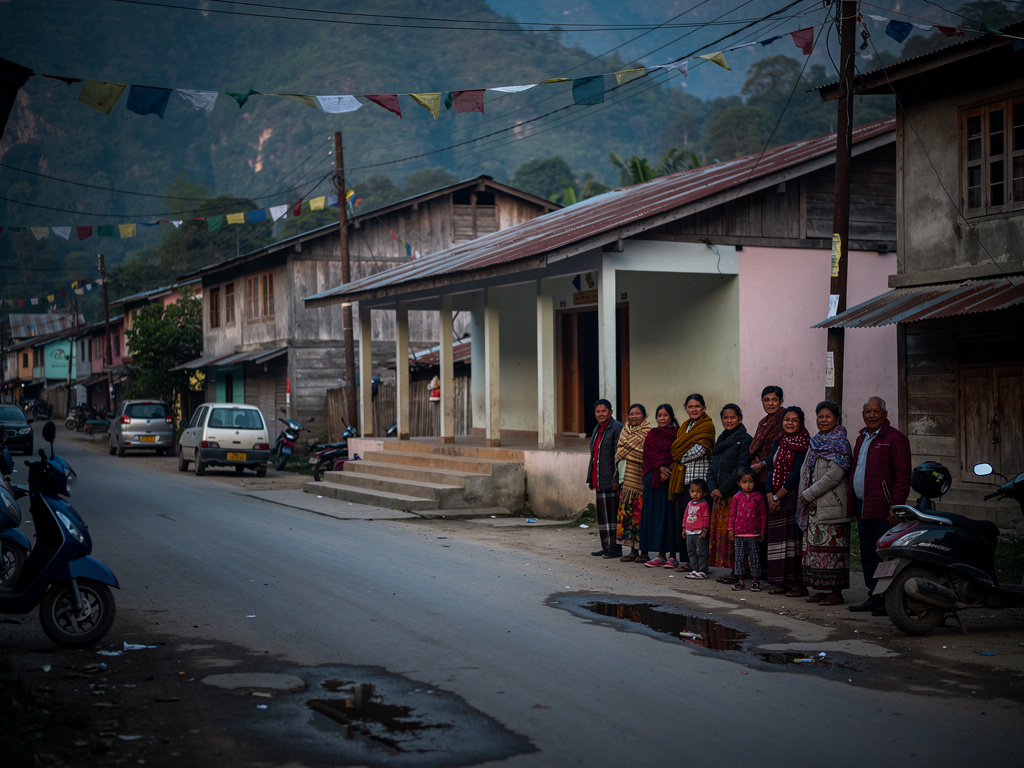
The study, titled “LGBTQIA+ Lived Experience, Safety & Access in Arunachal Pradesh (2026)”, draws on an anonymous online survey. Responses were collected between June 2 and August 2. Out of 62 submissions, 61 were included after checks for geographic eligibility and data quality. One response was excluded because the person’s self-reported home district could not be mapped to Arunachal Pradesh.
Because the survey was voluntary and self-selected, the researchers said it should not be treated as a statewide prevalence estimate. Still, the responses point to patterns across settings. About 49.2% of valid respondents said they hid their gender identity or sexual orientation most of the time or always, citing fear of discrimination or violence. Half of the respondents said they rarely or never felt accepted in their families.
Education, work and community safety concerns
Many respondents also reported low feelings of safety outside the home. 44.3% said they rarely or never felt safe in their local communities. The survey recorded harassment and threat-related experiences in multiple places. 91.8% reported verbal harassment at least rarely, while 52.5% reported physical threats or violence at least rarely.
The report also notes discrimination tied to education and employment. About 85% said they faced discrimination in school or college. For work, 63.2% reported workplace discrimination. It also found that 72.9% of respondents felt compelled to change their behaviour or appearance sometimes or more often to stay in education or retain work. Another 57.9% said their identity affected access to employment or income opportunities at least rarely.
Mental wellbeing emerged as a key issue. The survey found that 76.7% experienced stress, anxiety or emotional distress related to discrimination at least sometimes, including 48.3% who reported such distress most of the time or always. Access to mental-health or peer support was also described as uneven, with 41% saying support was available most of the time or always, and 36.1% saying it was available rarely or never. The report calls for sustained sensitisation, better reporting mechanisms and more inclusive public systems.