Rare Assam flowering plant Rungia mastersii rediscovered after 180 years
A rare endemic flowering plant, Rungia mastersii, missing from records for nearly 180 years, has been found again in Assam’s Jatinga Hills by researchers from a
A rare endemic flowering plant has been rediscovered in Assam after nearly 180 years, giving botanists new material to study and protect a species long thought to be lost. The plant, Rungia mastersii, was previously known from a single specimen collected in 1845 by British botanist J.W. Masters. After that, it did not appear in scientific records again.
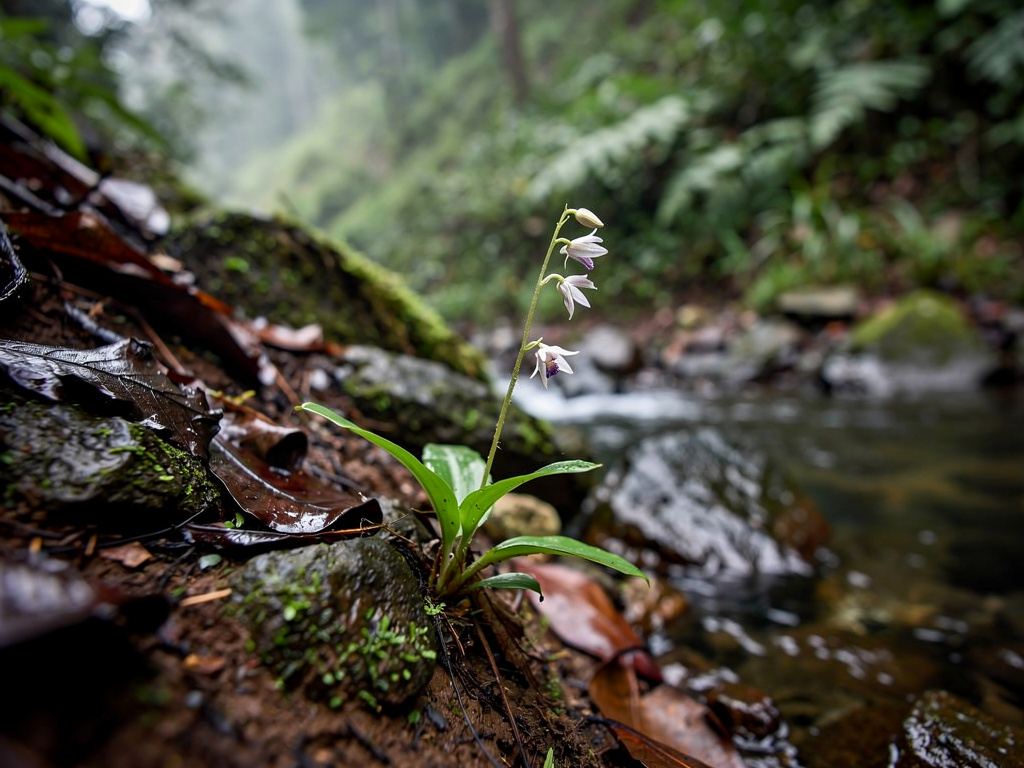
The rediscovery was made by researchers from Assam University during field surveys in the Jatinga Hills in the Dima Hasao district. They located a small population growing on moist, shaded rocky slopes beside a stream. The plants were recorded at elevations ranging from 900 to 1,250 metres.
First confirmed locality for the species
Until this find, scientists had only one preserved herbarium sheet and did not have a confirmed location for the original collection. The Jatinga Hills sighting became the first confirmed locality for Rungia mastersii. Researchers reported only one population with an estimated count of about 40 plants, suggesting the species is extremely rare.
Study details habitat, flowering and features
The work was published in the international journal Feddes Repertorium. It documents the plant’s habitat, flowering pattern, and identifying characteristics for the first time since the original discovery. The study also places the find within the broader context of the Rungia genus, which includes species accepted worldwide and is found across parts of tropical Africa and Asia.
In Assam, four Rungia species are known. For Rungia mastersii, the limited information is a major challenge for conservation. Because the species is currently known from a single surviving population, it has not yet been assessed under the IUCN Red List. The researchers called for further field surveys to find out whether other populations exist in Assam’s forests and to better understand how the species can be safeguarded. The rediscovery highlights how Northeast India’s habitats may still hold plant species that have remained out of sight for generations.