Assam floods worsen in Upper Assam; death toll climbs to 31, relief camps expand
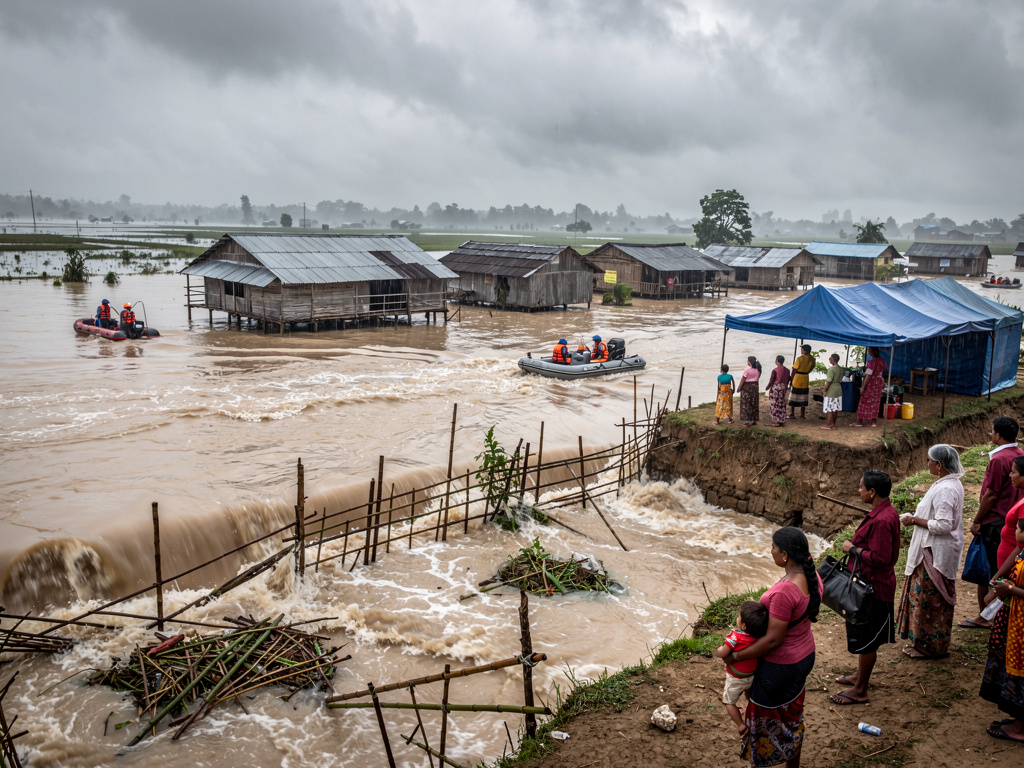
Flood conditions in Upper Assam have worsened with 31 reported deaths, over 7 lakh people affected, and large-scale displacement to relief camps.
Flood conditions in Upper Assam have turned critical, with reports saying at least 31 people have died and more than 7 lakh residents have been affected. The situation is being described as severe across multiple districts as water levels continue to inundate areas.
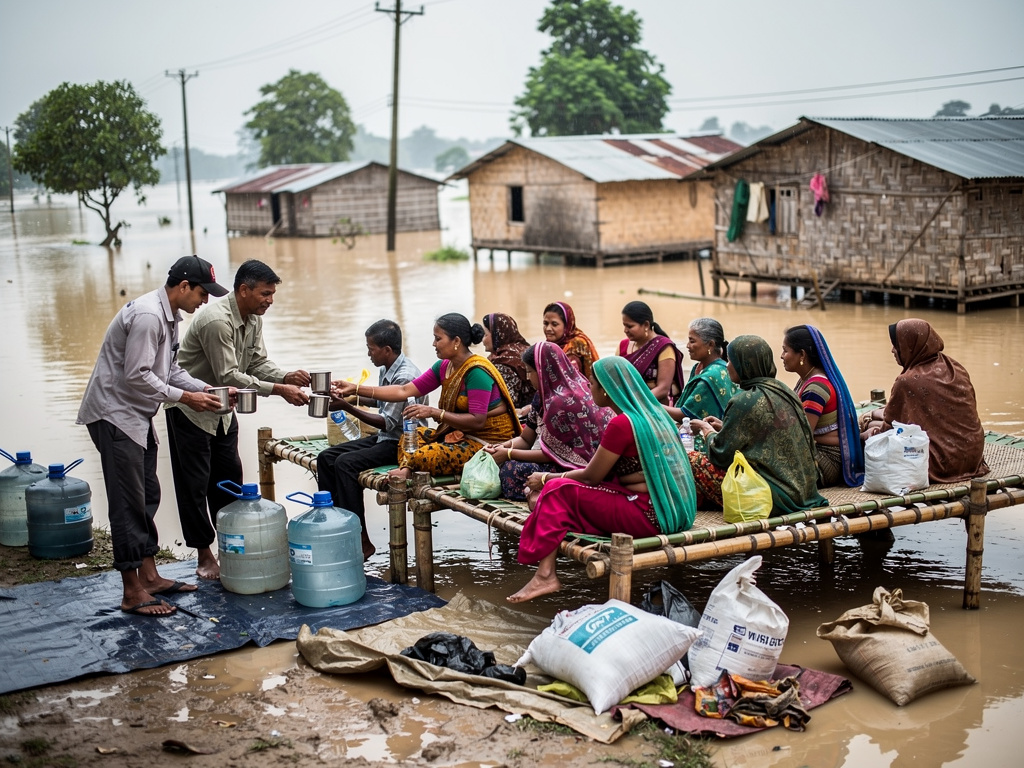
Officials report that around 18,000 people have been shifted to relief camps so far. They also noted that about 100 people are missing. In response, the administration has set up 95 active relief camps across the state to shelter displaced families.
Deadliest impact in Sivasagar, other districts also hit
The highest number of flood-related deaths has been reported from Sivasagar district, where 14 people have died. Other affected districts include Charaideo (6 deaths), Jorhat (5), Dhemaji (2), Golaghat (2), Sonitpur (1), and Karbi Anglong (1). Reports also indicate that the crisis has affected a wide area beyond just town centres, including rural pockets.
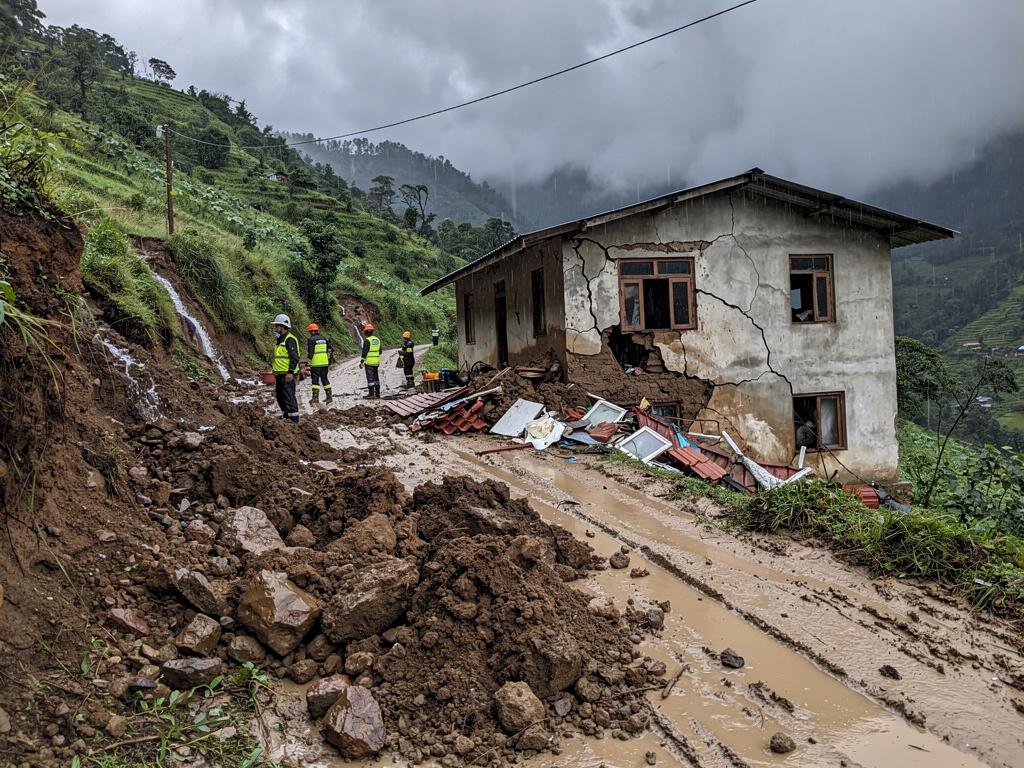
According to official data, 74 revenue circles have been affected and around 1,700 villages have been inundated. Residential damage has also been reported at scale, with 401 houses completely destroyed and another 1,848 partially damaged. Many families are dealing with the loss of homes and disruption to daily life.
Relief distribution, livestock losses and Chief Minister’s review
Beyond camp arrangements, authorities have created 469 relief distribution centres to supply essential items such as food and clean drinking water to people stranded outside shelter centres. The floods have also caused losses among livestock in rural areas, with 185 animals reported dead or washed away, including 119 large animals, 31 small animals and 35 poultry birds.
Assam Chief Minister Himanta Biswa Sarma visited flood-affected districts including Charaideo, Sivasagar and Jorhat to assess damage and review relief and rehabilitation plans. During the visits, he interacted with displaced families at relief camps and said support will be provided for medical needs, document replacement, and continued relief measures. He also reviewed camp arrangements and said medical teams and essential services have been deployed.