Study highlights layered risks for women journalists across Northeast India
A peer-reviewed study based on interviews with 16 women journalists describes how gender, regional identity, and digital harassment combine to create specific,多
A peer-reviewed study on women journalists across Northeast India finds that reporting from the region can involve a mix of offline threats, online harassment, and workplace discrimination. The research interviewed 16 women journalists, two from each Northeastern state, covering careers that ranged from a little over two years to nearly four decades.
The authors, Sayan Dey and Aloy Deb Barma of Mizoram University, said the study looked closely at a question that is often missed in academic work: what press freedom looks like for women reporters from a region that is both geopolitically sensitive and widely otherised. They also describe how risks are not separate problems. In their findings, gender, ethnicity, and regional identity can intensify each other.
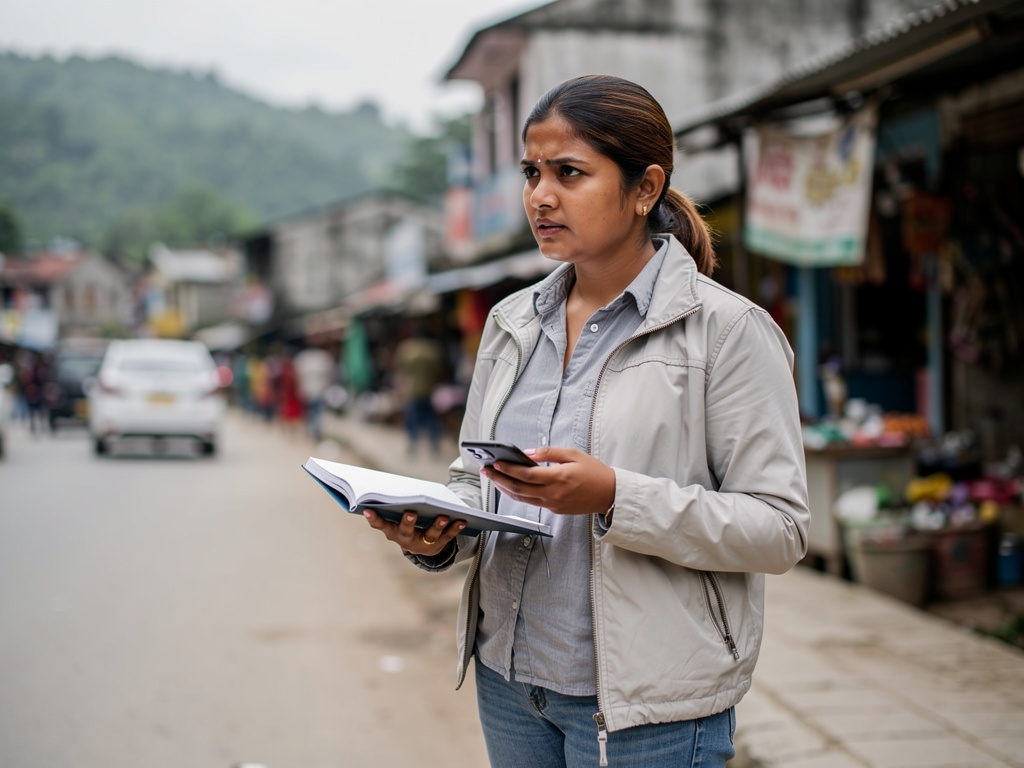
Offline warnings can turn into coordinated online abuse
Nine of the 16 journalists described a pattern where an offline threat is followed quickly by online harassment. The study terms this “platformed risk spillover.” In one example shared by a journalist, after she broke a corruption story, she received offline “advisory cautions.” Within days, the harassment shifted online, including abuse focused on her photos. The severity was such that she stopped filing stories under her own byline for a period.
Another journalist described being followed and filmed by a cab driver, and said the behaviour was something he might not have shown towards a man. The study argues that intimidation in public spaces and abuse on social media are increasingly linked, instead of happening as isolated events.
National dismissal and local expectations create a double bind
The research also highlights “double addressability,” where journalists are pulled between two opposing expectations. National media, the study says, often dismiss Northeast coverage as not “national enough,” even when reporters cover events across the same states repeatedly. At the same time, local communities can expect journalists to speak as ethnic representatives during tense moments, such as interstate border disputes. This leaves women reporters positioned as too peripheral for national coverage and also too involved to be treated as neutral observers locally.
The study further describes what it calls the protective patriarchy paradox. It says women are sometimes kept away from conflict, political, or investigative assignments “for their own safety,” but they may receive little institutional support when they face danger. It also notes everyday discrimination in newsroom work, where women are more often assigned lifestyle and other “soft” stories, while hard news and conflict beats are typically given to men. In one case mentioned, an editor expressed concern about hiring a journalist because she was newly married and might soon take maternity leave.