Buying a Used Vehicle With a Bank Loan in India: Checks Every Buyer Should Make
A used car or bike can be bought even if a loan is still active, but buyers must verify hypothecation on the RC, check challans and documents, and ensure loan-}
In India, many used cars and two-wheelers sold in the market are still under an active bank or NBFC loan. The transaction can be legal, but the vehicle’s ownership process depends on one key detail: hypothecation. This means the financing lender holds a legal charge on the vehicle until the loan is fully closed.
Before paying any money to the seller, buyers are advised to confirm that the RC and related records reflect the current loan status. If the loan and hypothecation are not cleared, the buyer may face problems registering the vehicle under their own name.
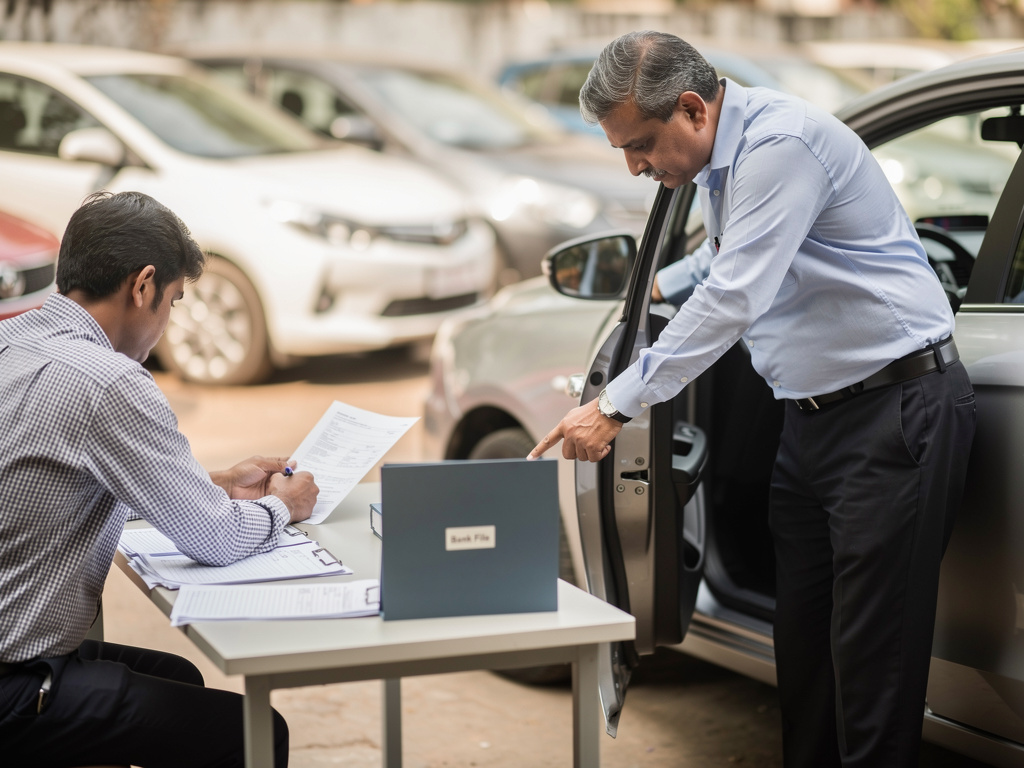
Verify hypothecation and vehicle identifiers
The first step is to check the vehicle registration status using the VAHAN portal (vahan.parivahan.gov.in) or the mParivahan app. These platforms can show whether the RC has a hypothecation entry and the name of the financing institution. Buyers should also match the chassis and engine numbers shown in the records with the physical vehicle.
Buyers should then check pending traffic challans through the eChallan portal. At the same time, they should confirm that insurance, road tax, and pollution-related documents are current and valid. These document checks help ensure the vehicle is in a workable condition for transfer and future use.
Loan closure paperwork should be part of the deal
It is also important to verify the loan itself. Buyers should ask the seller for a foreclosure letter issued by the bank. The letter should clearly state the outstanding amount and its validity. Relying only on the seller’s verbal claim about the remaining loan balance can create major risk, especially if the RC still shows the lender’s charge.
To reduce problems, the payment structure should support loan closure. The guidance in the source is to split the sale amount so that the outstanding loan amount is paid directly into the seller’s loan account, while only the balance is paid to the seller. Ideally, this is done at the bank branch with both parties present. After the loan is closed, the bank issues documents such as a loan closure letter and a No Objection Certificate, typically within seven to fifteen working days. These papers are needed to remove the bank’s name from the RC, along with Form 35.
Once hypothecation is removed, ownership transfer moves to the Regional Transport Office. The process uses Forms 29 and 30, along with the RC, valid insurance, pollution certificate, and address proof. Bank NOCs are often valid for about ninety days, so buyers are advised to coordinate the RTO steps without long delays.