Study maps 87 flower species that the giant honey bee uses in Arunachal
A new study from Arunachal Pradesh identifies 87 plant species that provide nectar and pollen to the giant honey bee Apis laboriosa, using honey pollen analysis
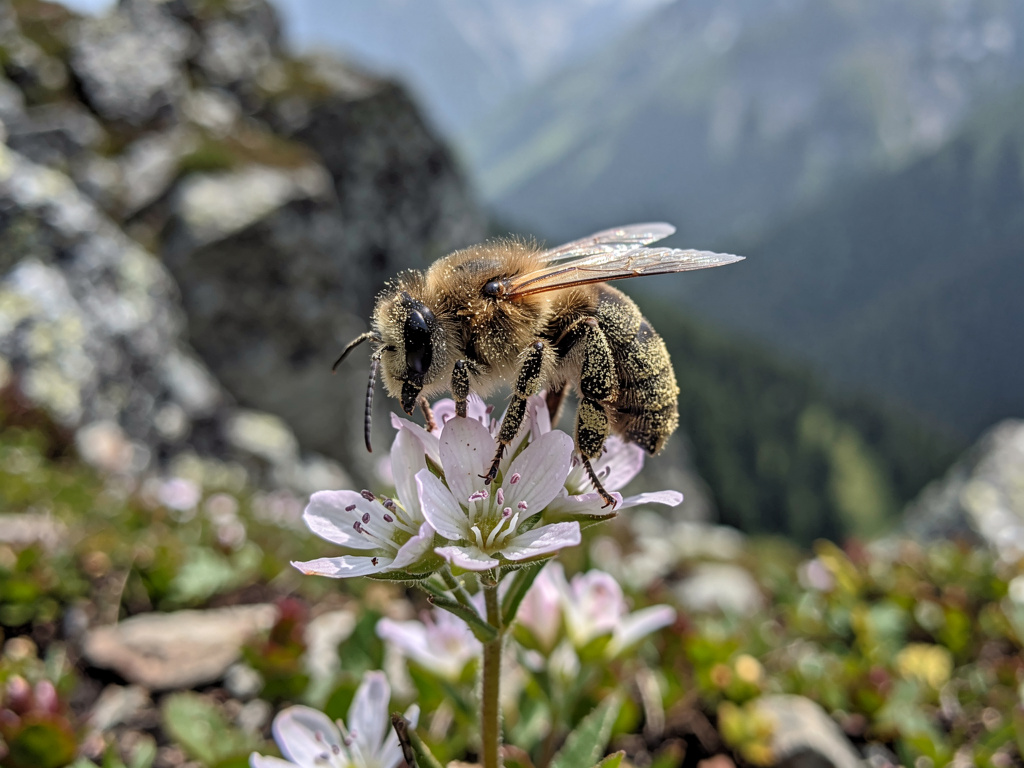
A new scientific study from Arunachal Pradesh has identified the flowers used by the world’s largest honey bee, Apis laboriosa. The bee is known for producing Himalayan “mad honey”, but scientists say little detailed information was available on which plants it feeds on in the wild.
The researchers documented 87 plant species that provide nectar and pollen to the giant bee. These plants come from 58 families, including many nectar-producing species. The work was built from analysing honey samples and also from field observations around nesting sites.
Honey analysis helped rebuild the bee’s floral diet
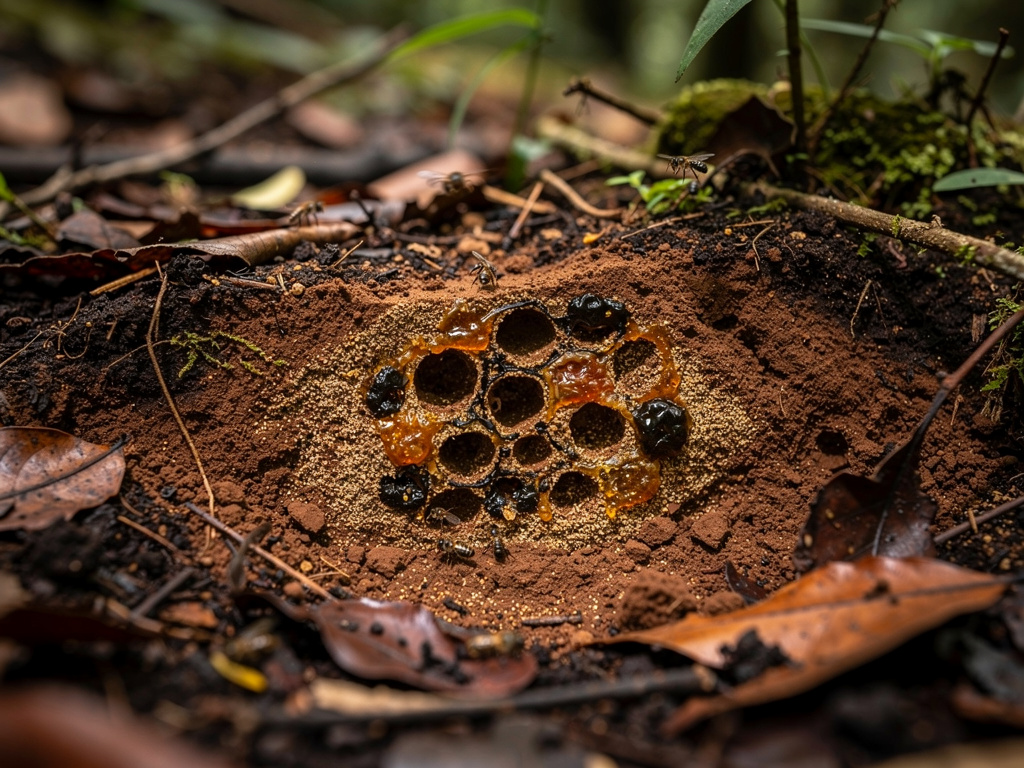
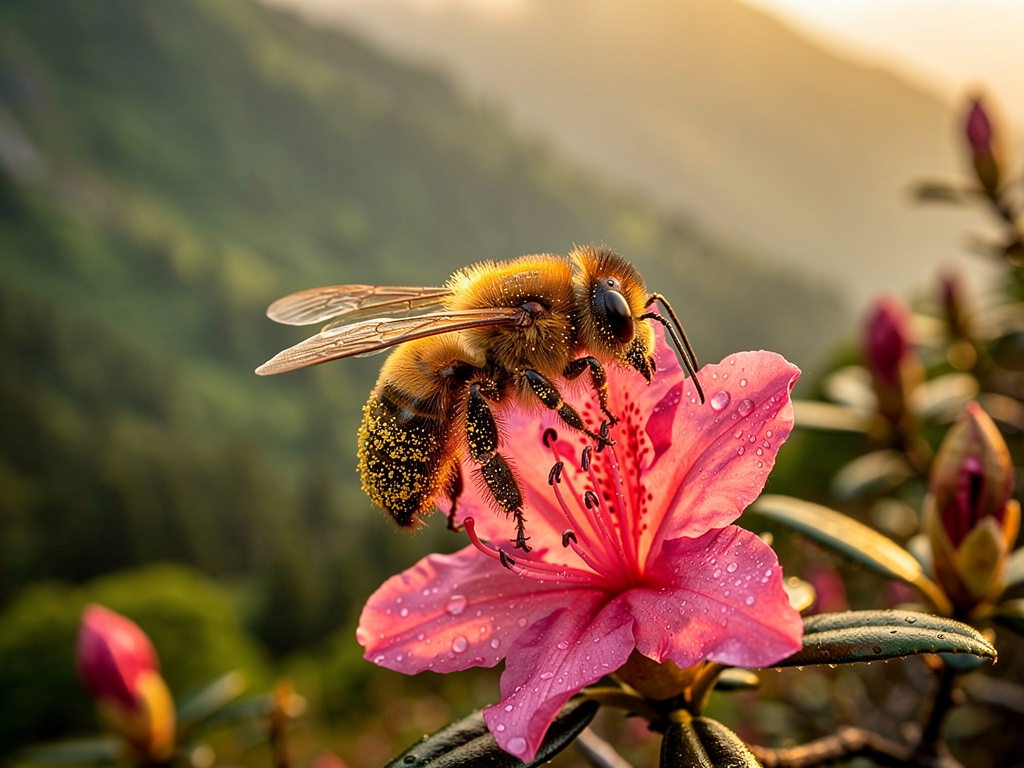
The study used a method called melissopalynology, which looks at microscopic pollen grains found in honey. By matching the pollen in honey to plant sources, the team reconstructed a “floral menu” for the bee. They combined this with nearly three years of observations near where the bees were nesting in remote areas of West Kameng, Dibang Valley, and Anjaw districts.
The findings show that the bee feeds across a wide range of flowering plants and behaves as an opportunistic forager. The researchers also reported links between the bee and Rhododendron and other members of the Ericaceae family, a group that includes plants with naturally occurring compounds linked to the effects associated with “mad honey”. The study is described as the first from India to report abundant pollen from these plants in natural Apis laboriosa honey.
Forage season and links to fruit trees
The research notes that the main honey flow period runs from February to September, when flowering is plentiful in the mountains. During October to January, flowering declines, so colonies rely more on honey stored from earlier months. While most honey samples were multifloral, one sample was found to be unifloral, dominated by a single flowering species—an approach that can matter for understanding botanical origin.
The team also identified forage plants beyond honey production. Fruit-bearing species such as peach and pear, along with multiple wild flowering plants, were among the documented food sources. Mapping these floral resources, the authors say, can support conservation of Himalayan pollinators and guide how areas may be prioritized for protection.