Meghalaya asks for written complaints before any health inquiry into Byrnihat pollution
Meghalaya Health Minister Wailadmiki Shylla said the government will not start an inquiry based only on social media posts. The state is asking for formal, in‑w
Meghalaya Health and Family Welfare Minister Wailadmiki Shylla said the state government will require written complaints before beginning any health-related inquiry linked to air pollution in Byrnihat.
His remarks came after reports and claims circulated on social media that air pollution in Byrnihat has contributed to rising respiratory illnesses. Shylla told reporters that the government cannot treat every online post as a basis for action, and that decisions must follow established procedures.
Why officials want formal representations
Shylla said social media information can be shared by anyone and the government has to verify claims through due process. He also pointed out that government actions can have direct effects on livelihoods in the area, so authorities need time to check what is being alleged.
He referenced the National Green Tribunal’s order in 2014 that banned coal mining, saying it affected many livelihoods. The minister said the state will examine concerns coming from different sources but expects them in the form of formal representations from local residents or concerned groups.
Pollution monitoring and industrial enforcement
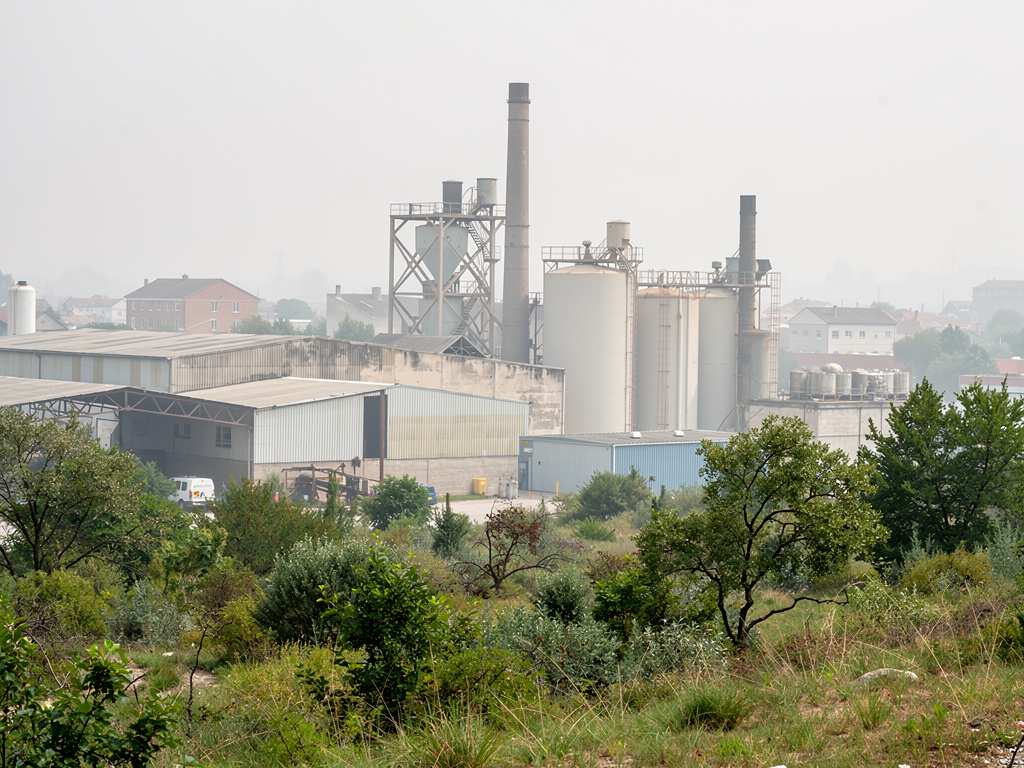
Shylla said Byrnihat has previously been identified among the most polluted locations. He noted that Meghalaya has also taken enforcement steps against industrial units that did not meet pollution-control requirements, including closures of some establishments.
Regarding whether a health audit of residents will be carried out, Shylla said the Meghalaya State Pollution Control Board already monitors industrial units using technological systems. He added that the board follows an assessment process before issuing Consent to Operate (CTO) and issues directions when irregularities are found.
He said the government will verify available data and complete the necessary procedures before acting. According to the minister, the state also compares its approach with practices followed in other places, where action is taken after reviewing official air quality information.