Academics spar over call to end India’s reservation policy, citing caste inequity and implementation gaps
Academics say reservation remains important for social justice, while others argue the policy must be reviewed and implemented better as seats often go vacant.
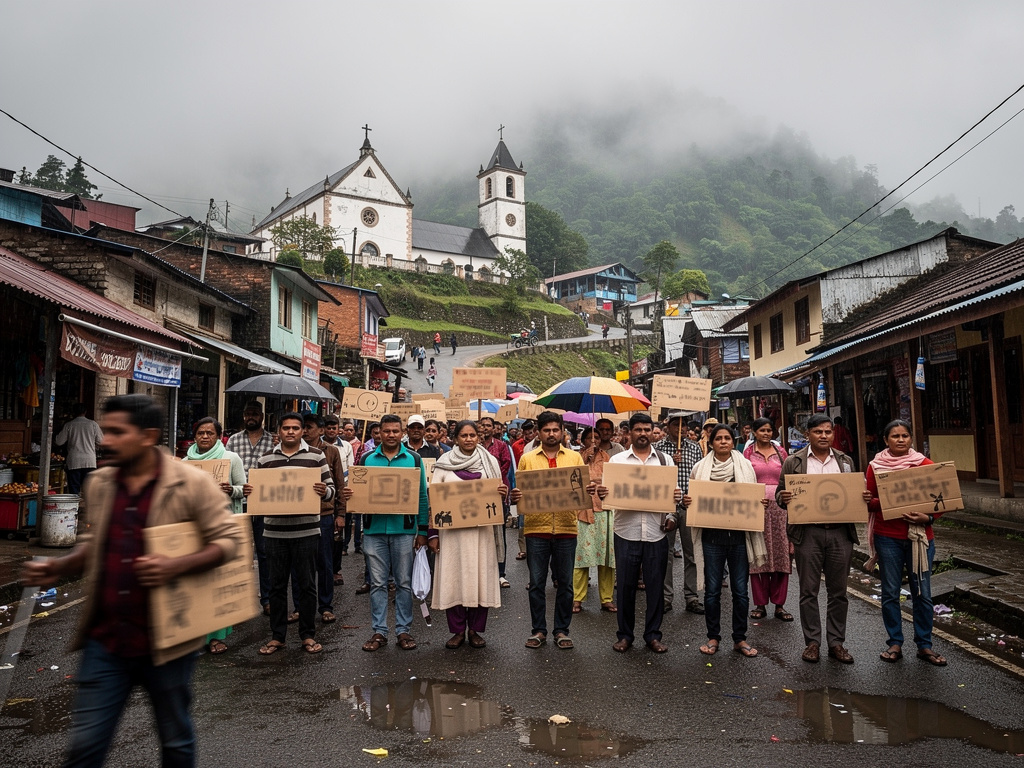
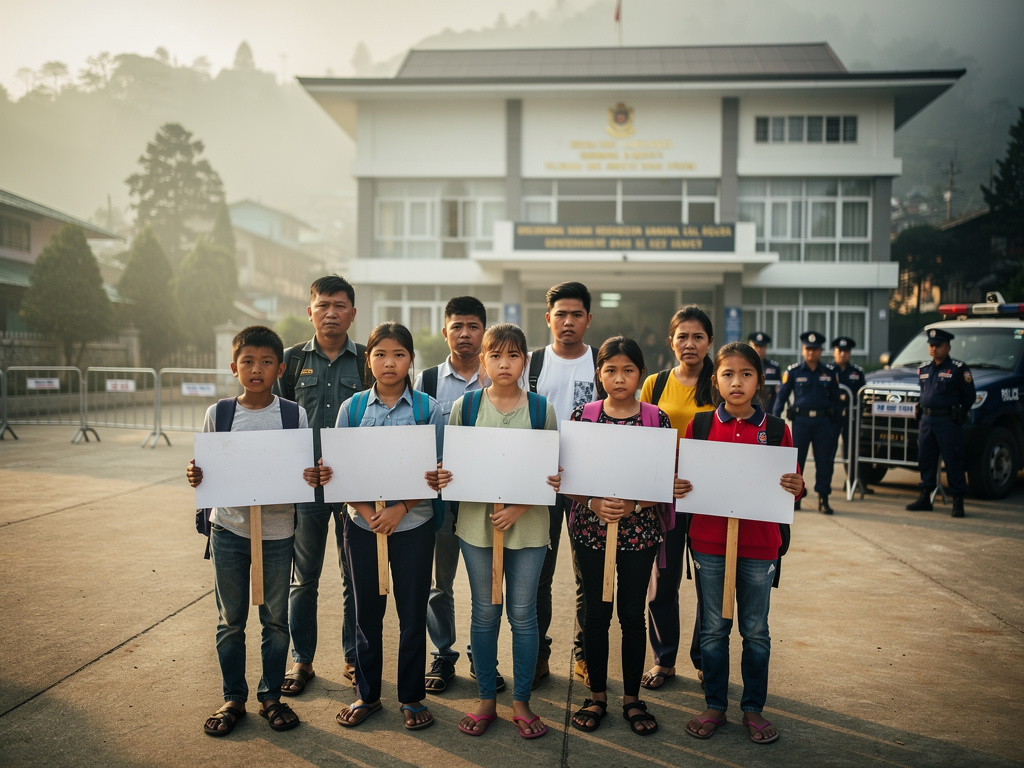
A fresh online debate has gathered attention after a section of youth raised a demand to end reservation in India. The discussion has been amplified through social media, including an Instagram page called Reservation Hatao Movement, where supporters post arguments that the country’s education and opportunities should not be shaped by reserved quotas.
Reservation is an affirmative action policy created to provide seats and quotas for groups considered historically disadvantaged. Under constitutional provisions, the Union and states can allocate reserved places in areas such as higher education admissions and recruitment to public posts. The policy covers categories including Scheduled Castes, Scheduled Tribes, Other Backward Classes, and Economically Weaker Sections.

Why some academics say reservation is still needed
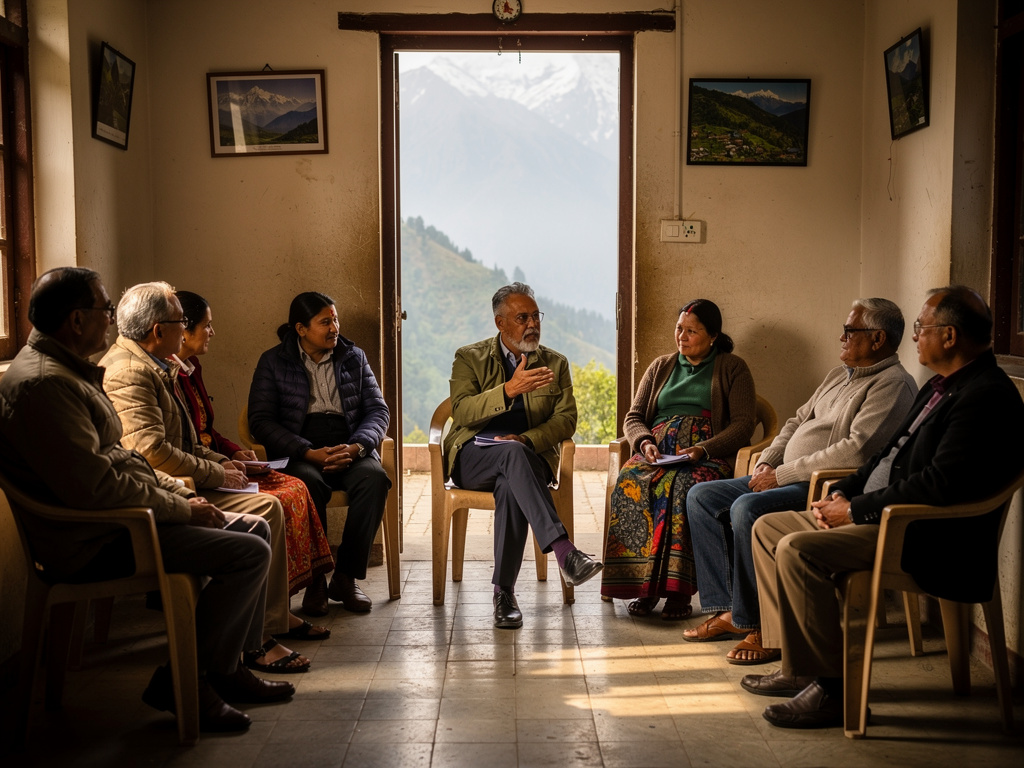
Academicians defending the policy say reservation is more than a welfare measure. Joseph Riamei, an assistant professor at the School of Social Work at the Tata Institute of Social Sciences, argued that caste and tribe-based reservation helps address entrenched social hierarchies and supports representation for communities that have faced long exclusion. He also said reservation is important for Indigenous tribes to guard against structural “erasure” and to ensure that development does not come at the cost of historically marginalised groups.
Calls for reassessment and better use of reserved seats
Other voices in the debate say reservation should not continue without checks. Some supporters of ending or changing the policy point out that it was framed as a temporary measure meant to tackle past discrimination, and they argue for periodic review through a national mechanism.
At the same time, an IIT professor speaking without being named said the current backlash ignores implementation problems. He argued that there is limited discussion of whether reserved quotas are actually filled, and he cited the persistence of vacant seats, especially in higher-level positions. He said it is difficult to imagine removing affirmative action while representation remains weak and called for sector-wide data across roles such as teaching, journalism, and the judiciary.
The concerns are echoed by references in recent commentary. A 2024 report cited in the discussion described an “unfilled seats” pattern, alongside internal debates like the creamy layer idea that deals with how benefits are distributed within reserved categories. Research referenced in the article also suggests that reservation outcomes may not be evenly spread and that skill-role matching and institutional performance can be affected where policy design and implementation do not align.