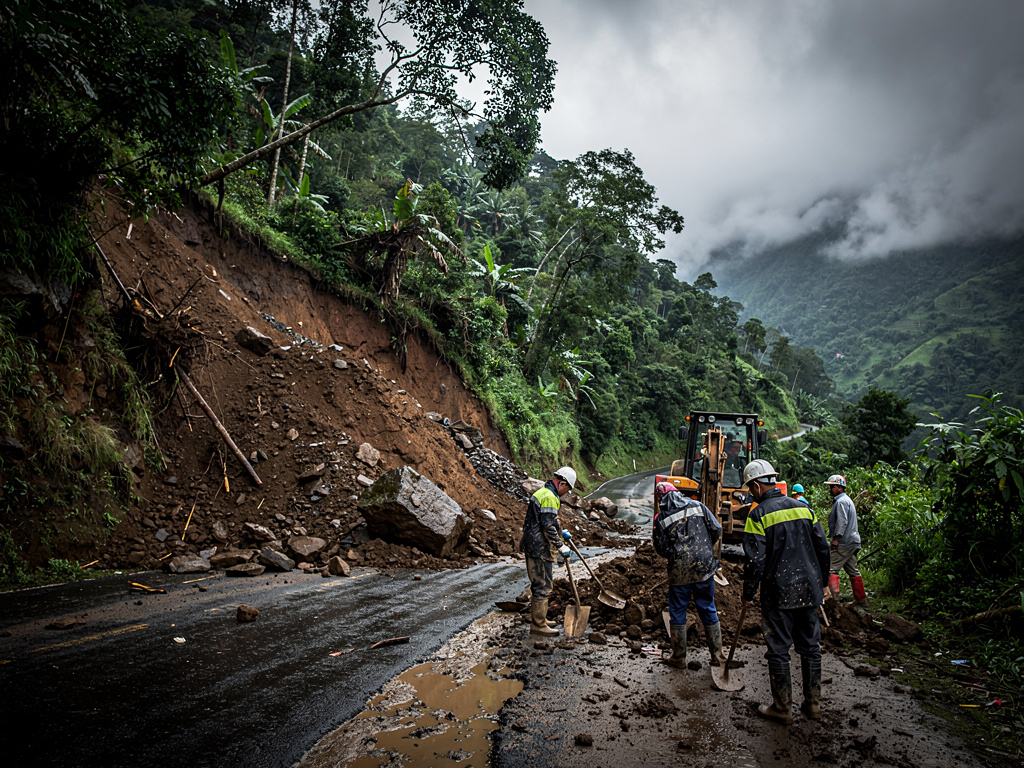
Blind, blood-red eel found in a well in Assam’s Goalpara adds to underground fish research
Scientists report the discovery of Rakthamichthys anchi, a blind, blood-red subterranean eel found in a Goalpara well, based on limited specimens and genetic, 3
A village well in Assam’s Goalpara district has produced a rare discovery: a blind, blood-red eel that is believed to have spent its life hidden underground. Researchers say the fish was found in groundwater trapped beneath the surface, where light is absent and conditions are often low in oxygen.
New eel species described from underground habitat
The eel has been identified as Rakthamichthys anchi. The species was described in a peer-reviewed study, and it is reported as the first subterranean swamp eel from its genus to be recorded in Northeast India. Scientists say this also extends the known range of related eels beyond the Western Ghats.
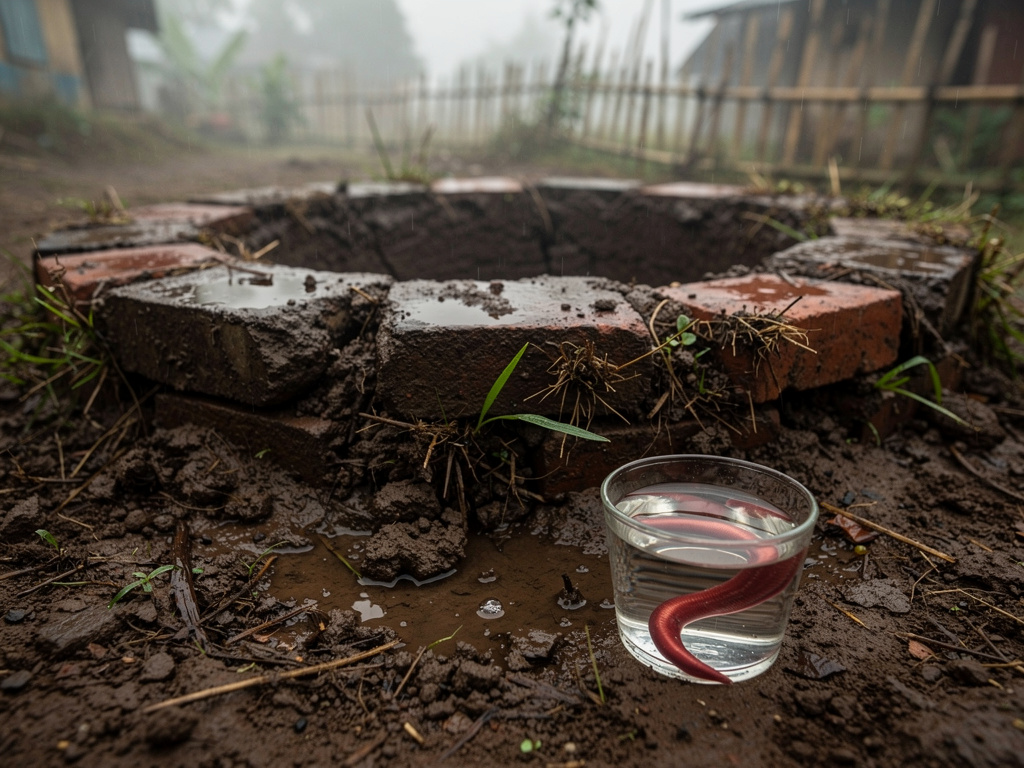
Work in Goalpara relied on a small number of samples. The team collected four specimens from two dug-out wells, each about seven metres deep. They did not share the exact discovery location, describing concerns that the species could face pressure if it became widely known.
Researchers note that the eel shows features linked to life in darkness. It has no externally visible eyes and very little body pigment. Its blood-red look is attributed to blood vessels visible through its translucent skin, which is reflected in the species name. The fish also lacks fins commonly seen in other fishes, a body plan described as helpful for moving through narrow spaces underground.
How scientists studied it
To examine the skeleton without damaging rare specimens, the team used micro-computed tomography to build detailed three-dimensional images. They also performed DNA analysis, which they say confirmed the eel is genetically distinct from known members of the genus.
Scientists add that, like other swamp eels, it can breathe air, which can help it survive in oxygen-poor groundwater. The study also highlights that the same locality in Goalpara has been tied to another underground fish discovery, suggesting that aquifers in the region may host more hidden life than previously documented. One co-author said the finding underlines the need for public awareness and careful water use, warning that heavy extraction can add stress to underground ecosystems.