DST Sikkim completes multidisciplinary field survey of high-risk glacial lakes in North Sikkim
A multidisciplinary team from Sikkim and partner institutions completed a field expedition to collect bathymetric, geological, geophysical and hydrological data
The Department of Science and Technology (DST), Government of Sikkim, has completed a multidisciplinary field expedition titled “Hazard Assessment and Scientific Investigation of High-Risk Glacial Lakes in Mangan District, Sikkim”. The programme ran from July 23 to August 8, according to a DST press release.
The expedition focused on selected glacial lakes in the upper reaches of the Mangan District in North Sikkim. The stated aim was to build baseline scientific information that can support hazard and risk assessment for Glacial Lake Outburst Flood (GLOF). The work also targets monitoring and future mitigation planning.
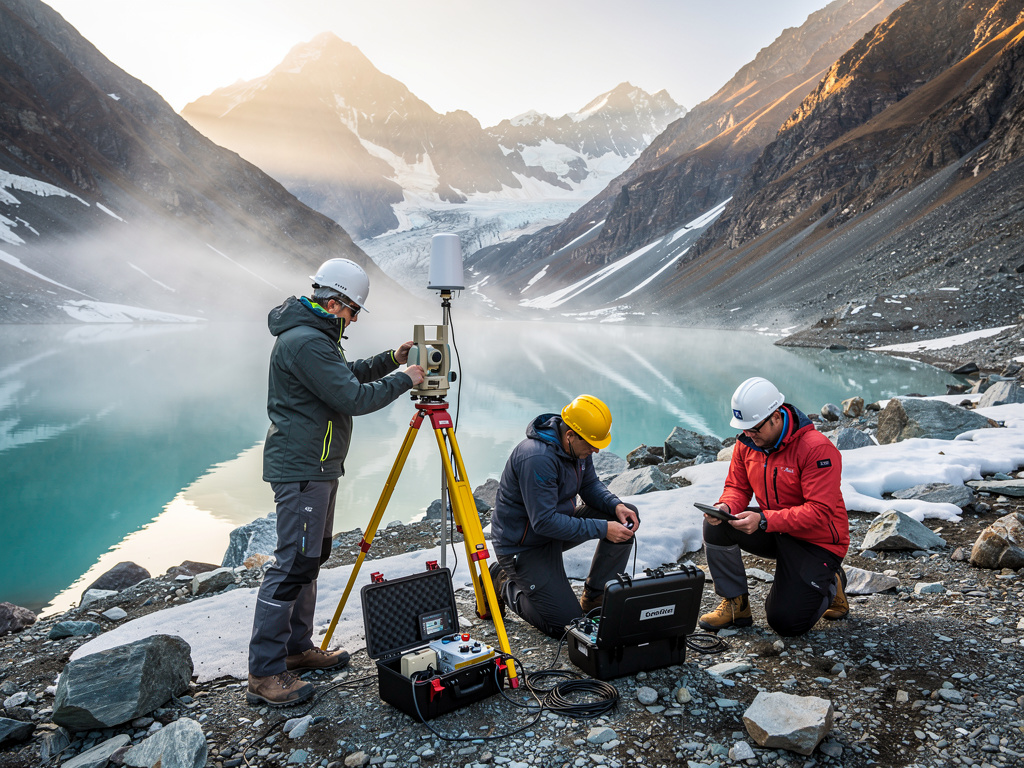
Data collection for lake and terrain assessment
As part of the field survey, the team planned to collect multiple types of data from vulnerable lake systems. This includes bathymetric, geological, geophysical, hydrological and geomorphological information, along with meteorological inputs. The DST said these datasets will help in understanding lake characteristics and the surrounding terrain.
During the expedition, researchers used advanced scientific methods and on-site observations. The release mentions Electrical Resistivity Tomography (ERT), bathymetric surveys, DGPS surveys, and hydrological measurements. The team also carried out geomorphological investigations and deployed a meteorological monitoring station at Kerang and Goma Chhu.
Team includes disaster and science agencies
The multidisciplinary group included scientists and technical personnel from DST, the Sikkim State Disaster Management Authority (SSDMA), the Department of Mines and Geology (DMG), Sikkim University, the Sikkim Commission on Glacial Hazards, C-DAC Trivandrum, Central Water Commission (CWC) Gangtok, Brahmaputra Board Guwahati, and Campbell Scientific New Delhi. The press release also said the expedition received field support from the Indian Army and Indo-Tibetan Border Police, which helped complete the programme.
DST said the generated scientific information will support systematic monitoring and future hazard assessments of vulnerable glacial lakes in North Sikkim. The findings are expected to support lake-specific GLOF hazard mitigation plans, including hydrodynamic modelling, identification of potential GLOF hazards, and improved preparedness and risk-informed planning.