British Museum programme picks Meghalaya freshwater fishing and Nagaland Konyak brass craft for documentation
The British Museum has selected two Northeast India projects under its Endangered Material Knowledge Programme: Meghalaya’s traditional freshwater fishing in Pn
The British Museum has selected two indigenous traditions from Northeast India for documentation under its Endangered Material Knowledge Programme (EMKP). The programme is designed to help preserve cultural knowledge that is at risk of disappearing due to environmental change, industrialisation and shifting social practices.
The EMKP backs research that records traditional technologies, crafts and knowledge systems. This year, 28 initiatives were chosen, funded by Arcadia and hosted by the British Museum. The selected Northeast projects include one in Meghalaya and another in Nagaland.
Meghalaya: documenting fishing tools and river knowledge
In Meghalaya, the work will focus on traditional freshwater fishing practices in Sohmynting village in West Jaintia Hills. The research is set to be carried out with the Pnar community, which has historically relied on rivers, streams, wetlands and paddy fields for fishing.
The team will document fishing implements and related practices, including bamboo and cane fishing tools such as khnam, paron and kriah knup, as well as items like fishing rods, spears, nets and fish storage baskets. It will also record the ecological knowledge linked to fishing, such as how fish behaviour is understood and how seasonal water flows shape fishing.
Nagaland: Konyak brass-working and ceremonial ornaments
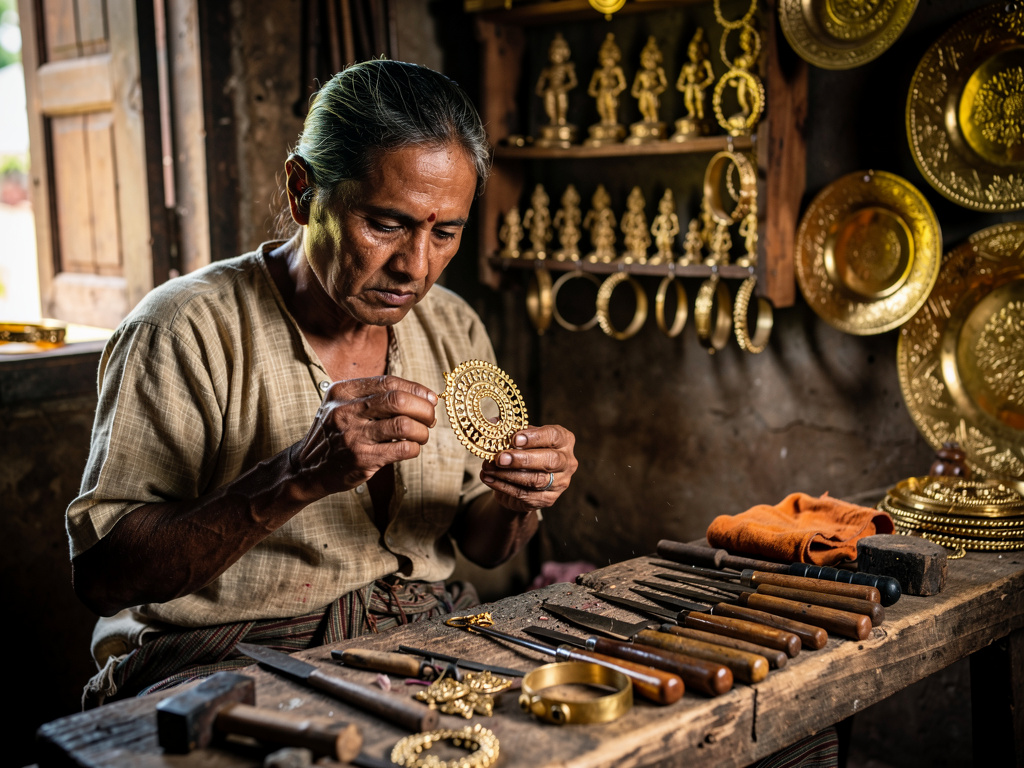
In Nagaland, the project will be based in Mon district and will document the brass-working traditions of the Konyak Naga tribe. The research will be led by Dr Amo Konyak B, with C. Mercy Konyak as collaborator, and hosted by the Konyak Heritage Village Management Board.
According to the project details, the documentation will include the techniques used to make ceremonial brass ornaments and heirloom objects that have long held meaning in Konyak society. Items expected to be covered include Nyen, Khapsan, Khapphuh and Lüngha Yük, along with how these ornaments are used during festivals such as Aoleang Monyu.
Both projects will use ethnographic research, oral history interviews, photography and video documentation. The goal is to create permanent digital archives that preserve not only objects, but also craftsmanship, terminology, stories and the cultural meanings behind them.