Jantar Mantar incident: A call to keep crowd control within constitutional limits
An opinion piece on the Sansad Chalo march at Jantar Mantar on 20 July argues that police action during assemblies must remain proportionate, necessary and open
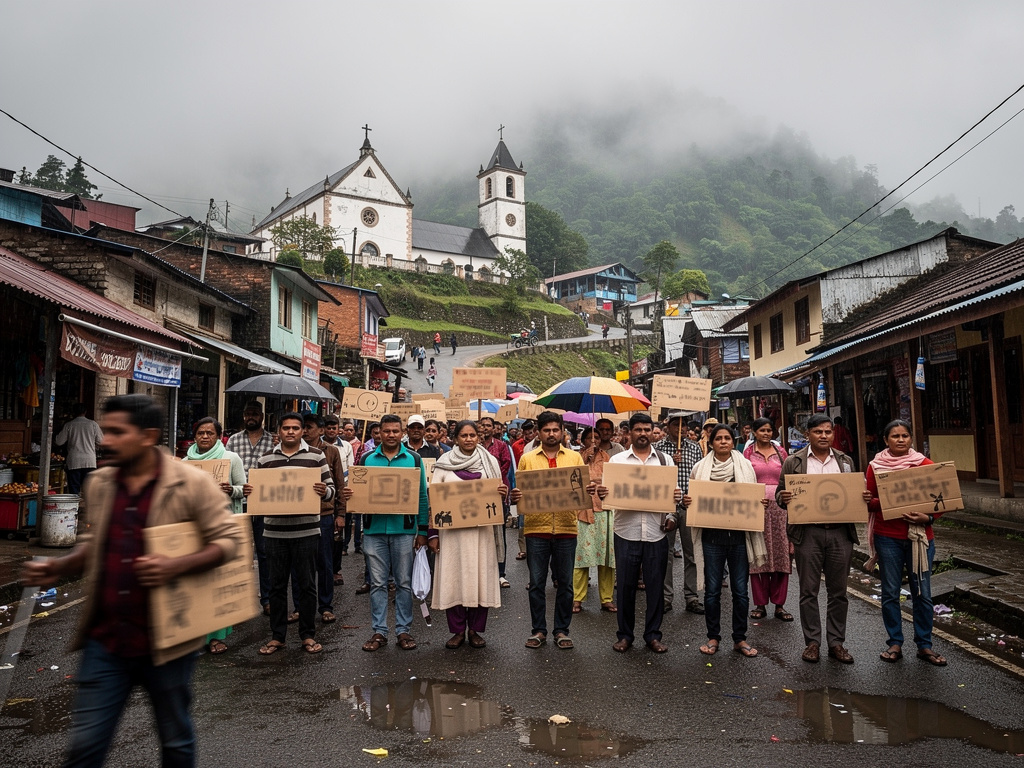
After the Sansad Chalo march at Jantar Mantar on 20 July, an editorial discussion has focused on a key question: when does crowd control end and become punishment? The write-up says the debate should not shift away from what protesters are asking for, toward how police use force against demonstrators.
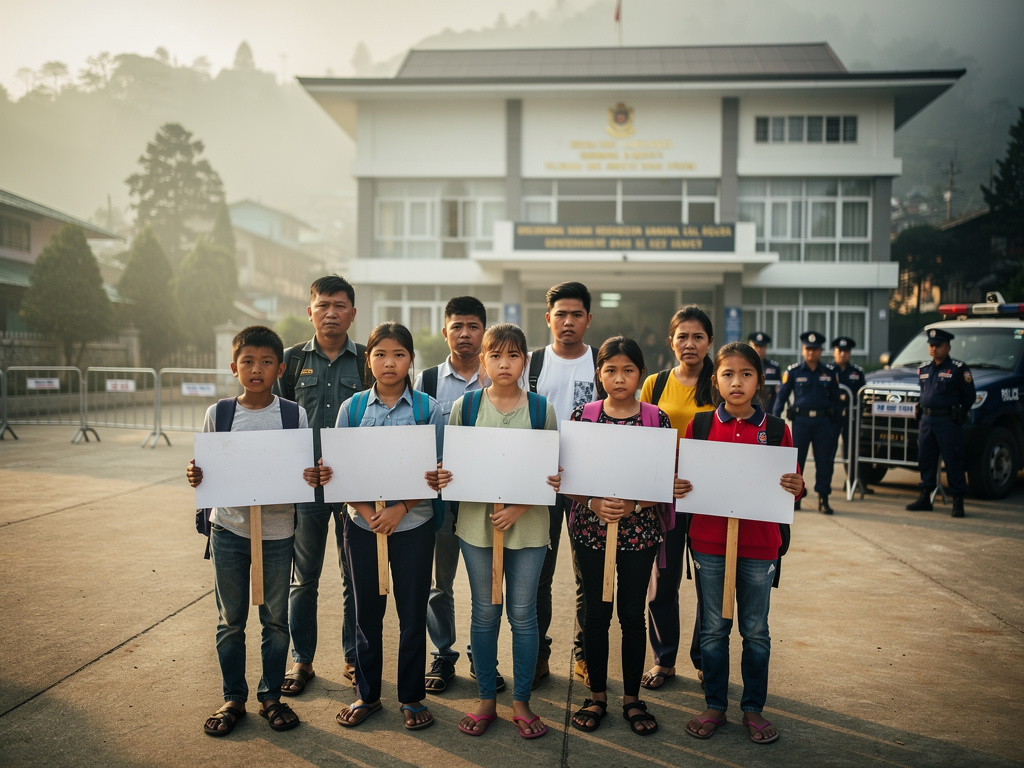
The piece points to reports and footage of police action against people at the site. It argues that a democratic state is allowed to regulate assemblies and protect Parliament from violence. It also says legal intervention becomes compulsory if protesters assault police, damage property, ignore dispersal orders, or try to breach lawful security perimeters.
Force allowed, but only as a last proportionate resort
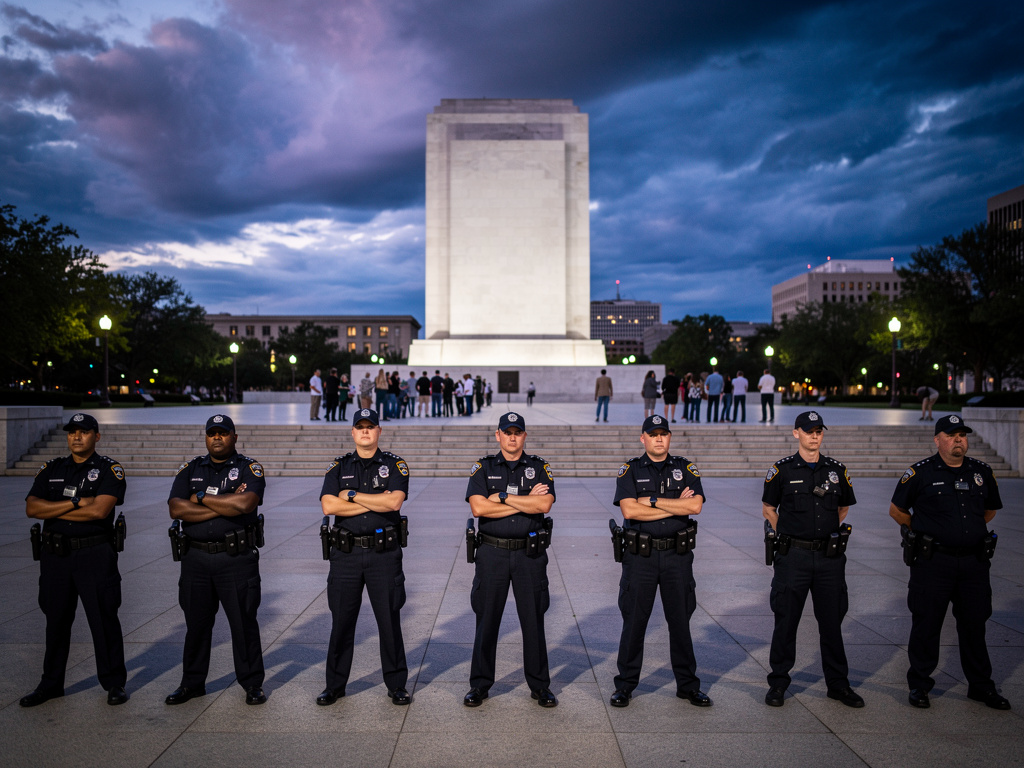
At the same time, the editorial stresses that urgency cannot be used as an excuse for excessive action. It says policing rules require necessity and proportionality, not a quick resort to force. The argument is that even when public order is at risk, the State must still show why coercion was needed and why it remained within reasonable limits.
The editorial cites a Supreme Court decision from Ramlila Maidan Incident v. Home Secretary (2012). It says the court’s reasoning makes clear that the police may work to restore order, but they should not suspend restraint while doing so. It also adds that “security” should not automatically convert every use of force into legality.
Transparency and accountability are central
The discussion further argues that post-event explanations should not replace real transparency. It says a democratic system cannot ask for trust while hiding the basis for coercive action. According to the piece, if there was an imminent threat, it should be disclosed in a way that can be checked.
Finally, the editorial warns that repeated excessive policing can cause lasting damage even without a single dramatic breakdown. It says democracy weakens through many actions that start to seem normal over time, and that each unnecessary use of force lowers the threshold for the next one. It frames this as a responsibility placed on every officer, where a uniform is not a shield but a burden of accountability.