New flowering tree species found in Arunachal Pradesh, changes understanding of its plant group
Researchers describe Mitrephora rashmiae, a new tree species from Arunachal Pradesh, noting a rare flowering pattern and limited records that call for further,広
A flowering tree discovered in the forests of Arunachal Pradesh has been identified as a new plant species, adding to India’s known botanical records. The research names the species Mitrephora rashmiae and describes how it affects scientific understanding of the Mitrephora group of trees found across parts of South and Southeast Asia, as well as Australia.
The study reports an unusual reproductive trait. According to the researchers, this is the first known member of the Mitrephora genus where the same individual tree produces both male flowers and bisexual flowers. This mixed flowering pattern, called andromonoecy, was not previously recorded in any species within the genus.
Small number found during forest surveys
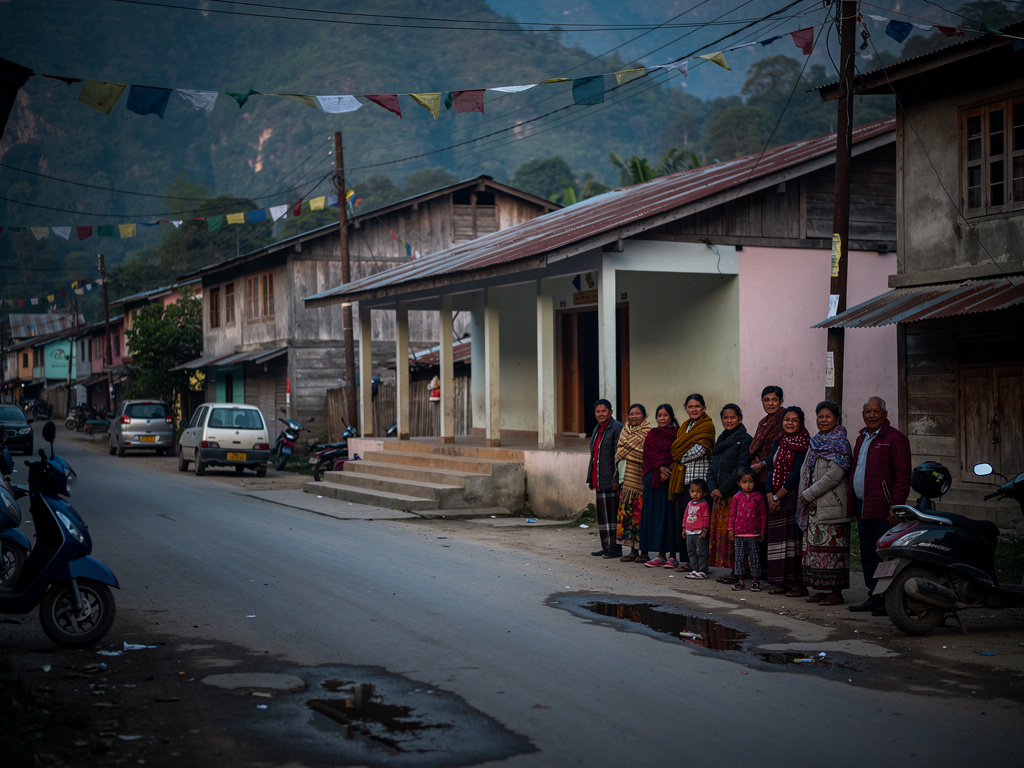
Scientists found the tree during botanical surveys between Daporijo and Taliha in Upper Subansiri district. The plant was growing near the edge of a forest stream at an elevation of about 410 metres. So far, researchers have recorded only a single individual, limiting what can be concluded about how widespread it may be in the region.
Because of this limited record, the authors assign a provisional Data Deficient conservation status. They say more fieldwork is needed to check whether additional populations exist and to better understand the risks facing the species. The paper also places the discovery in a larger biogeographical context, describing it as only the second Mitrephora species ever recorded from the Himalayan biodiversity hotspot.
Distinct flowers and leaves
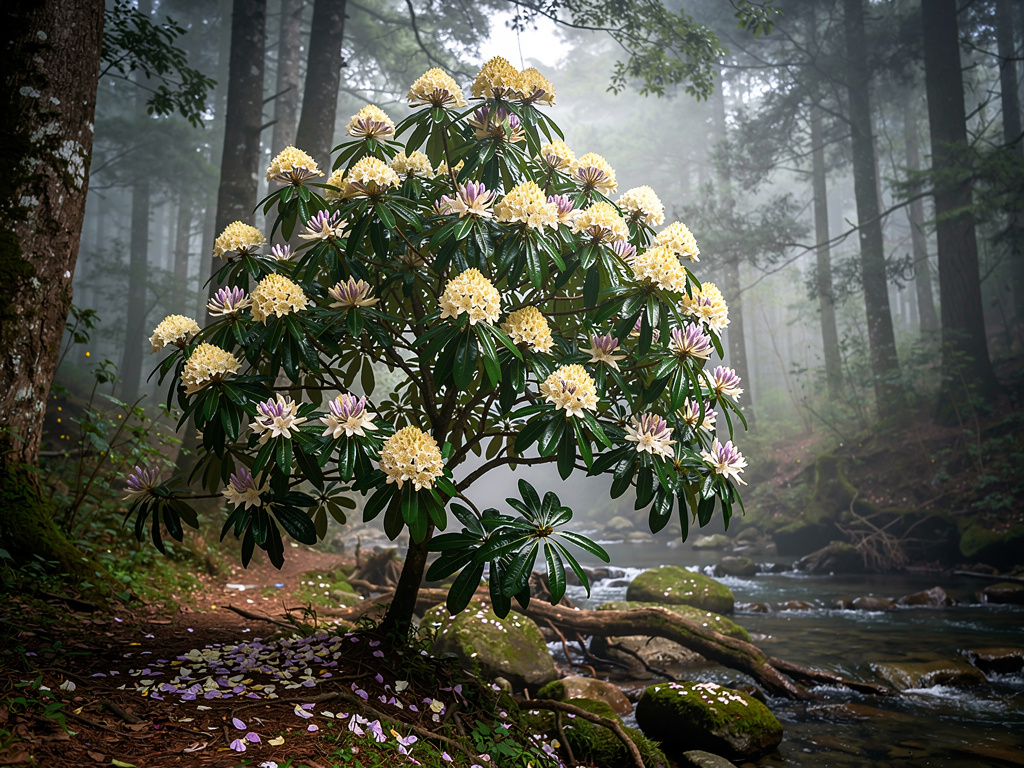
The evergreen tree is described as reaching heights of up to seven metres. Researchers note that its cream-yellow flowers carry purple-striped inner petals and form a dome-like shape. The study also highlights differences from closely related Mitrephora species, including larger leaves, more flowers per inflorescence, and distinct fruit characteristics.
The species name honours Rashmi Thackeray, recognising work that helped build early interest in nature and taxonomy and support associated with the Thackeray Wildlife Foundation. The authors also urge stronger documentation of biodiversity in Arunachal Pradesh and the Northeast, saying new finds like this underline how much remains undocumented and how quickly habitat changes could erase species before they are recorded.