IIT Guwahati develops low-cost device to detect toxicants in water
Researchers at IIT Guwahati have developed E-Eye, a portable sensing device for on-site detection of heavy metals, bacteria and other toxicants, with wireless,
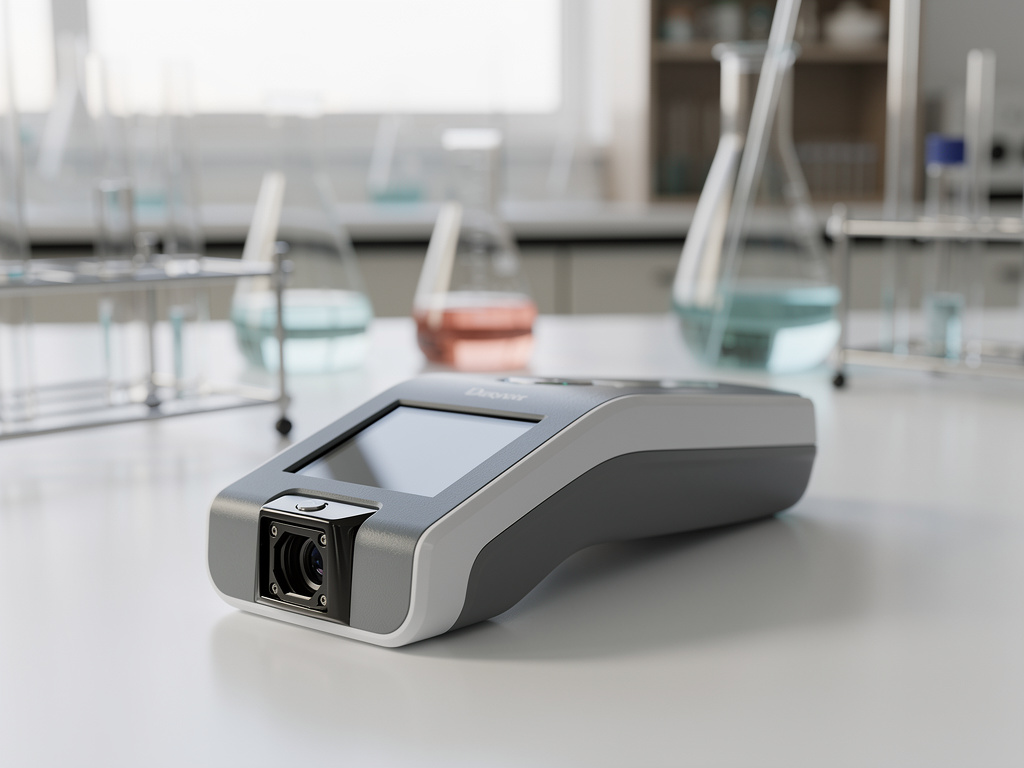
Researchers at the Indian Institute of Technology (IIT) Guwahati have developed a portable optical sensing device to detect toxicants in water and other samples. The device, named E-Eye, is designed for point-of-care use, so results can be generated on site rather than only through laboratory testing.
On-site testing with digital data transfer
The team said E-Eye can detect multiple toxicants using optical sensing. It produces a coloured compound after a chemical reaction, and the colour intensity is used to estimate the concentration of contaminants. The device then converts the readings into digital data and wirelessly transmits the information to water treatment facilities.
During laboratory tests, the device detected several harmful substances, including arsenic, lead, iron, chromium and fluoride. It also tested for Escherichia coli (E. coli) bacteria. IIT Guwahati said the results were comparable to conventional instruments used in labs for measurements of heavy metals and water quality.
Broad use beyond drinking water
The research was published in the IEEE Sensors Journal, with co-authors including researchers from IIT Guwahati, KIIT Bhubaneswar and Ramakrishna Mission Residential College, Kolkata. The work aligns with the Government of India’s Jal Jeevan Mission, which aims to provide safe drinking water to households.
According to the institute, the device is being developed at a cost of around Rs. 3,500, and the cost of testing each sample is approximately Rs. 2. The researchers said they have tested more than 2,700 samples with the device and reported accurate results. They also said E-Eye could be used for environmental and biological testing, including samples such as vegetables, food products, tea and herbal products, along with soil and milk.
The project received support through a research grant from the Ministry of Electronics and Information Technology (MeitY). The researchers have also set up a startup, ENVIONIX Labs Pvt. Ltd., to work on technology transfer and commercialization. They are now developing ways to integrate solar panels for self-sustaining operation and to support remote monitoring through cloud connectivity.