Nagaland University study reconstructs Assam’s Sylhet Limestone as a warm shallow sea
A Nagaland University research team used fieldwork and lab analysis to study Sylhet Limestone in Karbi Anglong and conclude it formed in a shallow, warm marine—
Researchers at Nagaland University have carried out a geological investigation of Sylhet Limestone in the Dillai Parbat area of Assam’s Karbi Anglong district. Their work focuses on how the rocks formed during the Eocene period in Northeast India, adding new detail to how carbonate rocks were deposited in the region.
The study was published in the peer-reviewed Journal of Geosciences Research. It aims to explain the depositional environment of the limestone and uses the results to support related topics such as palaeoenvironmental reconstruction and basin analysis.
Integrated fieldwork and lab tests
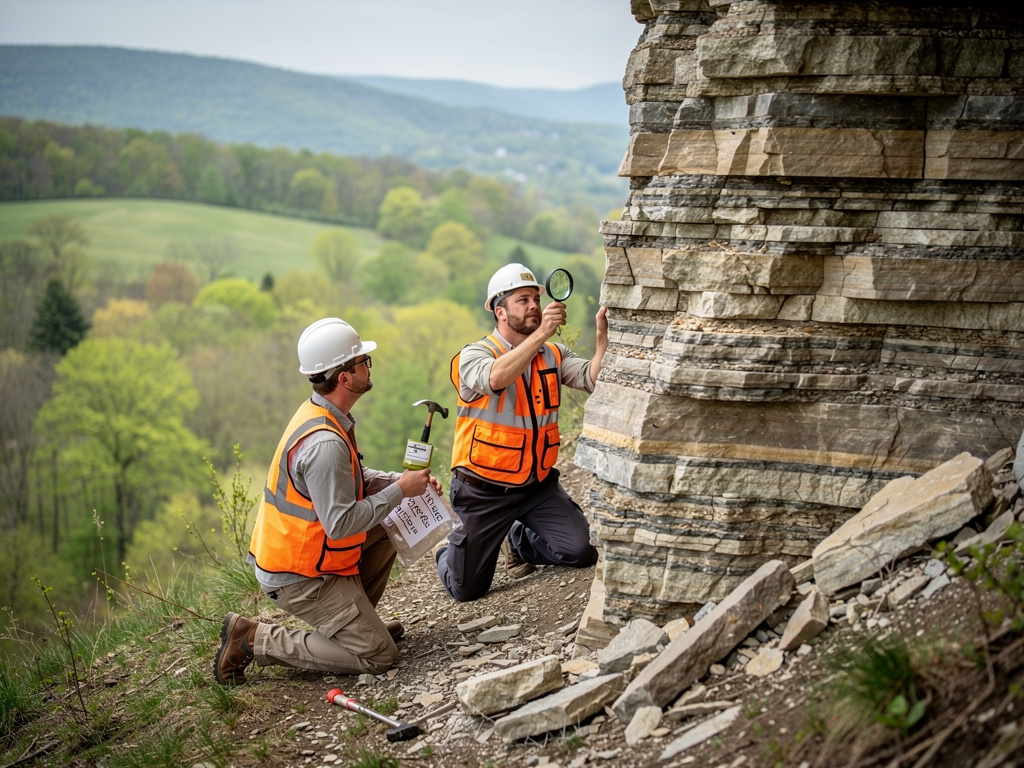
The research was led by Prof. S. K. Srivastava of the university’s Department of Geology, with research scholar Tsenchumo Lotha. Earlier work on Sylhet Limestone had often depended on smaller datasets and mainly on field observations. In this study, the team used an integrated method that combined field observation with petrographic analysis and micropalaeontological investigation.
According to the study, the team examined different rock layers, including limestone as well as shale and sandstone. They also analysed physical and biological sedimentary structures. For lab work, they studied microfossils, including foraminifers, and checked the mineral composition under microscopic examination.
A shallow warm marine setting
Based on the findings, the researchers said the area was once part of a shallow, warm marine setting. They described conditions as similar to a lagoon or near-shore shallow sea, with oxygen and nutrients thought to be sufficient to support marine life. The study also points to sea-level fluctuations over time and to changes in the energy conditions during deposition.
The paper further notes that storm activity left distinctive patterns in the rocks. It also suggests that the changes observed in the depositional environment were linked to tectonic movements. Nagaland University Vice-Chancellor Prof. Jagadish Kumar Patnaik said the work improves understanding of Northeast India’s geological history.