Japan signals long-term focus on India’s Northeast as Act East ties deepen
A Japan–India summit highlighted Tokyo’s sustained push for connectivity and infrastructure in India’s Northeast, linking the region to broader Indo-Pacific and
Japan’s Prime Minister Sanae Takaichi’s visit to India in July drew attention to cooperation on economic security and emerging technologies. However, the talks also put a spotlight on a different priority: Japan’s long-term engagement with India’s Northeast, framed as a key part of the broader India–Japan strategic partnership.
Act East and Free and Open Indo-Pacific connect through the Northeast
The discussions reinforced the idea that the Northeast is moving from a distant frontier to a central gateway in regional planning. The approach connects India’s Act East Policy with Japan’s vision for a Free and Open Indo-Pacific, positioning the Northeast as a land bridge that can link India with Bangladesh, Myanmar, and routes toward Southeast Asia.
Officials also highlighted how this shift is being built through coordination. New Delhi and Tokyo set up the India–Japan Act East Forum in 2017 to align infrastructure and connectivity work across the region. Since then, Japan has become the Northeast’s largest bilateral development partner, supporting projects in areas such as roads, bridges, water supply, energy, healthcare, and environmental work.
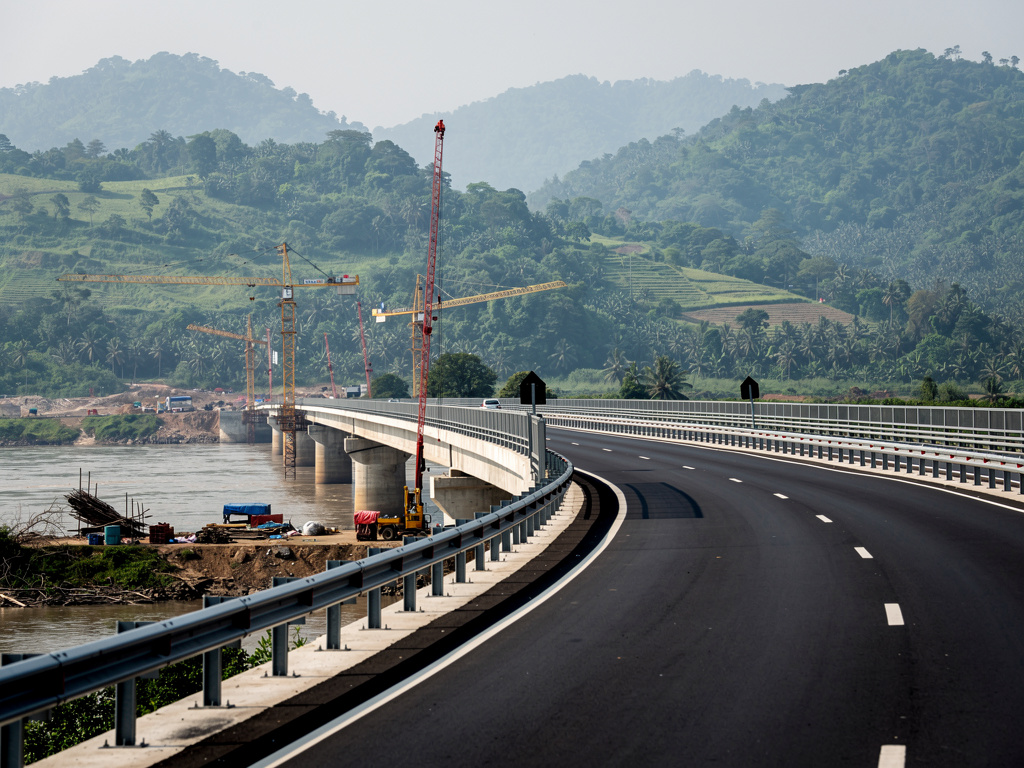
Japan’s support is described as more than standard development financing. The aim is to reshape how distance and economic routes are understood across the Northeast. Reported projects include the Dhubri–Phulbari bridge across the Brahmaputra, work to upgrade National Highway-54 in Mizoram, and road connectivity improvements across Meghalaya and Tripura.
Building corridors beyond the Siliguri route
The article links some of these projects to wider plans for alternative access to the sea. It cites the Aizawl–Tuipang highway, presented as a way to connect Mizoram to the Kaladan Multi-Modal Transit Transport Project. This direction, it says, can help reduce dependence on the narrow Siliguri Corridor.
Japan’s connectivity effort is also tied to regional transport nodes in the Bay of Bengal. The feed points to support connected with Bangladesh’s Matarbari deep-sea port and the Bay of Bengal Industrial Growth Belt (BIG-B) initiative. The strategy, as described, treats the Northeast not as the end of transport networks, but as the starting point of cross-border value chains across the wider region.