Meitei-Naga alliance grows amid violence in Manipur, while Kuki groups call it strategic realignment
As Manipur faces ongoing Naga-Kuki clashes and multi-ethnic violence, a quiet political convergence between Meiteis and Nagas is becoming more visible through p
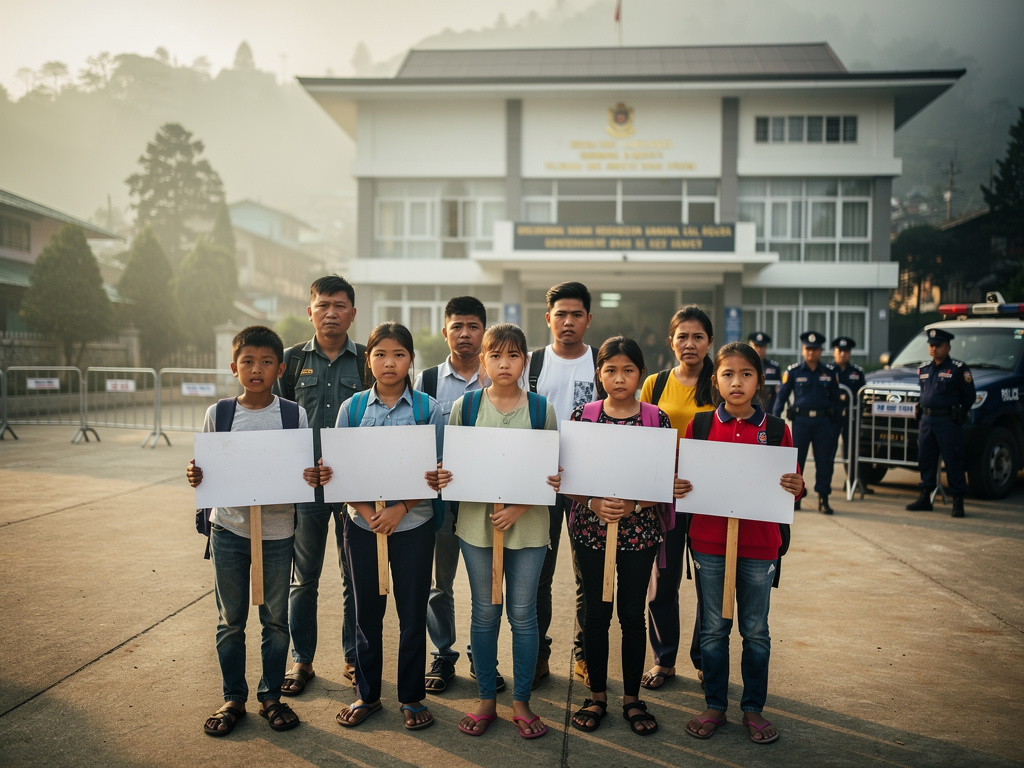
Manipur has been grappling with multi-ethnic violence, including recent Naga-Kuki clashes in Senapati district that reportedly killed six Naga civilians. In this tense backdrop, a political alignment between the Meitei and Naga communities is being described by participants as quietly taking shape through joint activity in public spaces.
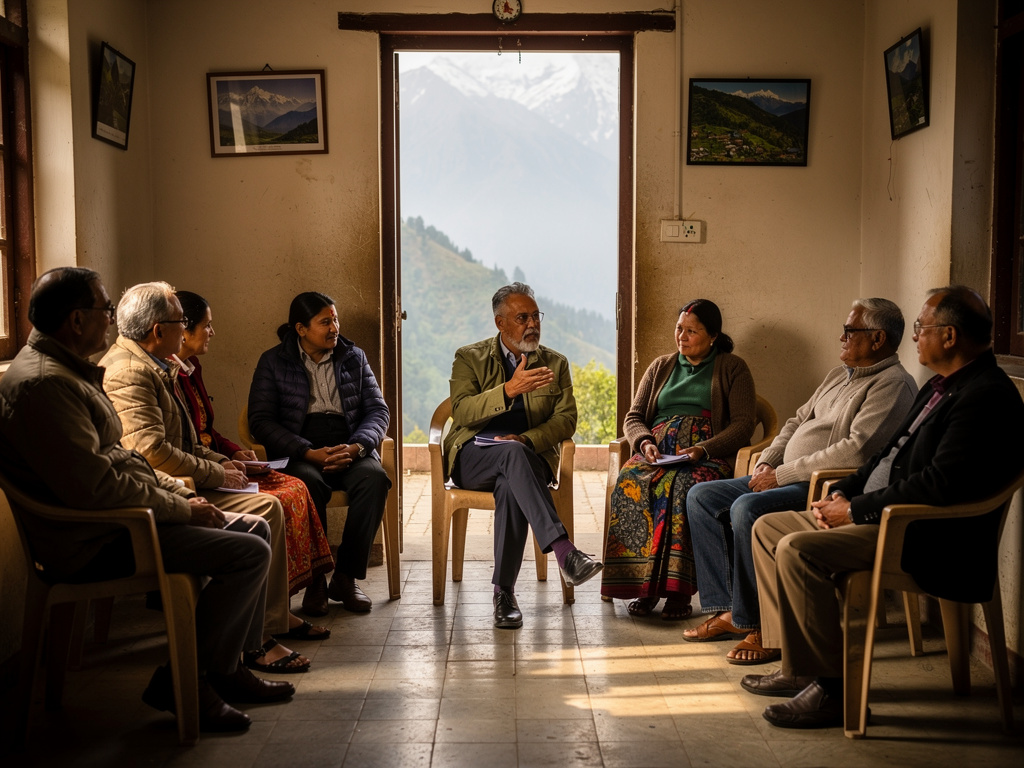
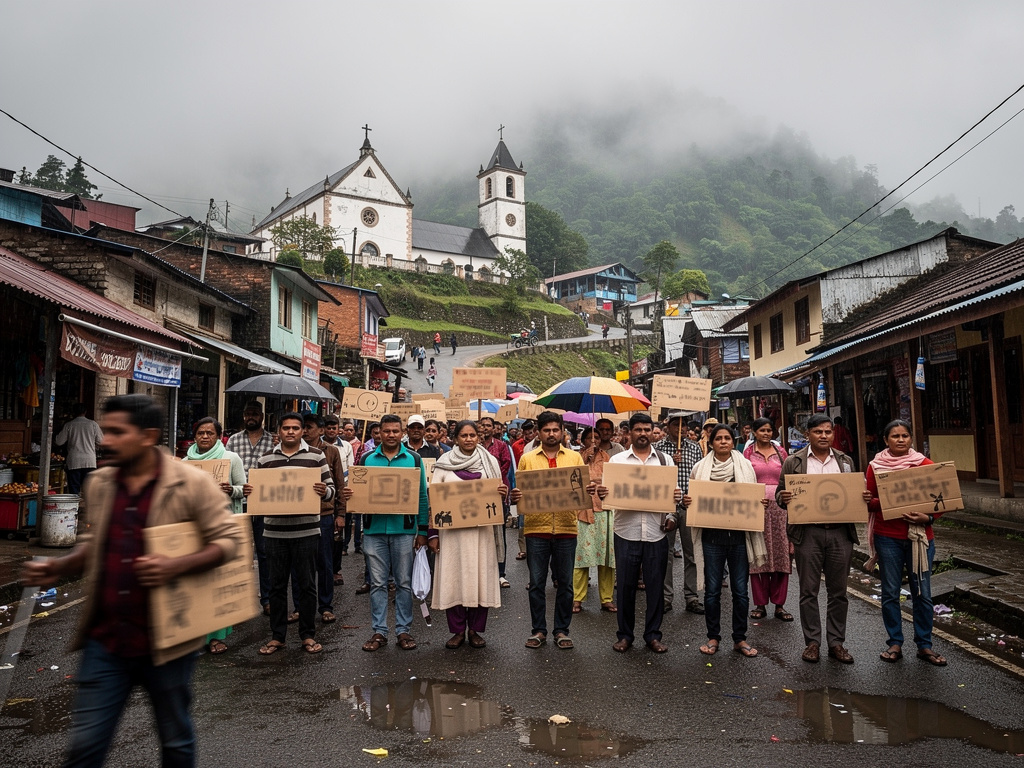
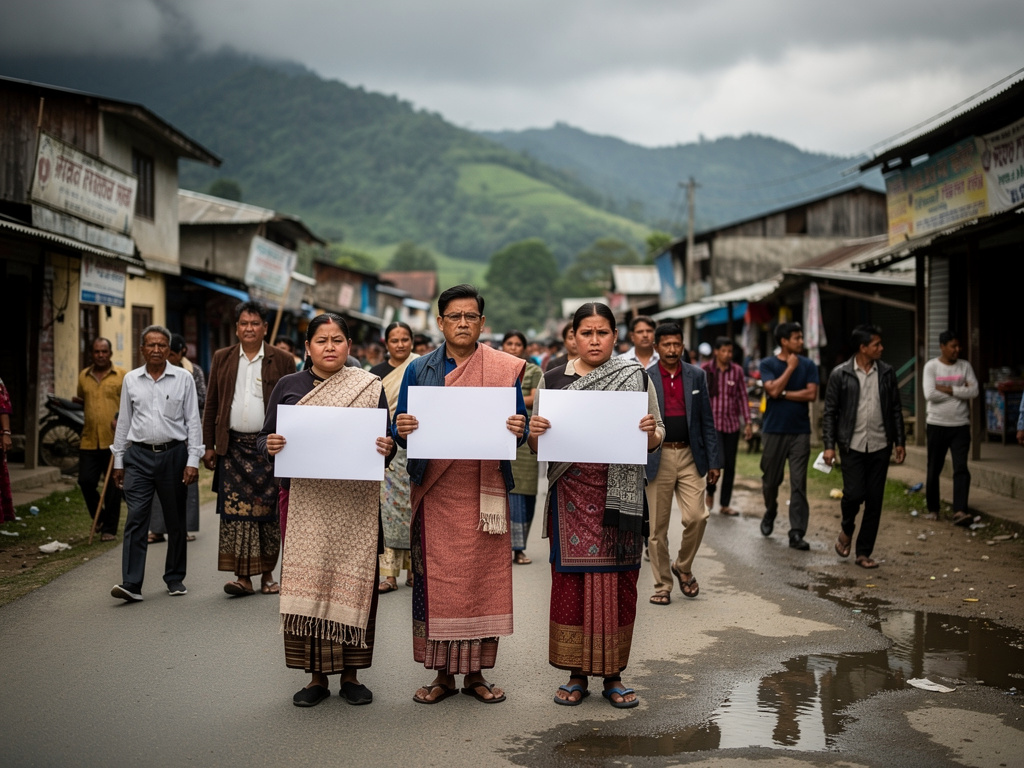
Reports from the ground say the emerging convergence has been seen through joint protests, public meetings, and shared committees. People involved say the effort is focused on shared territorial and political concerns, and they frame it as a common cause among “indigenous communities” against “outsiders.” Key issues mentioned include alleged illegal immigration, land encroachment, and disputes linked to poppy cultivation and militancy-related problems.
How the alliance is being framed by Meitei-Naga civil groups
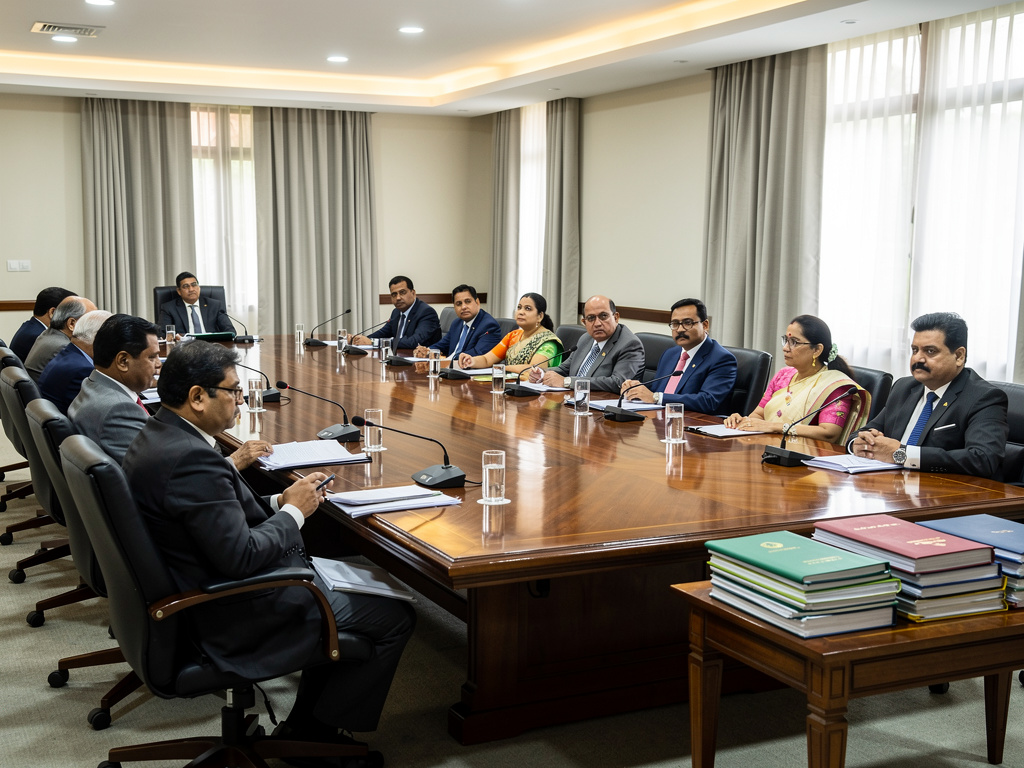
One of the civil groups involved is the Native People’s Committee, Manipur (NPCM), described as a joint Meitei-Naga body formed on May 26. Its convenor, Ashang Kasar, said the alliance is driven by a sense of shared responsibility for defending land and people. He added that the Meitei and Naga communities “sat together” to form a joint committee because they viewed themselves as major landholders in the state.
COCOMI, the apex Meitei body referenced in the report, is represented by its spokesperson Santa Nahakam. He said the mobilisation is not against any Kuki group, but against what he called “narco terrorists.” Nahakam also argued that some Kuki villages are under the influence of such armed networks or “SoO groups,” and said this is why the Meitei and Naga communities have drawn closer.
Kuki leaders see it as a widening political strategy
From the other side, Kuki Inpi’s information secretary Janghaolun Haokip said the visible Meitei-Naga convergence reflects a longer political alignment and propaganda, which he links to strategies that, in his view, even existed before the 2023 violence. He also suspected that former Chief Minister Biren Singh played a role in building an understanding between the Meiteis and Nagas, and said the focus is largely on territorial and land dominance.
Research and commentary included in the report also challenges how the alliance defines “indignity.” A political science professor, Dr Kham Khan Suan Hausing, argued that the idea of “first occupancy” is difficult to prove across history, pointing to multiple migration waves across the region. He said such distinctions can work to otherize and exclude communities in political narratives.
As the alliance grows more visible through joint platforms, Kuki organisations and scholars in the report view it as a move that could narrow Kuki political space in any future settlement, even as Meitei-Naga participants describe it as a shared defence of land rights and community interests.