Nagaland communities question tripartite oil MoU over land and boundary issues
A June tripartite oil and gas MoU covering a disputed Assam–Nagaland belt has faced opposition from local groups in Nagaland, who want boundary clarity and land
A tripartite Memorandum of Understanding aimed at enabling oil and gas exploration in the Assam–Nagaland Disputed Area Belt has drawn strong objections from communities in Nagaland. The MoU, signed on June 11, 2026, involves the Government of India, Assam and Nagaland and covers exploration across more than 1,000 sq km of the border belt that has long remained contested.
Officials had described the agreement as a cooperative step to unlock hydrocarbon reserves. However, opposition is building among groups representing people living in the area, who say exploration should not begin without answers on land ownership and disputed boundaries.
Konyak Union says exploration must wait for boundary clarity
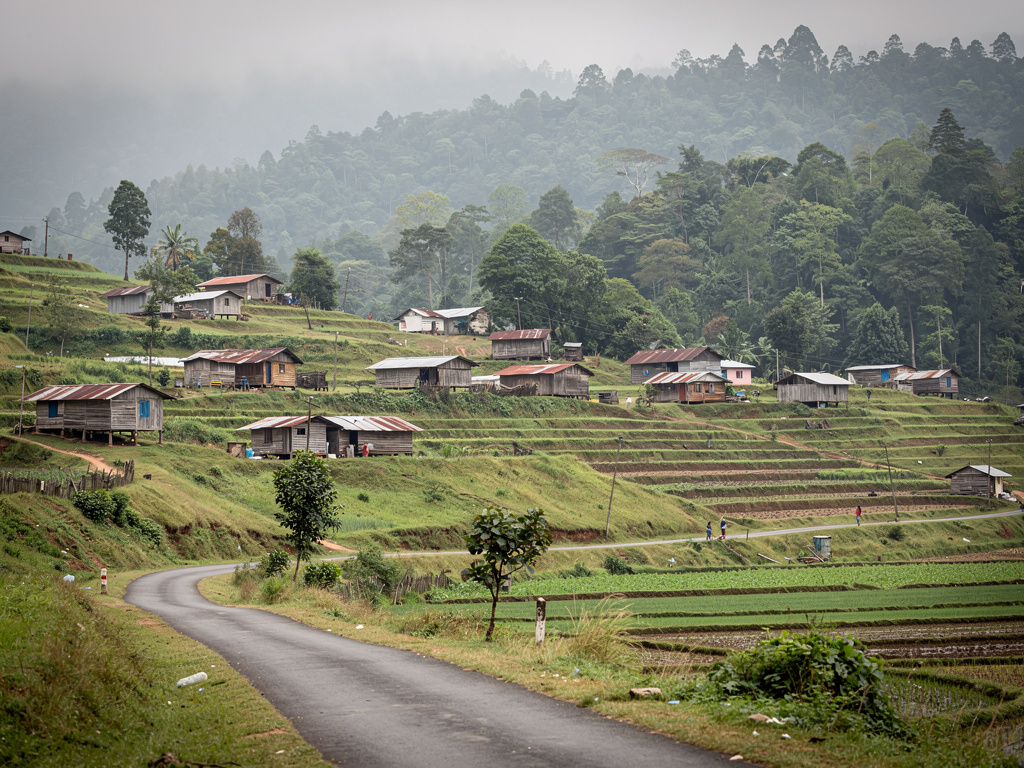
The Konyak Union has urged caution and asked that the Nagaland government clarify the status of disputed land before any exploration activity starts. In a meeting in Mon, the Union said work should not proceed until issues are addressed in key locations, including the Tizit–Naginimora belt along the Assam border and the ancestral boundary between Longwa in Mon district and Pongchao in Arunachal Pradesh.
The Union also linked its concerns to what it calls inaccuracies in digital maps that, according to Konyak representatives, misrepresent traditional Konyak boundaries across Assam and Arunachal Pradesh. The organisation said it raised these points in a memorandum to Chief Minister Neiphiu Rio in September 2024 and has not received a response it considers sufficient.
Legal disclaimers may not stop new tensions, critics say
Critics say that even though the MoU states it is “without prejudice” to the Assam–Nagaland boundary dispute, the disagreement could still be affected on the ground. The boundary matter has been pending before the Supreme Court since 1988. A social entrepreneur from Nagaland argued that once exploration licences and infrastructure like roads and drilling begin, it becomes harder to reverse any outcomes, regardless of later court decisions.
The objection also goes beyond maps and borders. A major point raised is the absence of a clear, public mechanism to protect customary landowners, even though land in Nagaland is held through individuals, clans and village communities under customary law. The MoU reportedly speaks about a 50:50 revenue split between Assam and Nagaland, but it does not spell out how affected indigenous communities would benefit. The debate has revived discussion around Article 371A, which gives Nagaland special protection for land and resources.
Konyak Union concerns also include border security. The group renewed its call for stronger security infrastructure along Nagaland’s international and inter-state borders, citing a memorandum submitted on July 12, 2025 through the Deputy Chief Minister (Home) that highlighted rising illegal cross-border activity.