Mizoram discusses refugee response as people flee Bangladesh’s Chittagong Hill Tracts
Mizoram Home Minister K. Sapdanga says the state needs a carefully planned policy for both Zo and non-Zo refugees arriving from Bangladesh’s Chittagong Hill Tr…
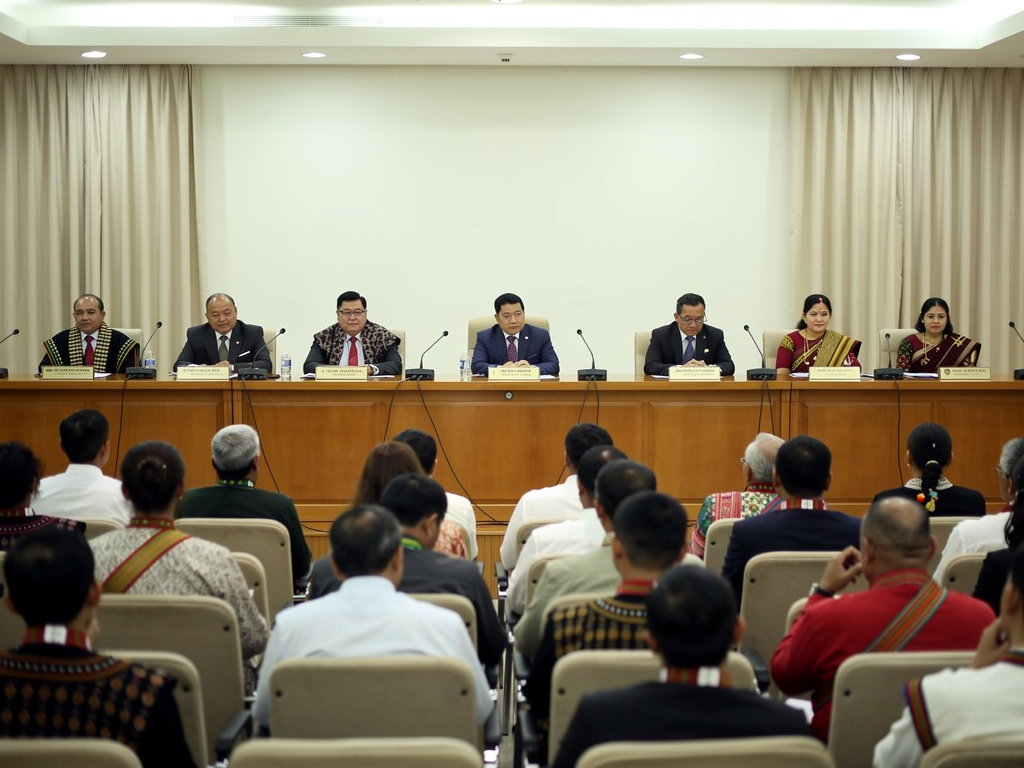
Mizoram is considering how it should respond to people arriving from across the international border, including both Zo and non-Zo communities fleeing the Chittagong Hill Tracts (CHT) in Bangladesh. Speaking at a seminar on Thursday, Home Minister K. Sapdanga said the state government must look at the issue in a careful and organised way, given the growing influx.
Policy focus for Zo and non-Zo refugees
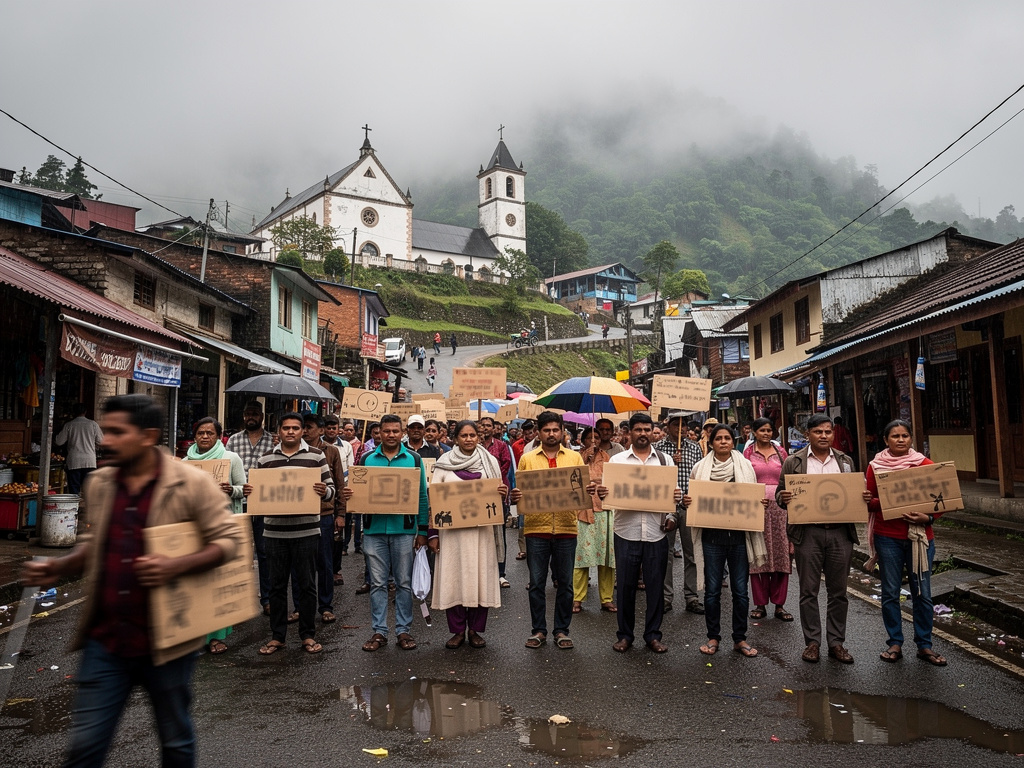
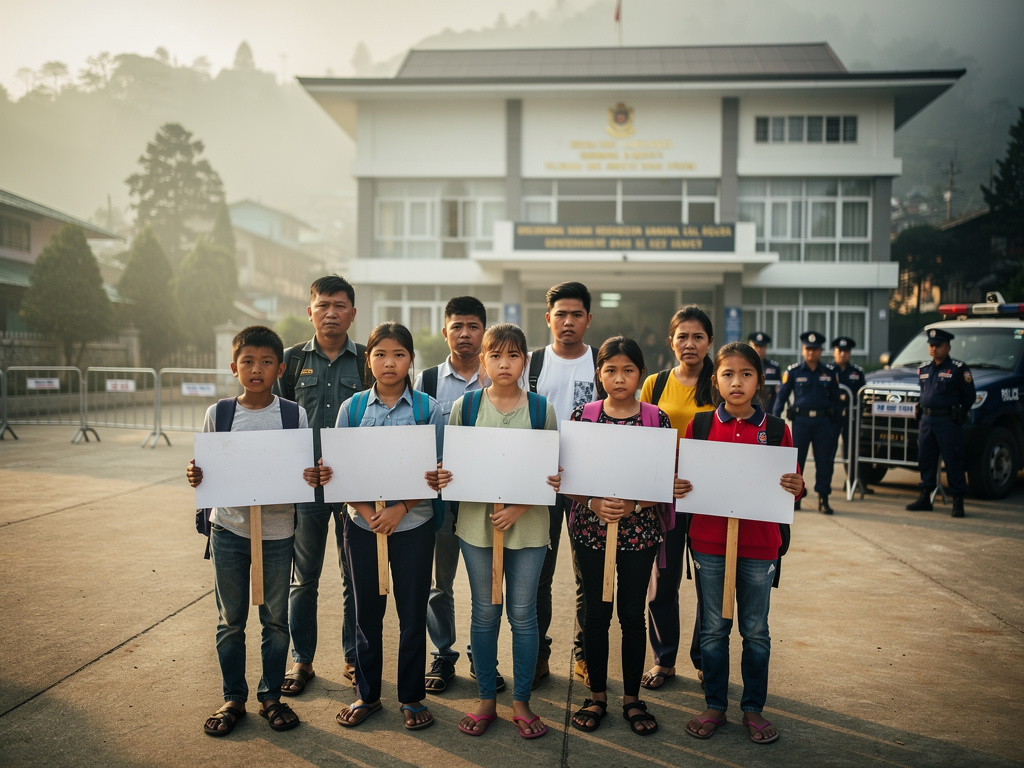
Sapdanga said many Zo communities living in the CHT have been forced to leave their areas. He said the movement is linked to pressure created by Muslim settlers increasingly moving into Zo areas and seeking land. He also pointed to a deteriorating security situation as one of the reasons residents have chosen to seek refuge in Mizoram.
The minister also said that Chakmas and Brus are among the groups who have been fleeing violence. He noted that support has come from churches and humanitarian groups, as well as political parties and other civil society organisations. He said assistance has been provided while keeping state security concerns in mind.
Discussion brings together government and community groups
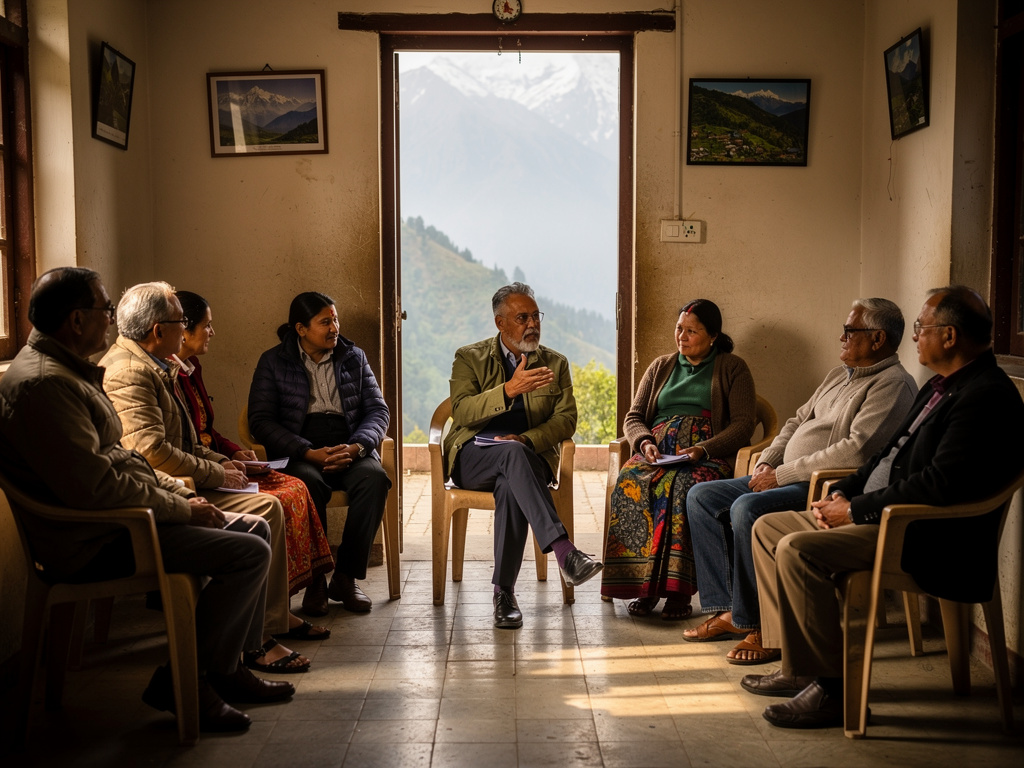
Sapdanga said the seminar is aimed at encouraging dialogue on how refugees should be received. He said the government must give careful thought to the situation and that community engagement can help shape a better response. He added that discussions involving government bodies, community organisations, churches, and civil society could support a clearer understanding of the evolving border situation.
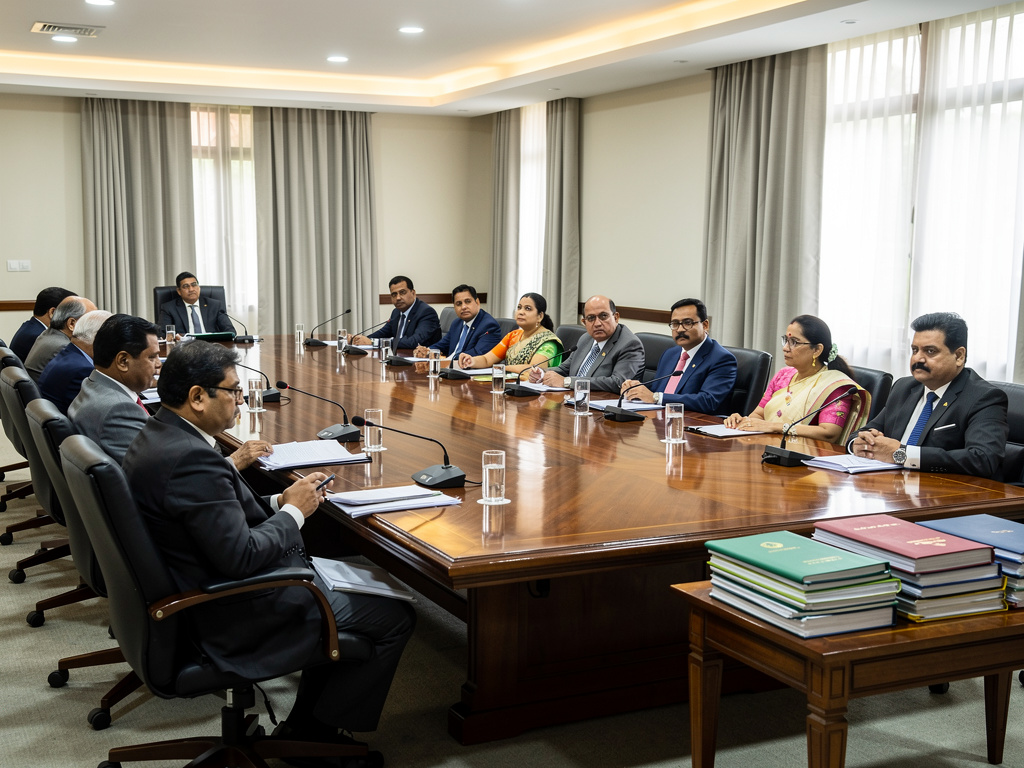
Adviser to the Chief Minister (Political) Lalmuanpuia Punte said it is important to understand the circumstances of people in neighbouring regions and the reasons behind their movement into Mizoram. The event was organised on the theme, “The Impact of the Ongoing Conflict in Bangladesh’s Tribal Areas on Mizoram and the Chittagong Accord.” It included a keynote address by Dr Lalrinnunga Hmar of Mizoram University and a moderated discussion by Dr Lalthlamuana Ralte of Pachhunga University. Representatives from political parties, student organisations, researchers, and media also attended, alongside church and civil society participants.