Multidisciplinary team begins expedition to assess risk at high-risk glacial lakes in North Sikkim
A multidisciplinary team has started a scientific expedition in North Sikkim’s Mangan district to collect data for Glacial Lake Outburst Flood hazard assessment
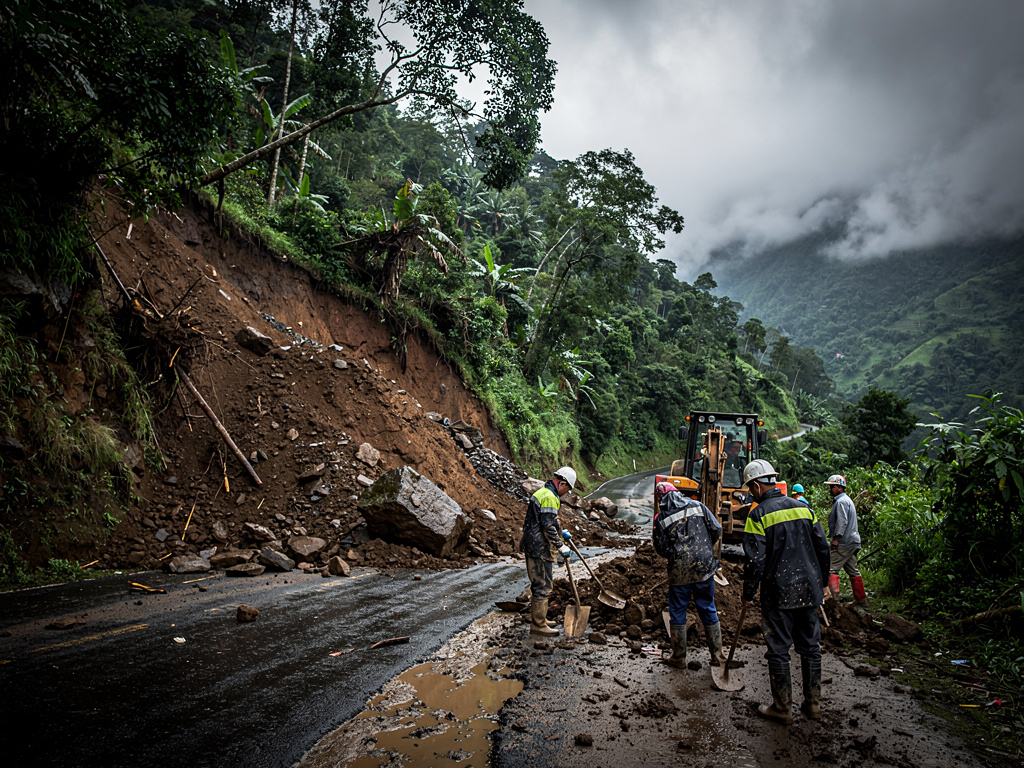
A multidisciplinary scientific expedition has started in the upper reaches of Mangan district in North Sikkim. The initiative is being carried out by experts from the State Science and Technology department, the Sikkim State Disaster Management Authority (SSDMA), the Mines and Geology department, Sikkim University, the Sikkim Commission on Glacial Hazards, and C-DAC. The expedition began with the goal of studying high-risk glacial lakes.
Data collection for glacial lake hazard planning
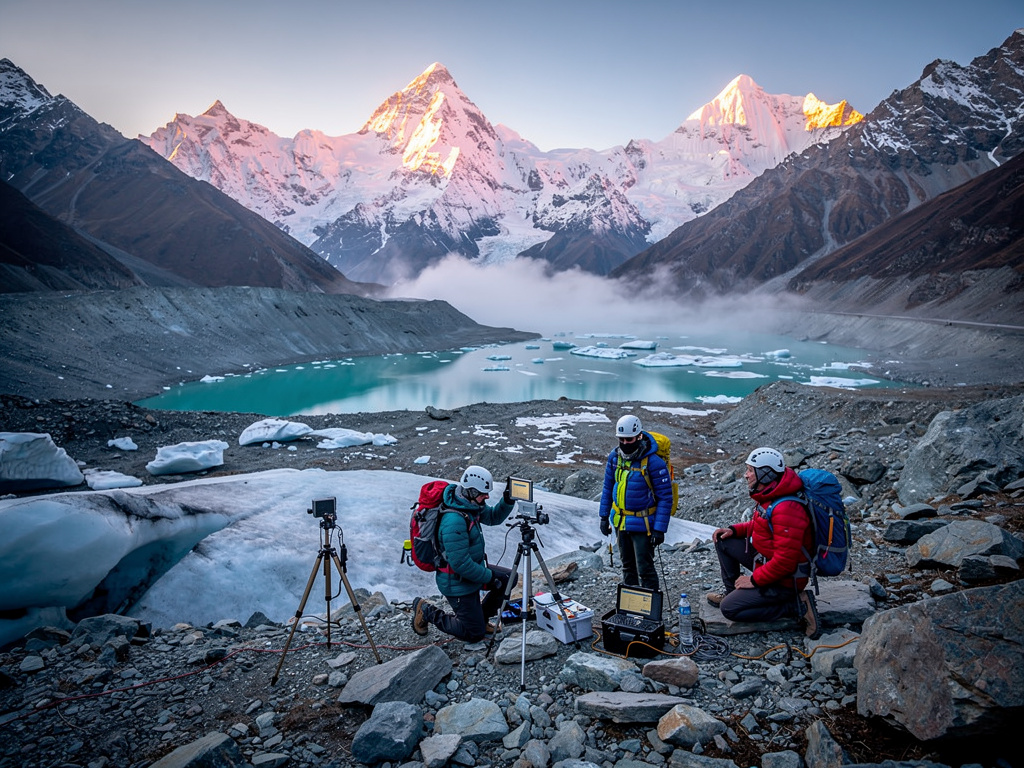
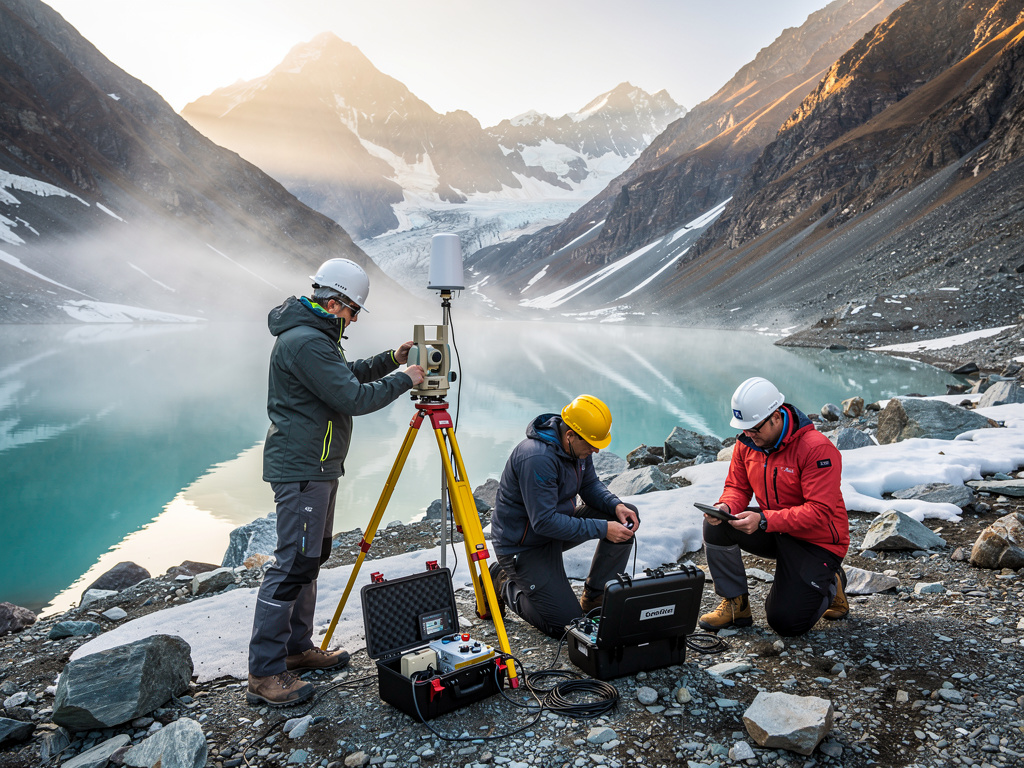
According to a press release, the team will conduct a comprehensive hazard assessment of glacial lakes that have been identified as high-risk. The work will involve collecting bathymetric data, along with geological and geophysical information. It will also include hydrological and meteorological observations needed for hazard and risk assessment linked to Glacial Lake Outburst Floods (GLOFs).
Beyond field measurements, the collected data is expected to support hydrodynamic modelling and mitigation planning. The study is also intended to create baseline scientific information that can be used for longer-term monitoring. It is expected to help strengthen early warning systems and guide the preparation of lake-specific GLOF mitigation plans for the state government.
Automatic weather stations to improve real-time monitoring
As part of the expedition, Automatic Weather Stations (AWS) will be installed at two strategic locations near the identified high-risk glacial lakes. These AWS installations aim to improve real-time meteorological monitoring, which can support disaster preparedness activities. The project also focuses on gathering information that can be used to better understand changing conditions around these lakes.
The expedition is organised by the Science and Technology department and is expected to contribute to a clearer scientific basis for managing risks associated with glacial hazards in North Sikkim. The field data and modelling efforts are aimed at improving response planning for potential GLOF-related events.