Nirmal Purja’s Body Found on Broad Peak; Teams Continue Search for Missing Climbers
Nirmal “Nims” Purja’s body has been recovered on Broad Peak in Pakistan’s Gilgit-Baltistan. Rescue teams have found five bodies so far and continue searching in
The body of British-Nepali mountaineer Nirmal “Nims” Purja has been recovered on Broad Peak in Pakistan’s Gilgit-Baltistan region, nearly three days after a severe avalanche hit an international climbing team. The Alpine Club of Pakistan said Purja’s body was found at about 5,700 metres.
Purja, 43, was leading a 10-member team when the avalanche occurred on July 30. Rescue teams have recovered five bodies so far, and they are continuing the search for the remaining five climbers.
Rescue slowed by weather and rugged terrain
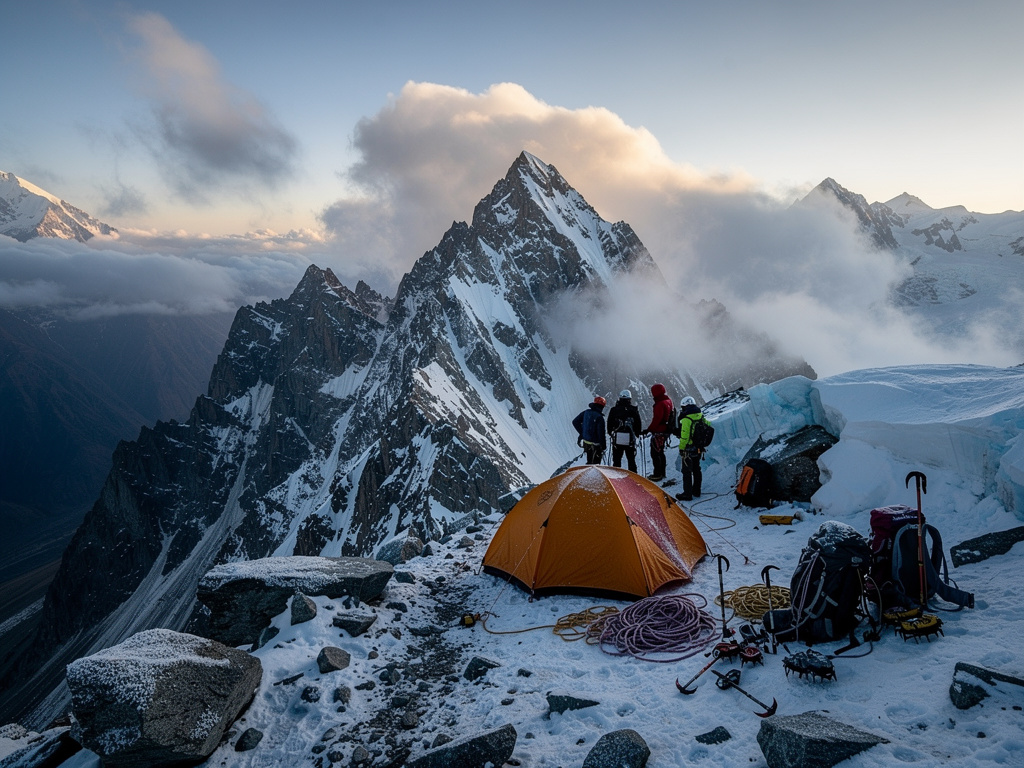
Rescue operations are being carried out in very difficult conditions, with tough weather and rough mountain terrain affecting the pace of work. Teams have used ground efforts along with drones and air support to reach possible locations along the high-altitude route.
Officials said the search will continue until all missing climbers are found. Broad Peak rises to 8,051 metres in the Karakoram range and is widely seen as one of the hardest mountains for high-altitude climbs. The combination of altitude, exposed conditions, and limited visibility can make search and recovery especially challenging.
Purja’s mountaineering legacy
Purja became internationally known for completing all 14 peaks above 8,000 metres in a record 189 days in 2019. The achievement was later highlighted in the Netflix film 14 Peaks: Nothing Is Impossible.
Before mountaineering, Purja served in the British Army, including time in the Gurkha regiment, and later served in the UK’s Special Boat Service (SBS). Colleagues and expedition organizers have also spoken of his reputation for endurance and leadership, along with experience in high-altitude rescue missions.
The news of Purja’s death has been followed by tributes from the wider mountaineering community. Rescue personnel are now focused on finding the remaining missing climbers as conditions allow.