Pangsau Pass Border Haat restarts in Arunachal after six-year pause
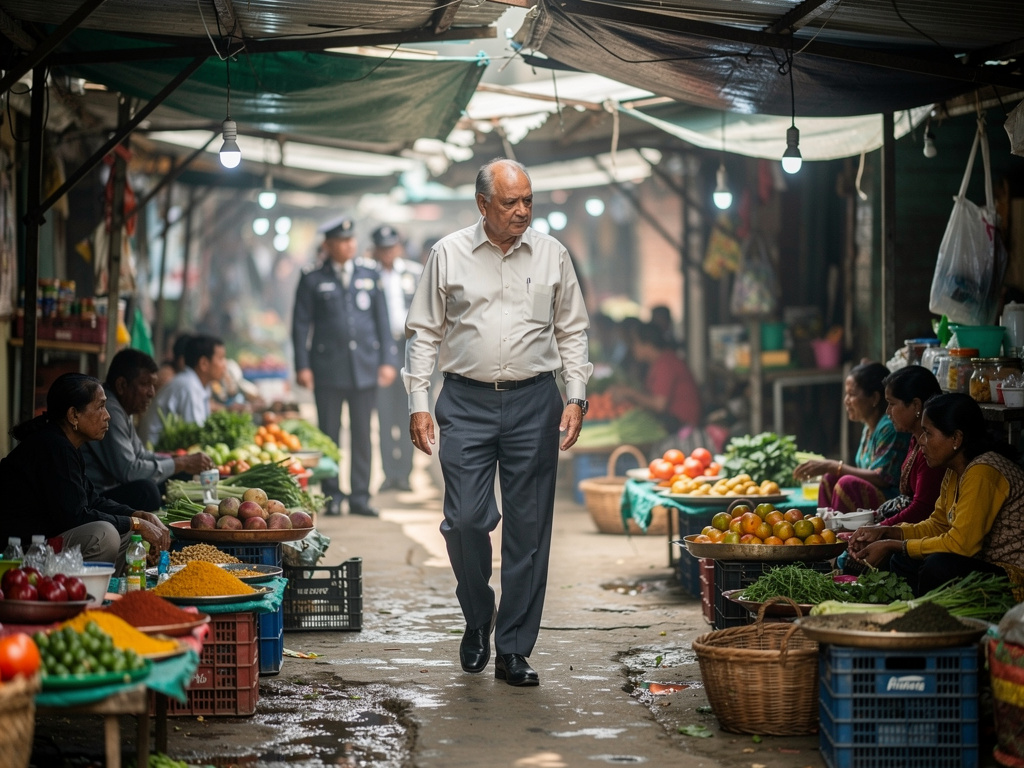
The Pangsau Pass Border Haat at Nampong in Changlang district reopened after a six-year gap, with the market set to operate three days each month for India-Myan
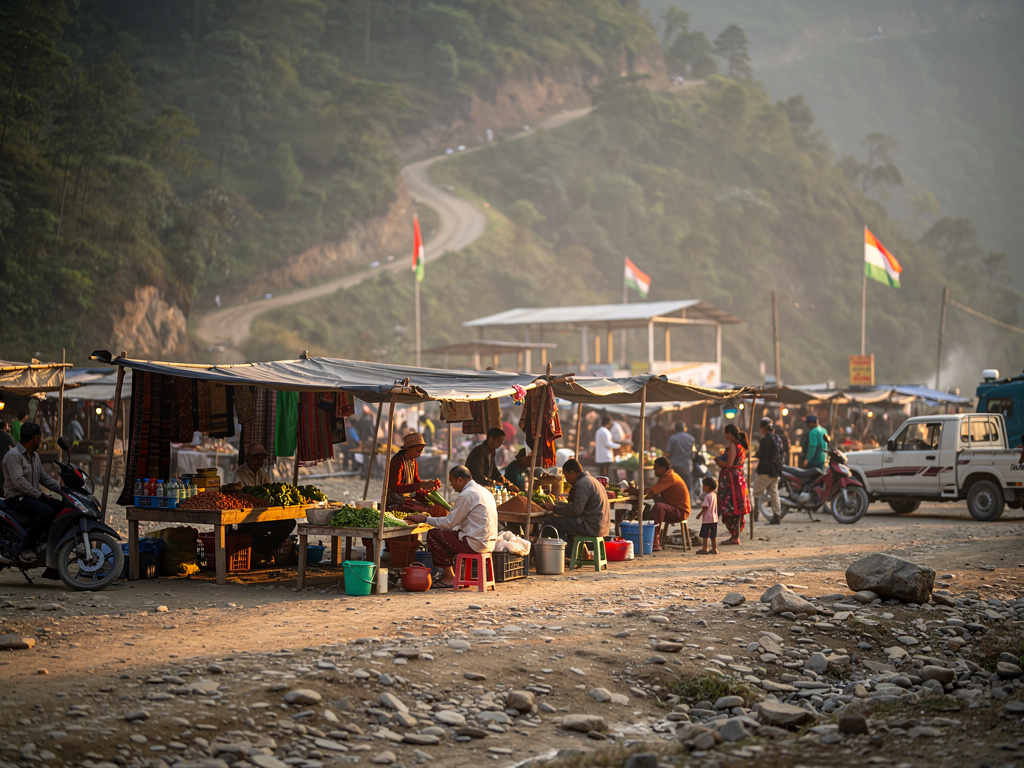
The historic Pangsau Pass Border Haat at Nampong in Arunachal Pradesh’s Changlang district reopened on Monday after a six-year gap. The market resumed on July 20, according to local reports from the area, restoring a regular space for India-Myanmar trade and public visits at the border.
Market schedule set for three days each month
The haat will operate three days every month: on the 10th, 20th, and 30th. The reopening comes after trade stayed suspended for years, including during the period when cross-border movements were disrupted by the Covid-19 pandemic.
A notice issued after a meeting laid out a Standard Operating Procedure (SOP) for how the border haat should run. The SOP is meant to regulate the market in a way described as systematic, transparent, and secure.
Who can cross and how trade works
Cross-border commerce is carried out under the Free Movement Regime (FMR). Under this arrangement, residents living within a 10 km radius on either side of the India-Myanmar border can take part in local commerce and cross-border exchanges. For visitors, the reports say Indian citizens can cross to visit the market on designated “India Days” by using a Protected Area Permit (PAP) or other local permissions. On Fridays, referred to locally as “Burma Day,” Myanmarese villagers cross into Nampong to shop on the Indian side.
The Pangsau Pass point is described as a strategically important border location between India and Myanmar. Local traders and residents welcomed the restart, saying they were glad the haat is open again and that trade has resumed. The reopening is also expected to support border tourism in the region, where the nearby Lake of No Return is linked to a well-known World War II site in Myanmar.