Protests at Jantar Mantar raise questions about how India responds to peaceful dissent
An essay linked to the Jantar Mantar protests discusses what democracy means beyond elections, and why authorities’ response to peaceful hunger strikes matters.
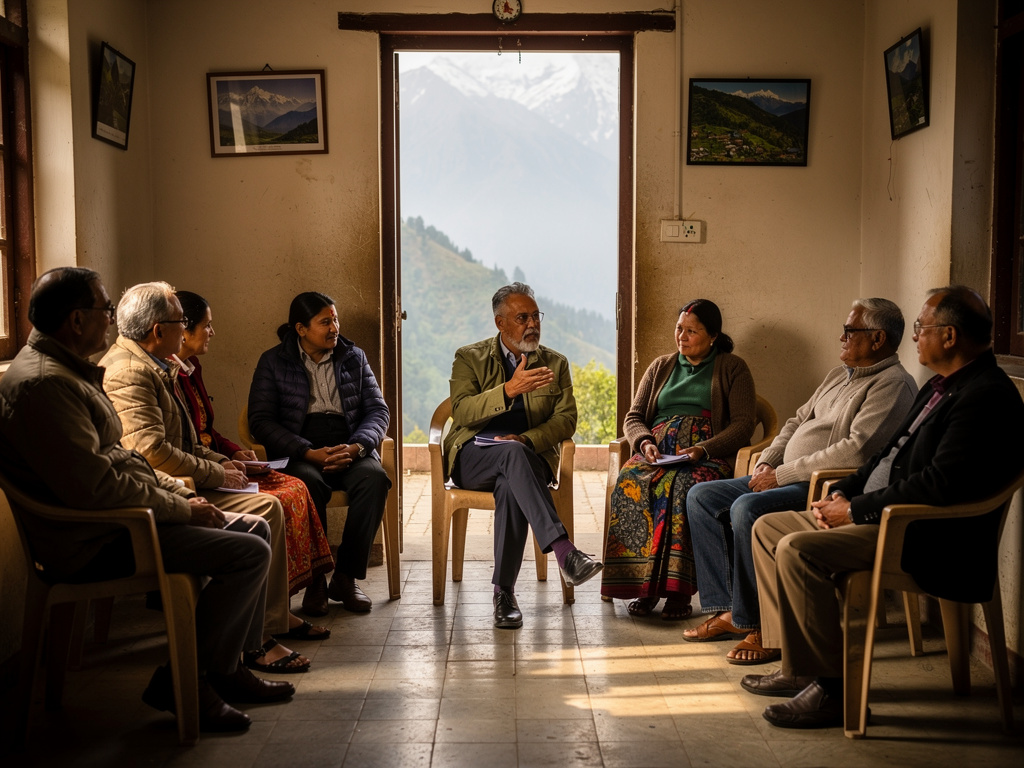
A recent essay on the protests at Jantar Mantar argues that democracy cannot be measured only by whether elections are held. It says democratic health also depends on what happens between elections, including how public institutions respond when citizens raise grievances.
The piece points to an expanding view of democracy that includes an active civil society, space for freedom of speech and expression, independent media, and accountability by institutions. It also questions how “the people” are represented in practice, noting that access to influence can differ by class, caste, gender, religion, and other social factors.
Beyond elections: why dissent and dialogue matter
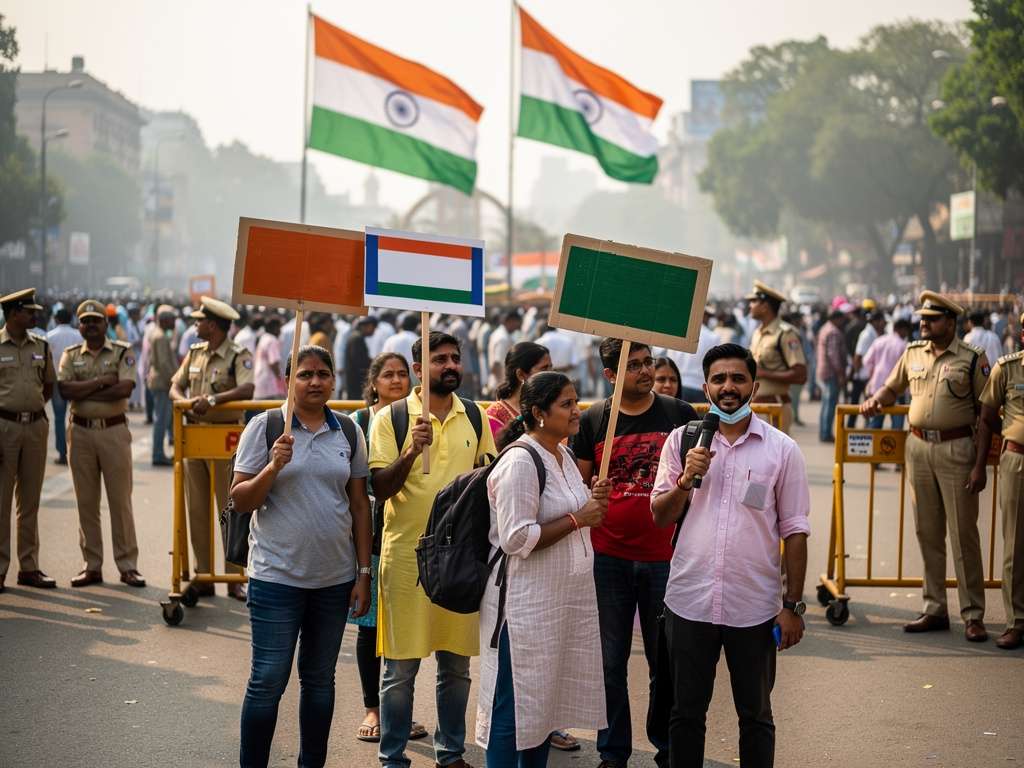
Central to the essay is the idea that majority rule is not enough if minority rights and dissent are not protected. It describes a democratic government’s role as more than allowing protests to continue. The author says authorities should treat peaceful demonstrators as legitimate political interlocutors and be willing to listen and explain their position.
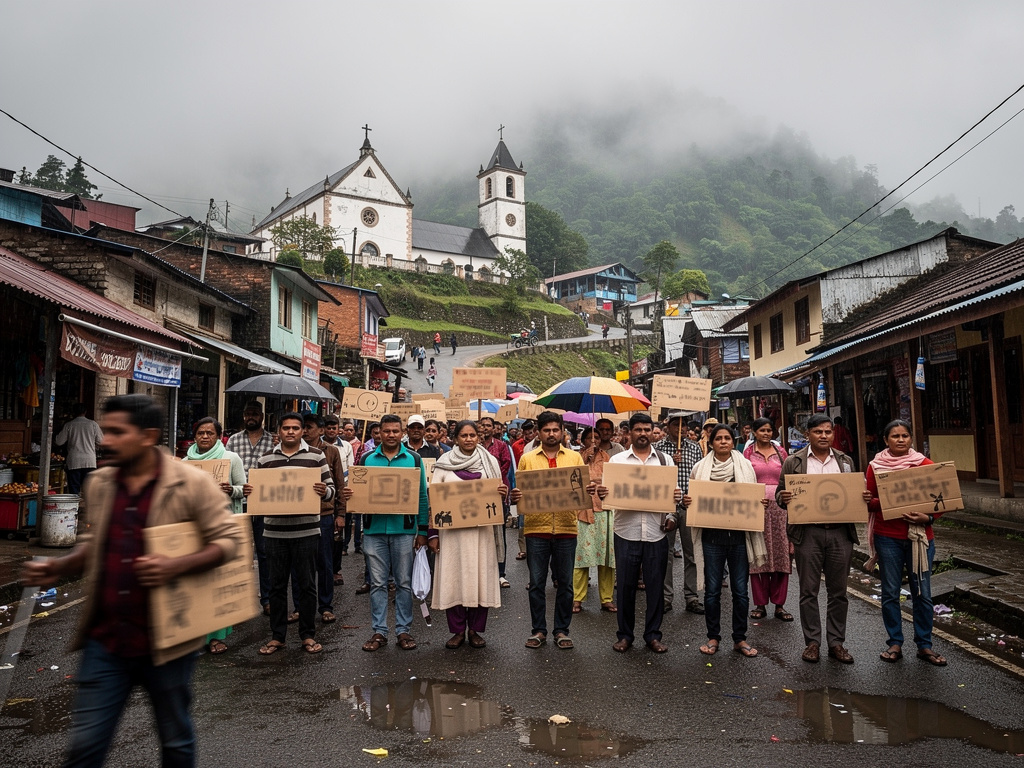
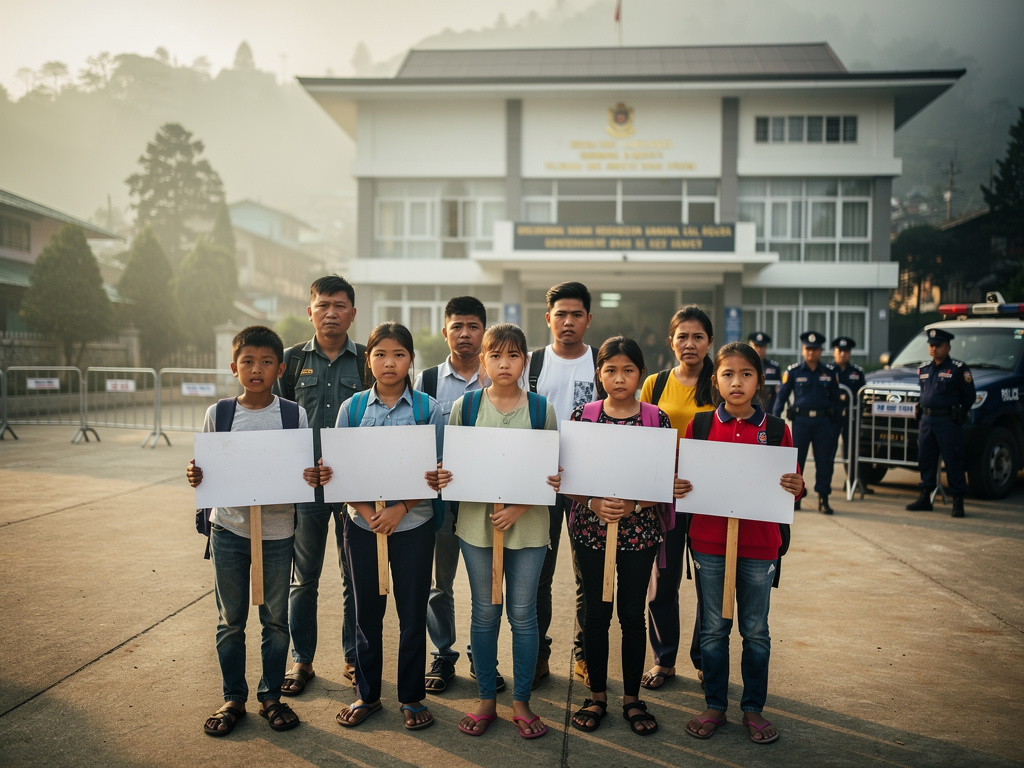
The essay links these concerns to ongoing protests at Jantar Mantar and to the decision by engineer and activist Sonam Wangchuk to begin an indefinite hunger strike on 28 June 2026. It says students and other protesters joined parallel fasts and demonstrations over alleged examination irregularities and recurring paper leaks.
Medical intervention and the question of accountability
According to the essay, Wangchuk was moved to a hospital on 18 July 2026, with references to medical advice and a Delhi High Court direction on intervention if his condition worsened. The author argues that beyond the medical and legal angles, the situation raises a wider democratic question: why citizens must resort to hunger strikes to be heard.
The piece also connects the protests to trust in education. It treats repeated allegations around major examinations as more than administrative failure, and frames them as issues that affect students’ futures. Overall, it calls attention to the need for institutional accountability when large groups feel their concerns are not being addressed through normal channels.