Siliguri Records Hottest Maximum as Sikkim Hills Stay Much Cooler
On 11 August, Siliguri saw a maximum temperature of 35.2°C, while hill towns across Sikkim ranged from about 20.9°C to mid-20s°C.
Temperatures across the Sub-Himalayan belt showed a clear hill-to-plains split on 11 August, highlighting how quickly weather can change over short distances in the region. Based on maximum temperature readings compiled from multiple online forecasts, Siliguri recorded the day’s highest maximum at 35.2°C.
The contrast was sharp in North Sikkim. Mangan reported the coolest maximum of the day at 20.9°C, a gap of more than 14 degrees Celsius compared with Siliguri. Between the plains and the higher hill stations, several towns posted mid-20s readings, following the same altitude-linked pattern.
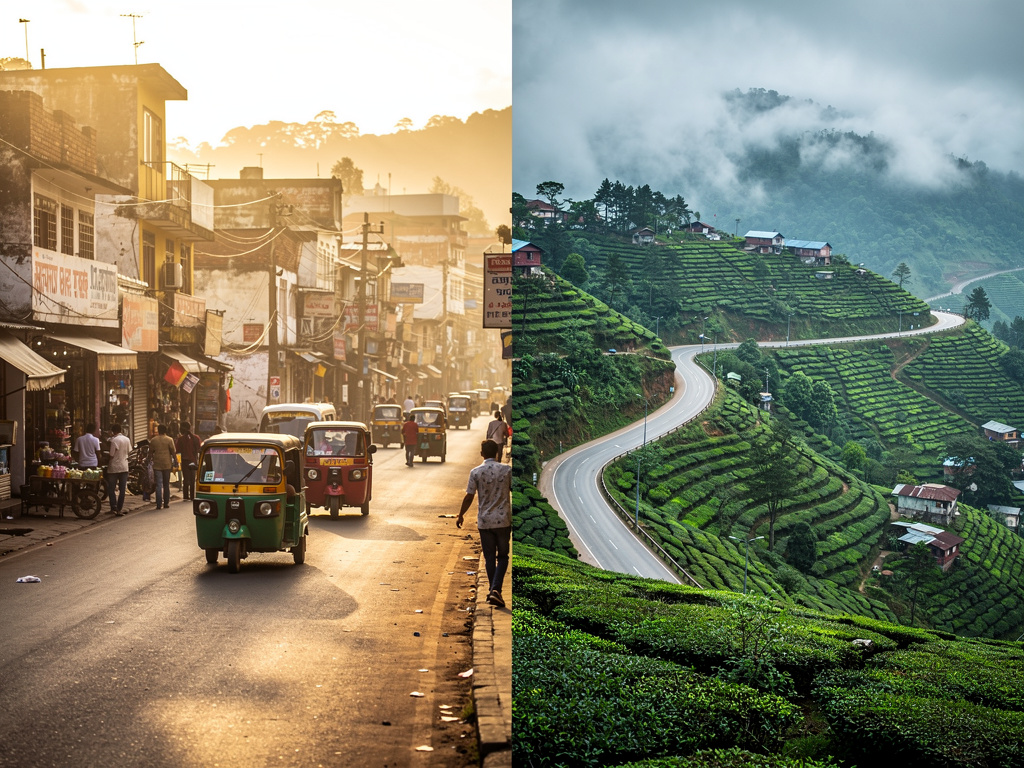
Large temperature differences across nine towns
Other towns included in the comparison showed temperatures spread across the day’s range. Kalimpong recorded 25.6°C, Pakyong 26.7°C, and Namchi 25.0°C. Gyalshing logged 24.8°C, while Gangtok’s maximum stood at 24.1°C. Soreng and Darjeeling were cooler, with maximum readings of 23.6°C and 21.4°C respectively.
Officials and meteorology explanations point to elevation as a key reason. Siliguri sits in the low-lying Terai belt at just over 120 metres above sea level, while places like Gangtok, Darjeeling, and Mangan are well above 1,000 metres. As altitude increases, temperature typically falls by about 6.5°C for every 1,000 metres gained, helping widen the plains-to-peaks difference.
Monsoon clouds and El Niño may add variability
During the monsoon season, denser cloud cover and higher humidity can also shape hill temperatures. Afternoon rain driven by the terrain can keep hill stations cooler and wetter even as nearby plains warmer under clearer intervals. Mid-August is also a period when the Sub-Himalayan monsoon trough is typically active.
Beyond local factors, the report also points to broader climate patterns linked with an El Niño Advisory. El Niño conditions are already present, and forecasters expect strengthening through the rest of the year. Historically, such years can bring warmer than average conditions and more uneven monsoon rainfall across South Asia, including the Eastern Himalayan foothills, which may affect how Sikkim and the nearby Siliguri plains experience temperature swings later in the season.
For residents, health guidance in the report focuses on heat management during peak daytime hours. Hydration and limiting outdoor activity between 11 AM and 4 PM are highlighted, along with light clothing and fresh, home-cooked meals. Adults are advised to carry water and avoid heavy exertion during the hottest period, while senior citizens should take extra care to reduce exposure to afternoon heat.