Study finds giant ancient glacier once covered Arunachal’s Dibang Valley
An international study reconstructs the history of a near-100 km glacier in Arunachal’s Dibang Valley, tracing its growth and retreat over tens of thousands of年
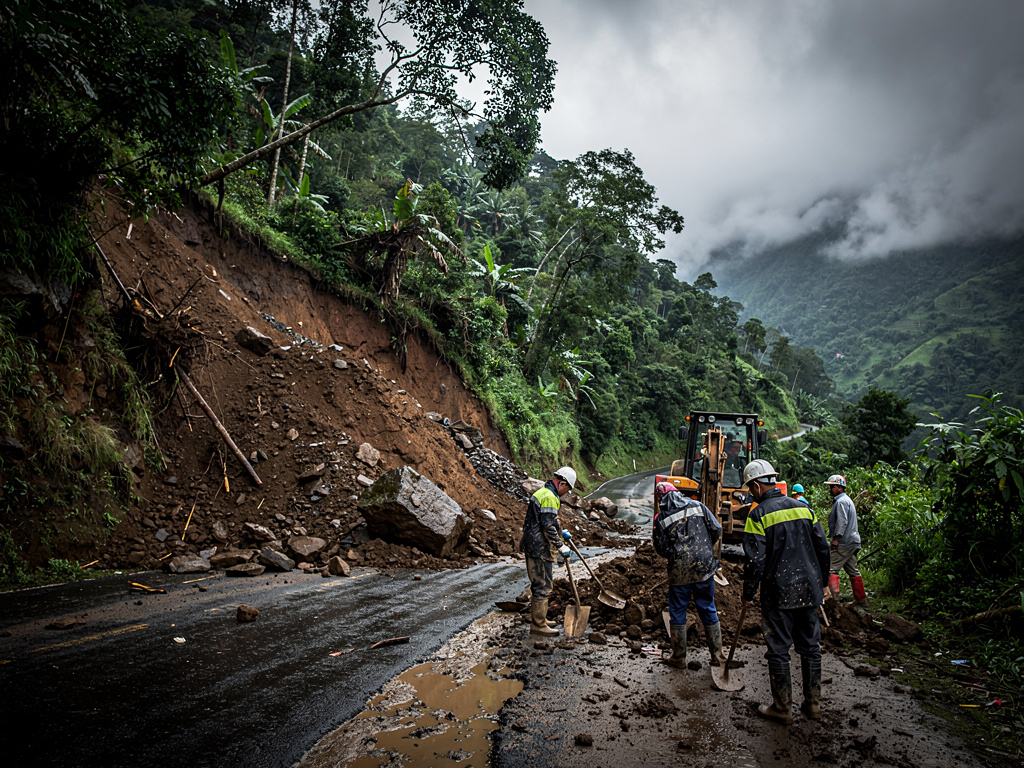
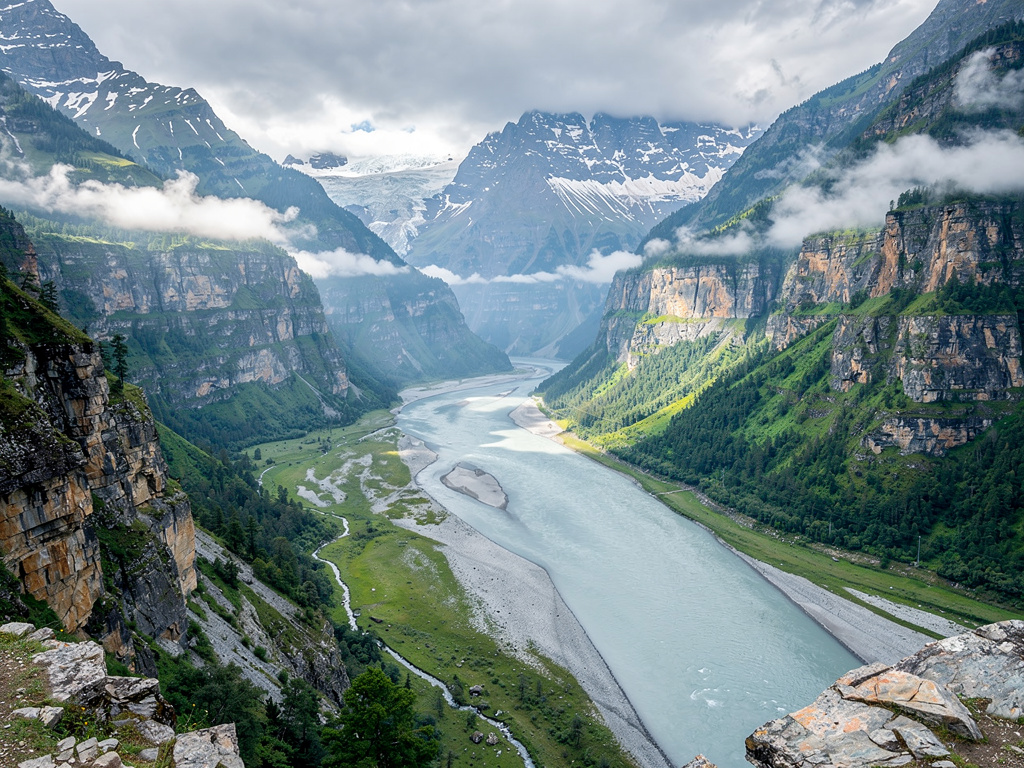
Scientists have reconstructed the history of a huge ancient glacier that once flowed through Arunachal Pradesh’s Dibang Valley. The research describes a glacier that stretched nearly 100 kilometres through the Dri Valley, a part of the Mishmi Hills region near Anini, known for mountain scenery and waterfalls.
The study says the glacier descended to elevations of about 1,300–1,500 metres, which is among the lowest glacier limits recorded anywhere in High Mountain Asia. It adds that the Dri River drains the Dri Valley and is a tributary of the Dibang River in today’s landscape.
Timeline of glacier growth and retreat
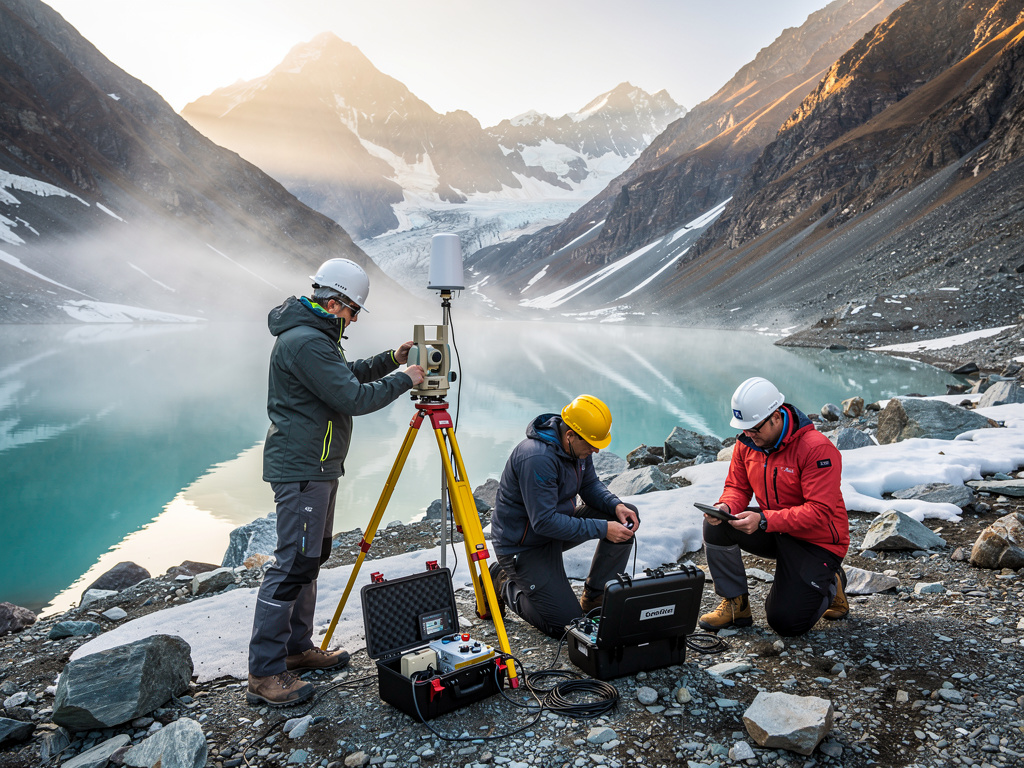
To build a timeline, the researchers analyzed 63 rock samples from the area using cosmogenic beryllium-10 exposure dating. This method helps estimate how long rocks stayed exposed after glaciers pulled back. The work was published in the journal Quaternary Science Reviews.
The results indicate that the Dri palaeo-glacier reached its maximum extent more than 44,800 years ago, and it may have started advancing as early as 58,500 years ago. By around 19,600 years ago, the glacier had already retreated substantially. Later, by about 12,600 years ago, it had withdrawn to the upper valleys, and around 13,300 years ago, even high-altitude cirques near 3,700 metres became ice-free.
Temperature, not just monsoon rainfall
The study also links glacier change to climate drivers in the eastern Himalayas. It says monsoon moisture played a role because colder periods helped moisture fall as snow, supporting glacier expansion. As temperatures rose, more precipitation shifted to rain instead of snow, which reduced ice build-up and sped up ice loss. The authors describe this as a threshold-like response, where relatively small temperature changes could strongly alter glacier behaviour.
Researchers note that the Dibang Valley receives nearly 2,800 mm of rainfall each year, with almost 90 per cent during the Indian Summer Monsoon. They also mention that the basin contains around 219 glaciers covering roughly 200 sq km, making it a major natural laboratory to study how monsoon-fed glaciers respond to warming. The authors argue that the reconstructed chronology can serve as a benchmark for understanding future glacier change in this monsoon-dominated region.