Book review highlights Dara Shukoh’s “what if” story and the rivalry with Aurangzeb
Amit Ranjan’s book explores Dara Shukoh’s life in an eleven-chapter structure, using an epistolary framing and a counterpoint to Aurangzeb to revisit debates on
Amit Ranjan’s latest book, Dara Shukoh: The Faqir and the Throne of Thorns, revisits the long-running Mughal rivalry between Dara Shukoh and Aurangzeb. The article frames the two brothers as more than historical figures, saying that their conflict continues to shape modern debates about pluralism and orthodoxy. In this retelling, Dara is presented as a moral counterpoint to Aurangzeb.
Dara as a “counterpoint” in current debates
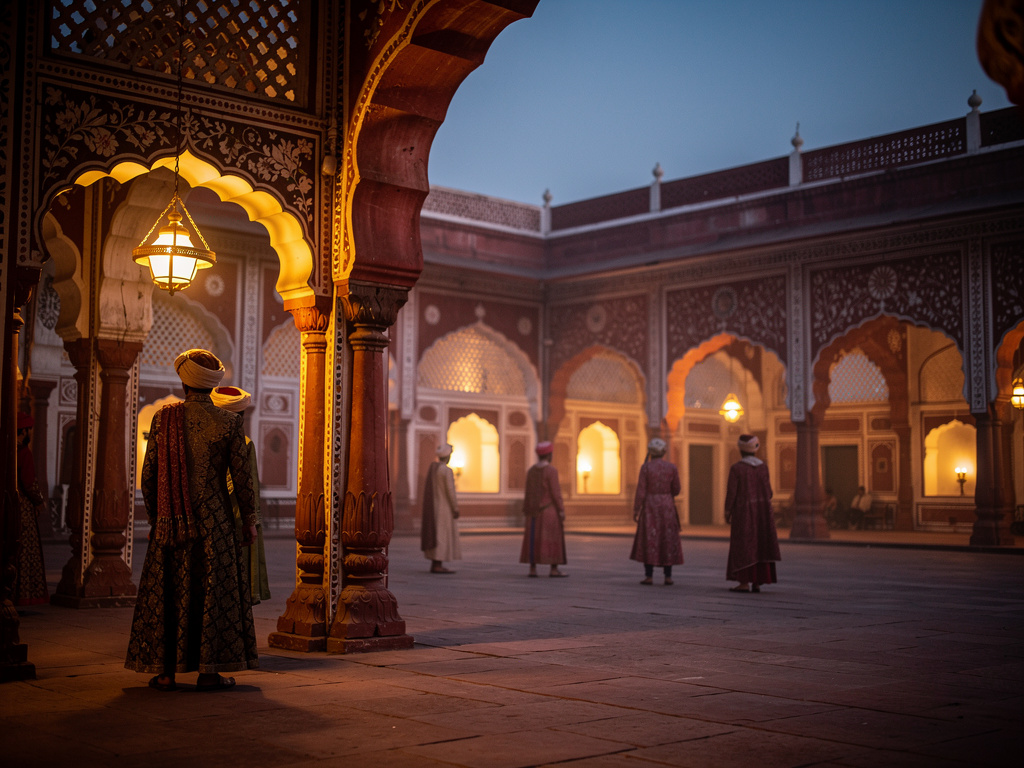
The discussion places Aurangzeb in popular imagination as a symbol of strictness, while Dara is linked to ideas often described as sulh-i-kul, translation, and cultural bridges. The book’s core question is a familiar one in history writing: what if Dara had taken the throne? The text notes that this counterfactual is a powerful prompt, but it can also limit Dara to the role of the story’s central figure rather than making him the only gravitational force.
Released by Penguin Random House and structured across eleven chapters, the book does not follow a straight timeline. The author’s choice to avoid chronology is described as serving the story. Each chapter shifts focus to different people, so the narrative moves like a set of overlapping views rather than one continuous track of events.
An epistolary opening directed to an unmarked grave
One early creative decision stands out: the introduction is written as an address to Dara Shukoh himself. The letter is directed to the site of the prince’s unmarked grave, which the piece says brings the subject closer to the reader. Instead of a distance that often comes with historical narration, the epistolary form uses an intimate voice.
The article also describes the book’s clear leaning toward its hero. It notes a language of two sides, referring to Dara and Aurangzeb through the contrasting labels of a “Crown Prince” and a “Frown Prince.” It says Ranjan’s Dara is approached as a hagiographic portrait, while his Aurangzeb is cast as the villain and rarely softened. At the same time, the text points to a risk: characters can begin to exist mainly in relation to one another, rather than as independent historical actors.