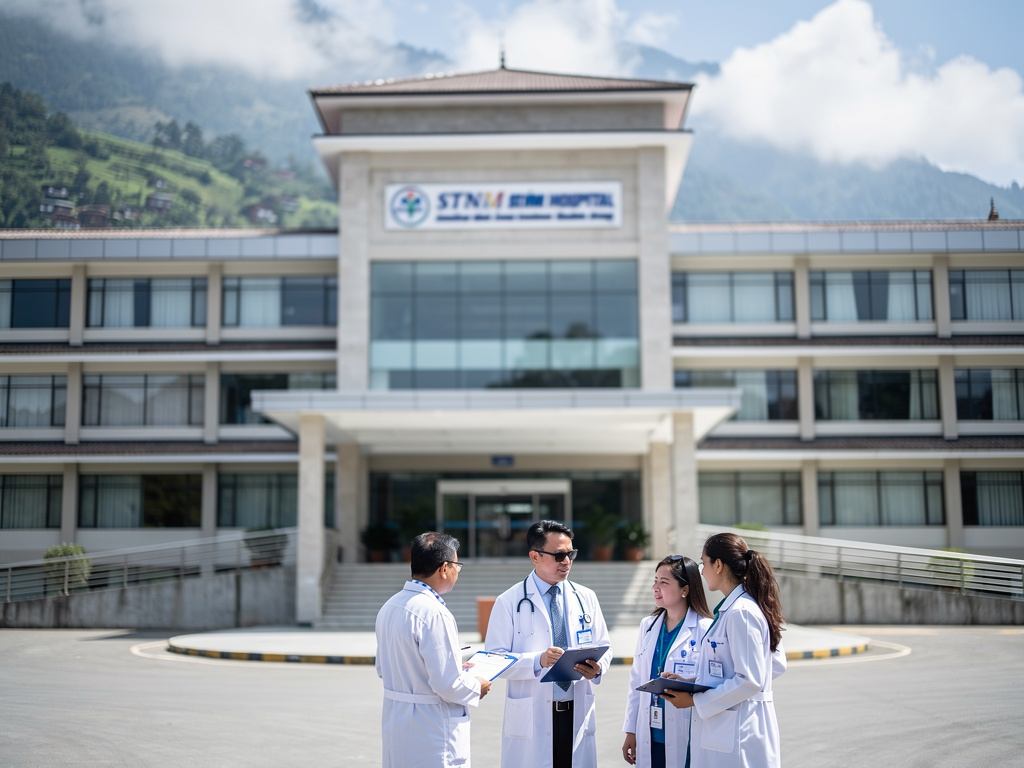
Mizoram seeks advanced food-testing lab as cancer concern links to food safety
Mizoram’s Health Minister met FSSAI to propose an advanced food-testing laboratory to detect chemical threats in everyday food amid the state’s high cancer-bur
Mizoram is dealing with one of the highest cancer burdens in India, and health officials say the response now includes a focus on food safety. The state has recorded the highest lifetime risk of developing cancer among Indian states, with 21.1% in men and 18.9% in women, according to the trend figures cited by researchers and officials.
Officials point to the long-running pattern of increasing cancer incidence and mortality in the state. They say the need is not only for medical care, but also for tighter monitoring of what people eat every day.
Health minister pushes for chemical detection in food
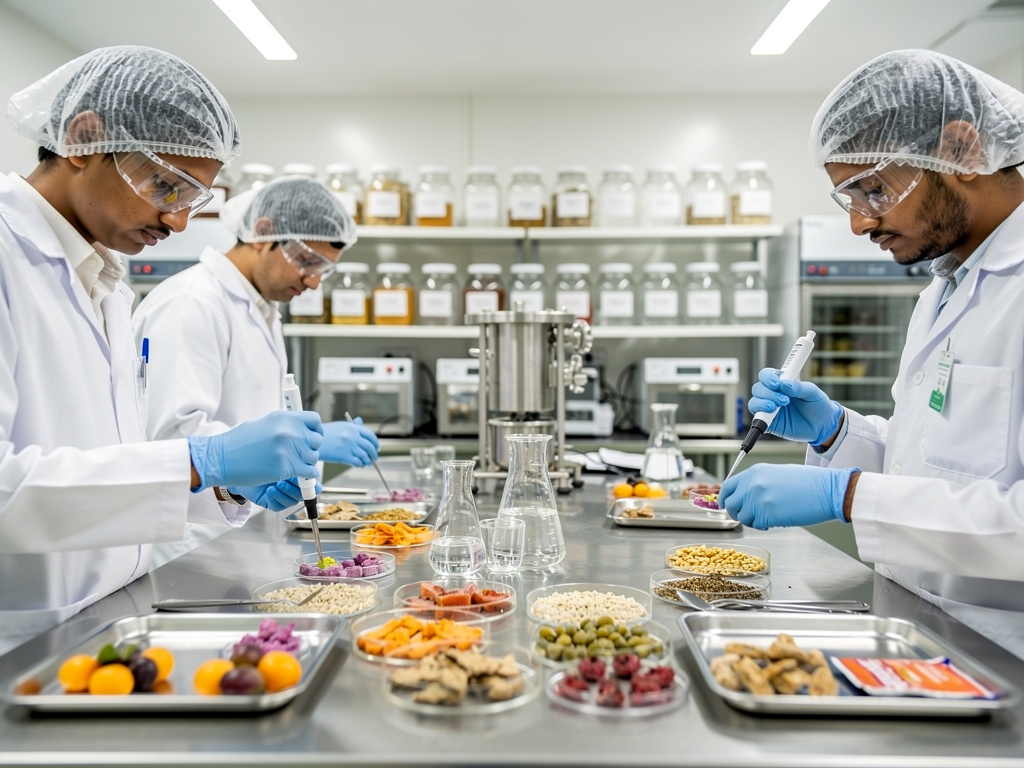
On Monday, Mizoram’s Health Minister Lalrinpuii travelled to New Delhi and met Rajit Punhani, Chief Executive Officer of the Food Safety and Standards Authority of India (FSSAI). The proposal presented in the meeting was to set up an advanced food-testing laboratory that can detect chemical threats hidden in common food items.
According to the request, the current laboratory capacity is not enough for regular, rigorous testing. The plan would support systematic checks of fruits, vegetables and other products, including tests that go beyond routine licensing work to find harmful chemical residues that may otherwise remain undetected.
Food safety seen as one risk among many
Food safety officials also stressed that cancer has many causes. Joint Director of Food Safety Enforcement in Mizoram, F Lalliantluanga, said that unsafe food is among the factors that can contribute to cancer, but cancer can also be linked to tobacco, alcohol, dietary habits, smoked foods, genetic factors and lifestyle.
He described how contamination can happen through everyday items. Fungal growth and moulds can lead to aflatoxins, which are harmful substances linked to liver cancer risks with repeated exposure. He said products such as peanuts, maize, rice, chillies, spices and oilseeds need regular testing. On pesticide residues, he noted that crops may be treated during cultivation and that cleaning alone may not remove all residues, which can build up with prolonged consumption.
Mizoram’s cancer researcher, Dr N. Senthil Kumar, said chemical residue risks could be significant. At the same time, he pointed out that not much research has been done specifically in the Mizoram setting to directly connect pesticide or chemical exposure with the cancer types most common there.