Rare Himalayan bee recorded in Arunachal and may help mountain farmers
Scientists from the Zoological Survey of India report the first Indian record of Colletes bhutanicus and study how the native bee pollinates crops and wild wild
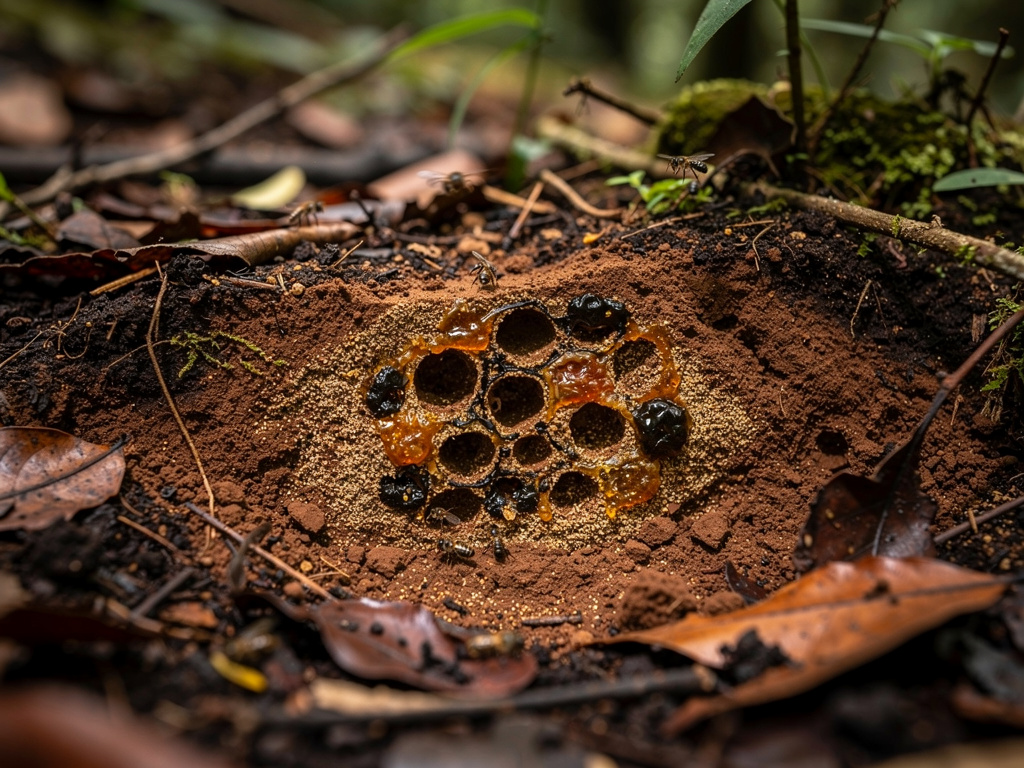
Scientists have reported the first known record of a rare Himalayan bee in India, from Arunachal Pradesh. The Zoological Survey of India (ZSI) identified the insect as Colletes bhutanicus, a solitary “plasterer bee” known earlier from Bhutan and later from China.
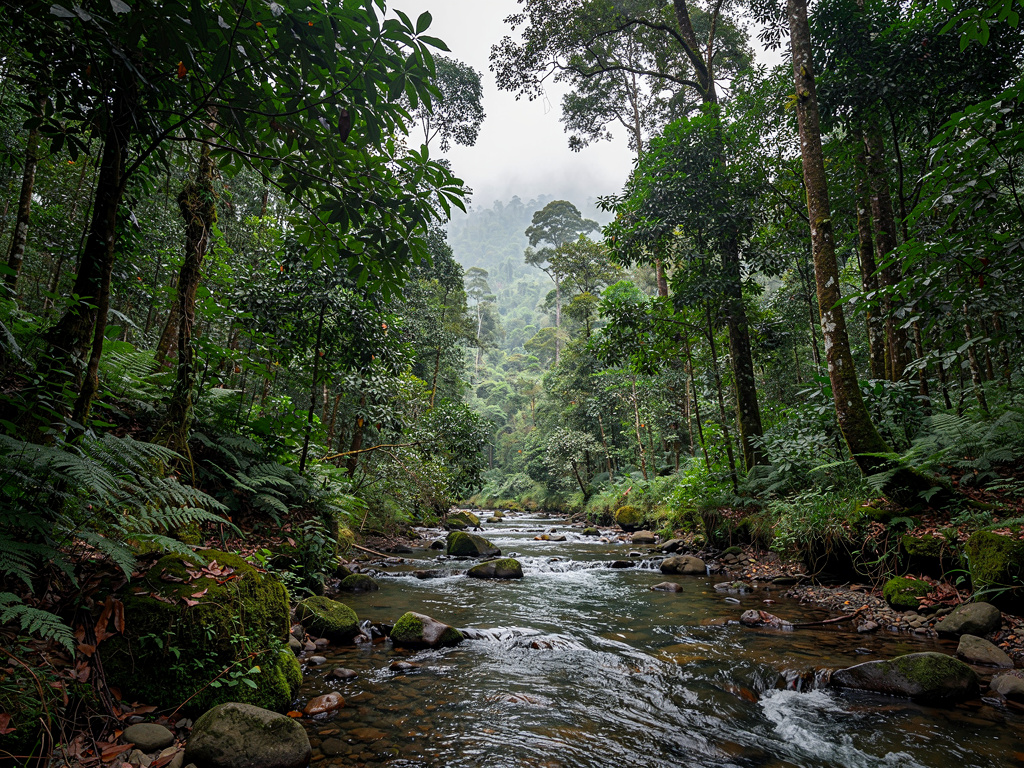
The study reports that the bee was not just a one-time sighting. Field surveys in Arunachal’s Tawang district recorded the species across a wide set of habitats and at different heights. Researchers collected specimens between 2019 and 2022 and then used taxonomic analysis to confirm the identity.
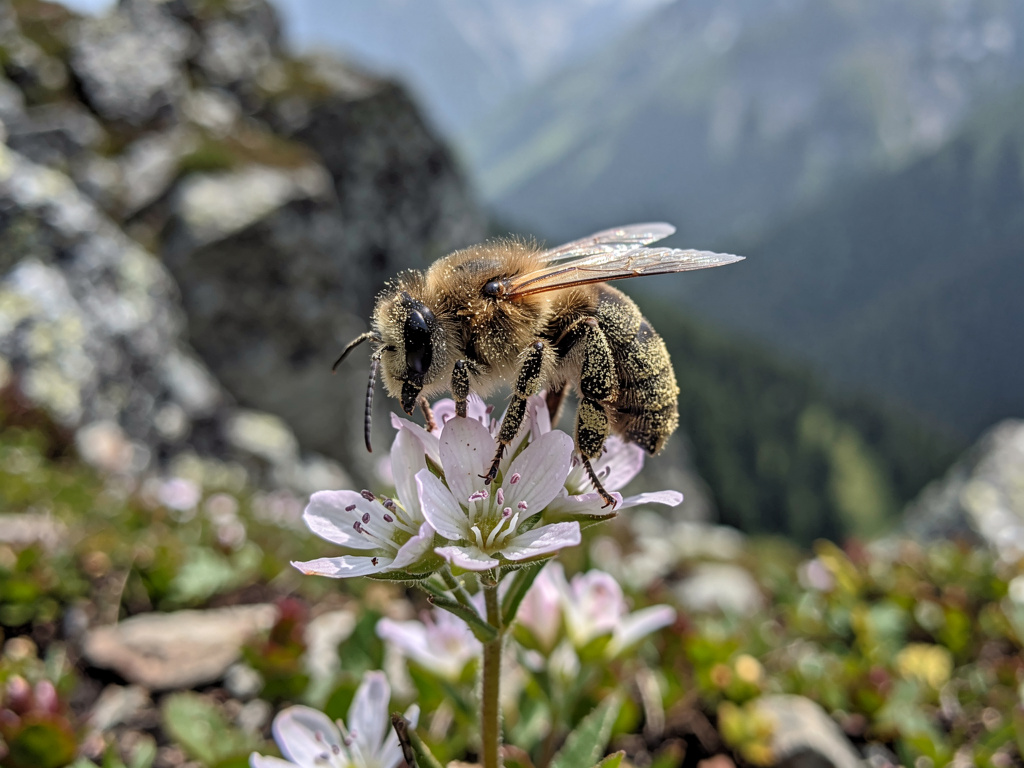
Found across elevations and active for much of the year
During the surveys, Colletes bhutanicus was found to be relatively common among solitary bees in the area. It was recorded at elevations ranging from 1,500 to 3,800 metres. The researchers also noted that the bee stays active from May to November, which fits the seasonal pattern of mountain environments.
The study links this activity to pollination. Researchers documented the bee visiting a broad variety of flowering plants. It was recorded visiting 25 flowering species across 10 plant families, including several crops grown in the region.
Pollination includes mustard, buckwheat and other cultivated plants
According to the findings, nearly 28% of the bee’s floral visits were to cultivated plants, while about 72% were to wild flowering plants. Crops visited included mustard, buckwheat, coriander, beans, chilli and eggplant. The pattern suggests that preserving nearby natural forests could support both wild plant life and farming.
The researchers say the discovery comes as pollinator populations face pressure elsewhere due to climate change, habitat loss and pesticide use. Native pollinators like this solitary bee may offer a more climate-fit option for the Eastern Himalayas, especially in places where honey bees can struggle. The work was published in the International Journal of Tropical Insect Science.