Six-month immersion in Dzongu highlights revival of nettle-fibre weaving
A six-month stay linked to a sustainable nettle-fibre livelihood initiative in Dzongu, North Sikkim, shows how traditional Lepcha weaving is being revived with
In Dzongu, North Sikkim, a sustainable nettle fibre livelihood initiative has been working with weaving centres and forest pathways to revive an older Lepcha practice. The work is tied to the Sustainable Nettle Fibre Livelihoods Project, which is now known as Mutanchi. Over six months, the routine of documentation and collaboration became closely connected to daily life in the area, shaped by both planned sessions and sudden interruptions.
Rebuilding skill through shared work and local rhythms
The immersion began in early February and moved through contrasting days. Some days included conversations at the weaving centre and visits on forest paths for fibre-related work. Other days were affected by weather and emergencies, including heavy monsoon rains, nighttime disruptions from a forest fire, and even an unexpected encounter with a large snake at the centre. Despite these disruptions, the community continued to gather, and weaving remained part of the shared schedule.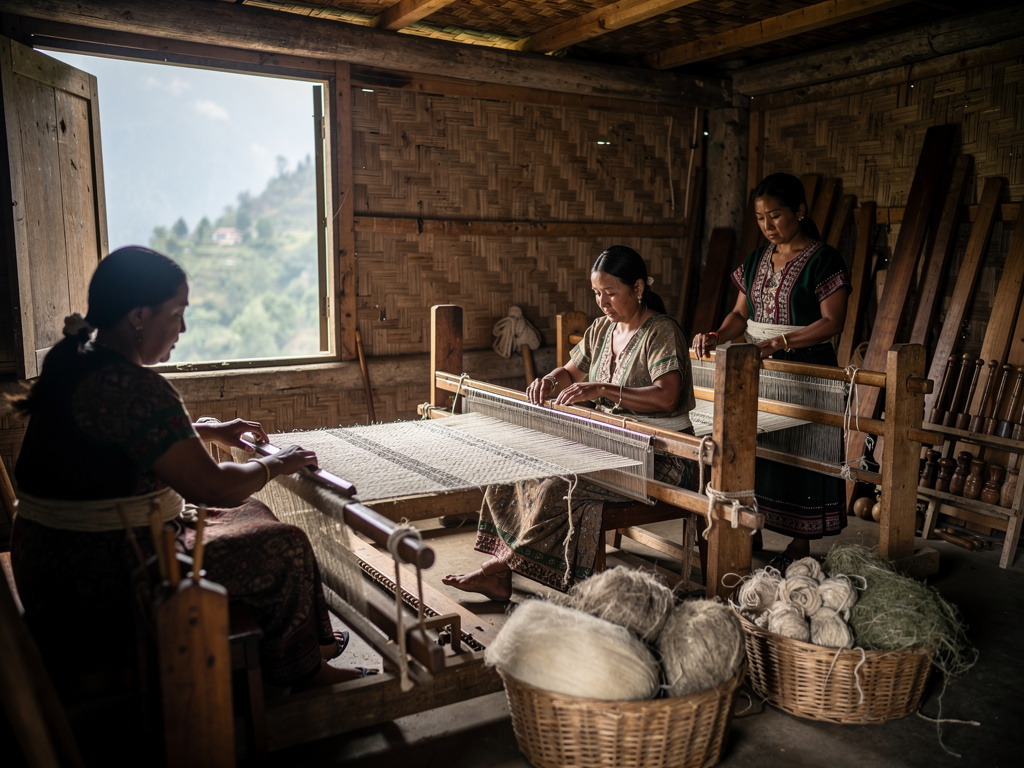
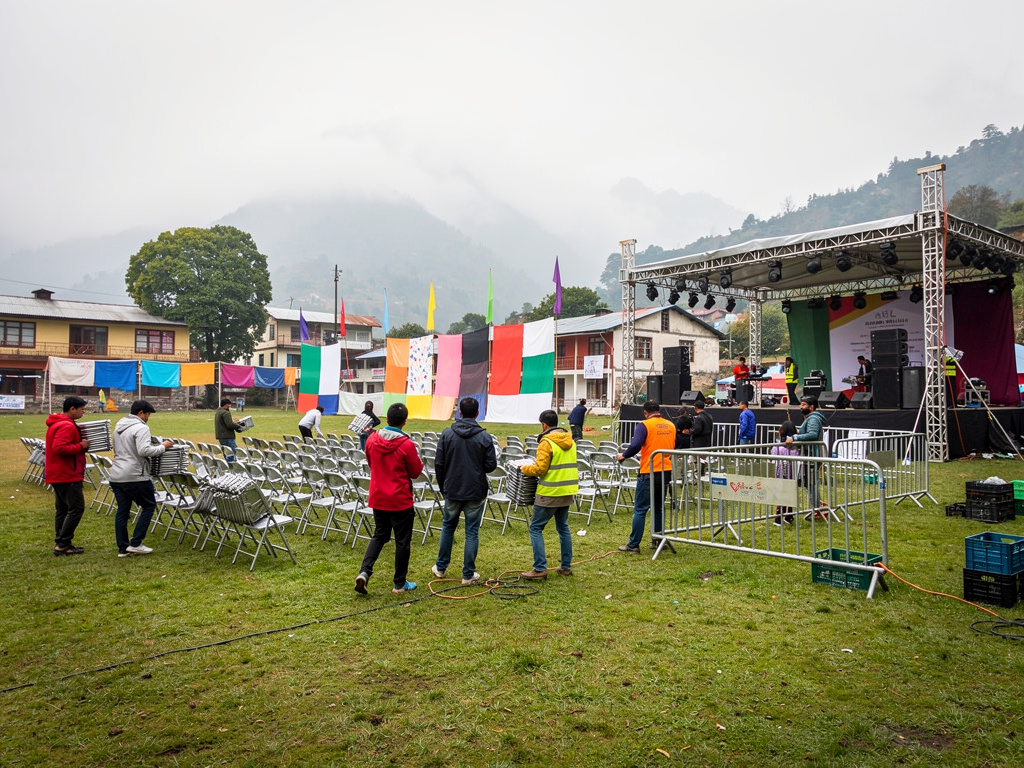
Beyond the weaving, the project’s calendar overlapped with community events. Weddings, funeral services, and prayer ceremonies such as Bumkor puja kept the same faces and hands involved over time. The work also placed emphasis on how knowledge is passed on. Women who weave are not only producing textiles, but also rebuilding confidence in a skill that had nearly faded from everyday memory.
Why handmade nettle textiles take time
A key part of the experience was seeing the full chain behind each finished textile. Nettle is collected from the forest, fibre is prepared through careful labour, yarn is spun by hand, and cloth is then woven over days or weeks. Rather than treating output like a fast production cycle, the initiative follows a pace influenced by harvest timing, road conditions, and when community members are available.Questions about cost also came up during the work. The initiative responds to the idea that factory-made clothes are judged mainly by price. Handwoven nettle textiles, on the other hand, are linked to labour, cultural knowledge, and nature, and the value of the product is tied to the time and relationships involved in making it.
There is also an attempt to protect the focus of the programme as it reaches wider platforms. The project’s participation in Bharat Tex 2026 highlighted a contrast between local, quiet storytelling and faster commercial environments. For those involved, the goal remains community-led growth—training new artisans, maintaining quality, and sourcing raw materials—so the livelihood continues without losing its roots in Dzongu.