National Handloom Day spotlights SwitchON Foundation’s support for rural women weavers
On National Handloom Day, SwitchON Foundation highlights its Udyamini project, which trains and supports rural women entrepreneurs across Assam and West Bengal,
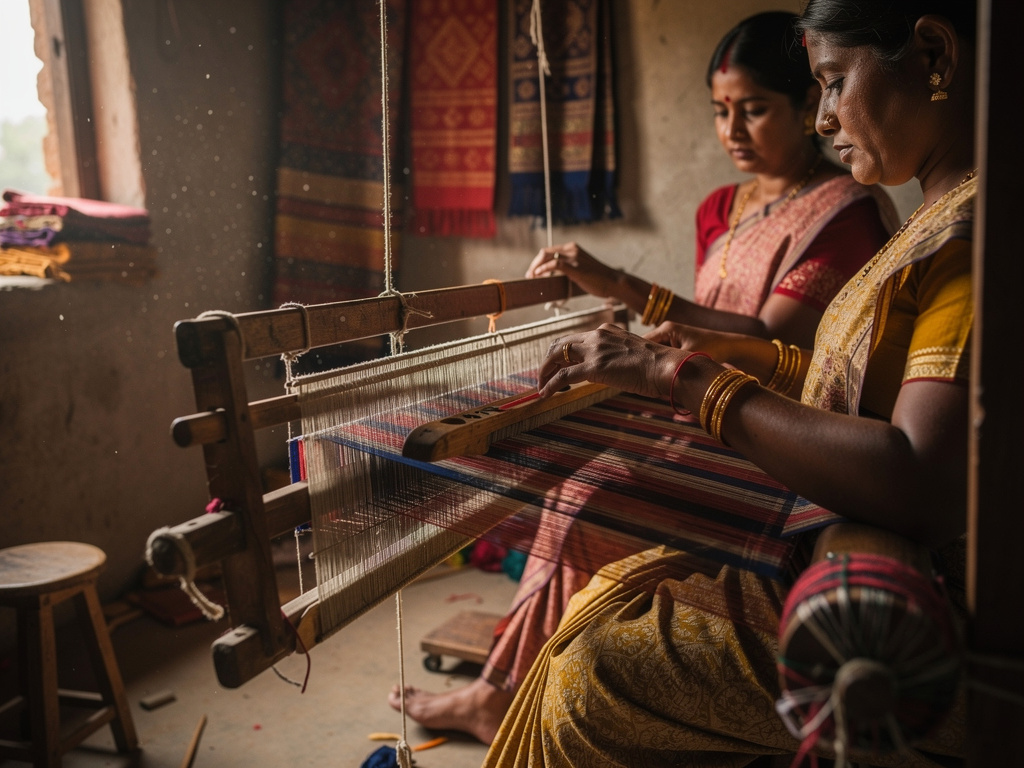
National Handloom Day is observed every year on 7 August to recognise India’s weaving traditions and the communities behind them. In many rural households, weaving skills are passed down through generations. However, for many women, earning fairly for their work has been a long-standing challenge.
SwitchON Foundation says its work with rural women entrepreneurs across eight states focuses on turning traditional skills into steady livelihoods. The organisation links skill-building with business support, so women can move beyond only weaving and also build and run enterprises.
Udyamini project links skills to business growth
The foundation’s Udyamini initiative is a four-year programme running from 2023 to 2027. It is implemented by five Indian non-profits, with support from technical partners. The initiative is designed to create an ecosystem for rural women entrepreneurs, including those working in digital, handloom, livestock, agriculture and allied industries, and tea value chains.
SwitchON Foundation highlights that many women already know how to weave, but often faced low pay through middlemen or limited opportunities to sell directly. The programme aims to address this by helping women’s producer groups and by supporting organised handloom enterprises that can negotiate and access buyers more effectively.
Training covers quality, finance, and scaling
The support is not limited to weaving practice. SwitchON says training begins with weaving techniques, quality control, and product finishing. Women also take refresher training to strengthen existing skills, along with sessions on entrepreneurship development and scaling for women whose businesses are already established.
To help participants manage day-to-day work, the programme includes training on financial literacy and bookkeeping, as well as packaging and quality maintenance. The foundation also points to changes beyond income, including increased confidence in public spaces, leadership within producer groups, and representation at exhibitions. Through the approach, women who were once largely focused on household work are described as gaining roles as entrepreneurs and community leaders.