Study in Assam’s Raimona National Park Finds Invasive Plants Supporting Butterfly Nectar
A study from Bodoland University says invasive weeds in Raimona National Park help sustain butterflies by providing nectar and larval host plants.
Butterflies in Assam’s Raimona National Park may be benefiting from plants that are often treated as ecological threats. A study by researchers from Bodoland University reports that two invasive species, Lantana camara and Chromolaena odorata, can provide nectar for butterflies when native flowers are not widely available.
The research focused on the Raimona National Park area in the Bodoland Territorial Region. It recorded a total of 220 butterfly species, along with 56 larval host plants and 41 nectar plant species, showing that the park supports a wide range of butterfly life stages.
Invasive weeds linked to year-round nectar supply
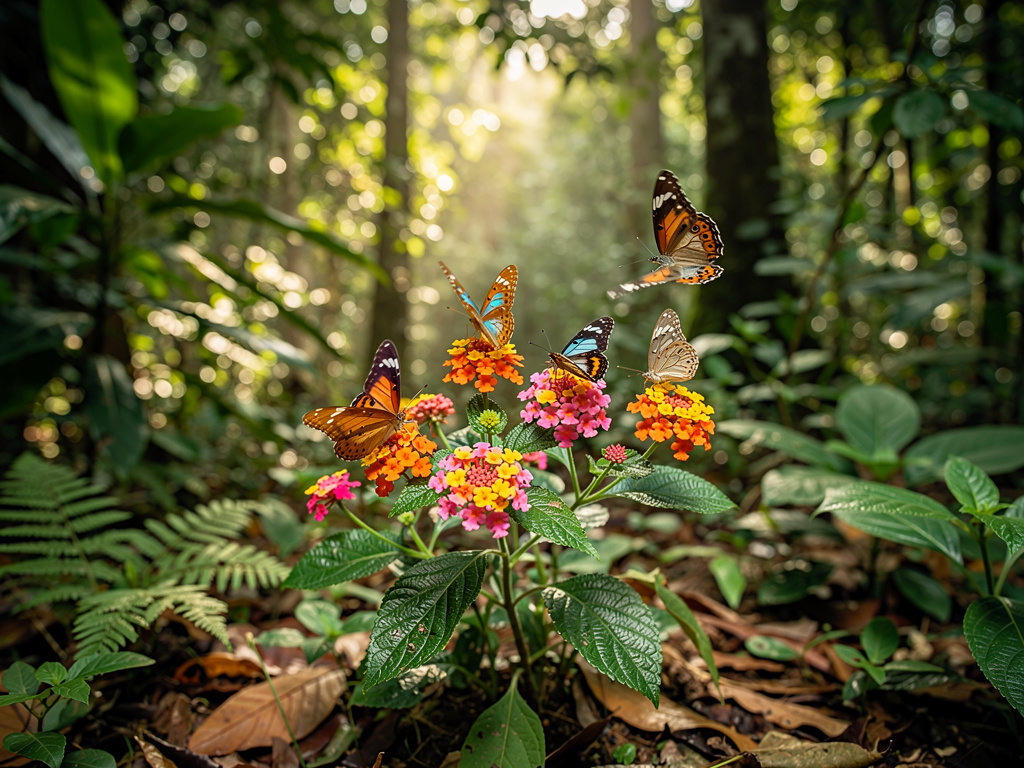
One of the key findings is seasonal use of nectar from these invasive plants. Lantana camara drew more than 30 butterfly species between April and October. Chromolaena odorata supported over 24 species between December and February. The study says the longer flowering periods of both plants help provide nectar during times when native flowering plants are scarce.
The researchers also describe how Lantana’s flower clusters appear especially attractive. They noted that the colourful clusters can change colour as they age, which may influence foraging butterflies during the flowering months.
Beyond nectar: some invasive plants help caterpillars
The study adds that invasive species are not only used for adult feeding. Several of the recorded invasive plants also acted as larval host plants, meaning they support butterfly development from caterpillar stage to adult. Along with Lantana and Chromolaena, the researchers mention Ziziphus mauritiana as another plant that was found to be part of the butterfly-supporting plant network in the park.
Rather than recommending invasive plants be allowed to spread without control, the study suggests a more balanced approach. It calls for retaining small, carefully managed patches of these species in suitable areas of protected sites, while ensuring they do not overwhelm native vegetation. The study is described as the first from India to show that invasive plants commonly labelled as weeds can also play a significant role in sustaining butterfly populations.