Meghalaya targets full HIV treatment coverage, but stigma and follow-up hurdles persist
Meghalaya health officials say HIV-related stigma is discouraging some people from starting or continuing antiretroviral therapy, even as the government drafts—
Meghalaya’s push to reach 100% antiretroviral therapy (ART) coverage is facing a major social challenge, health officials said. They pointed to stigma around HIV/AIDS and reluctance among some people living with HIV to come forward for treatment.
Officials said stigma can lead people to discontinue ART or become hard to reach after they test positive. The issue also affects follow-up, they added, because addresses and contact details collected during testing are not always enough for the health system to contact patients later.
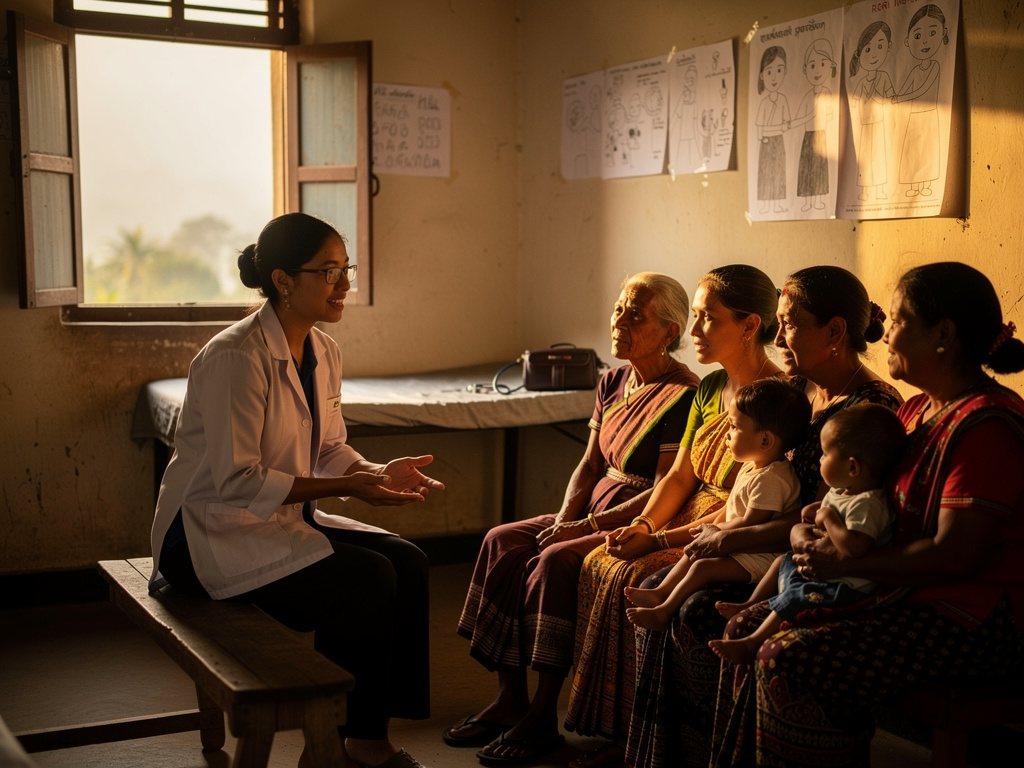
New plan focuses on rural services and follow-up support
State Health Minister Wailadmiki Shylla said the government is preparing a five-year plan to strengthen HIV testing and treatment services, with a focus on rural areas. He acknowledged that access to ART centres can be limited in parts of the state.
According to the minister, the plan aims to expand both testing and ART centres and also strengthen manpower for HIV programmes. He said the Cabinet has already approved the plan and funds are available to expand services. However, officials stressed that expanding infrastructure alone will not solve the problem if people do not seek care.
Privacy, confidentiality and community outreach
To tackle barriers beyond healthcare capacity, the state plans to intensify information, education and communication efforts. Shylla said an intensified campaign will encourage people to come forward for testing and treatment. The government is also engaging with networks representing people living with HIV to understand the reasons people avoid services.
Officials highlighted that HIV-related information is covered by government policy on privacy and confidentiality, and cannot be disclosed. Still, fear of stigma remains a reason some people hesitate. Shylla also said the HIV programme does not face a major constraint from a shortage of doctors at every stage, and that the government is working on making testing and treatment more comfortable and accessible, particularly for those who fear being identified.
He added that community-level support is needed, saying the responsibility cannot fall only on legislators, and collective action is required to create an accepting environment for people living with HIV.