Scientists find three new cascade frog species in India’s Northeast, one named for Kerala social worker
A long study of forests and fast-flowing streams has identified three new cascade frog species in Tripura, Nagaland and West Bengal, including one named after a
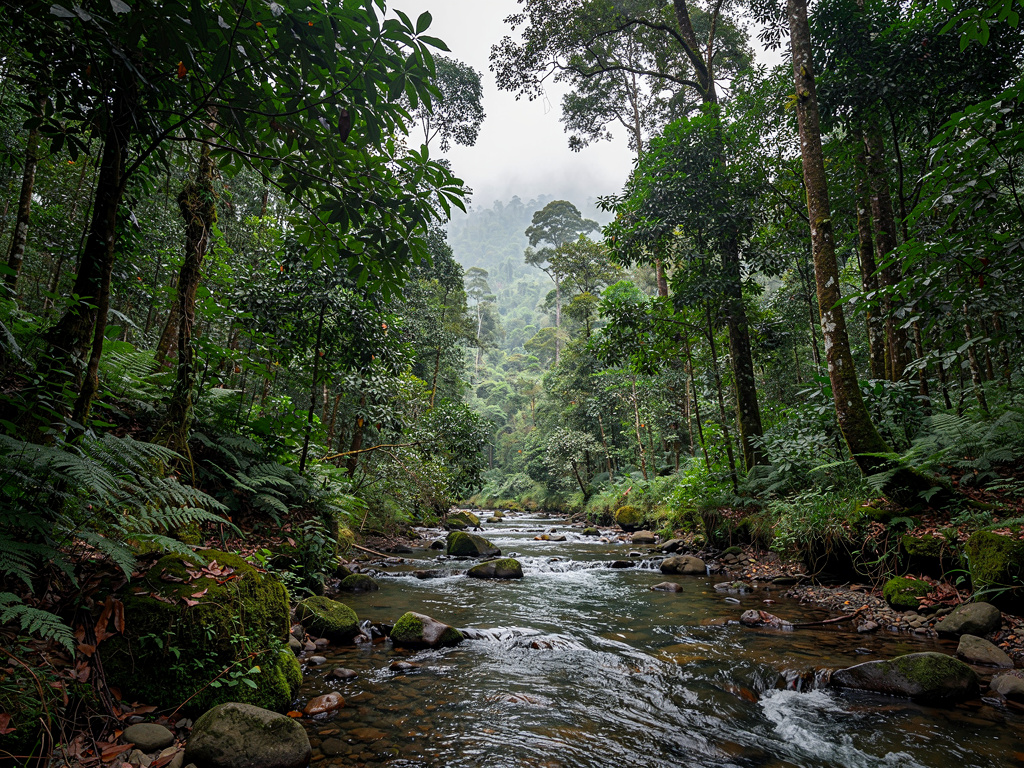
Scientists have reported the discovery of three new species of cascade frogs in Northeast India after a long search across forested areas and fast-flowing hill streams. The study describes how researchers explored mountainous regions and documented many populations of these frogs before confirming that several were unknown to science.
The findings come from fieldwork across Tripura, Nagaland, and West Bengal, and are published in the Bulletin of the Museum of Comparative Zoology. The paper also mentions five cascade frog species that had not previously been recorded from India. Researchers say the results add to evidence that the Northeast still contains important pockets of undocumented wildlife.
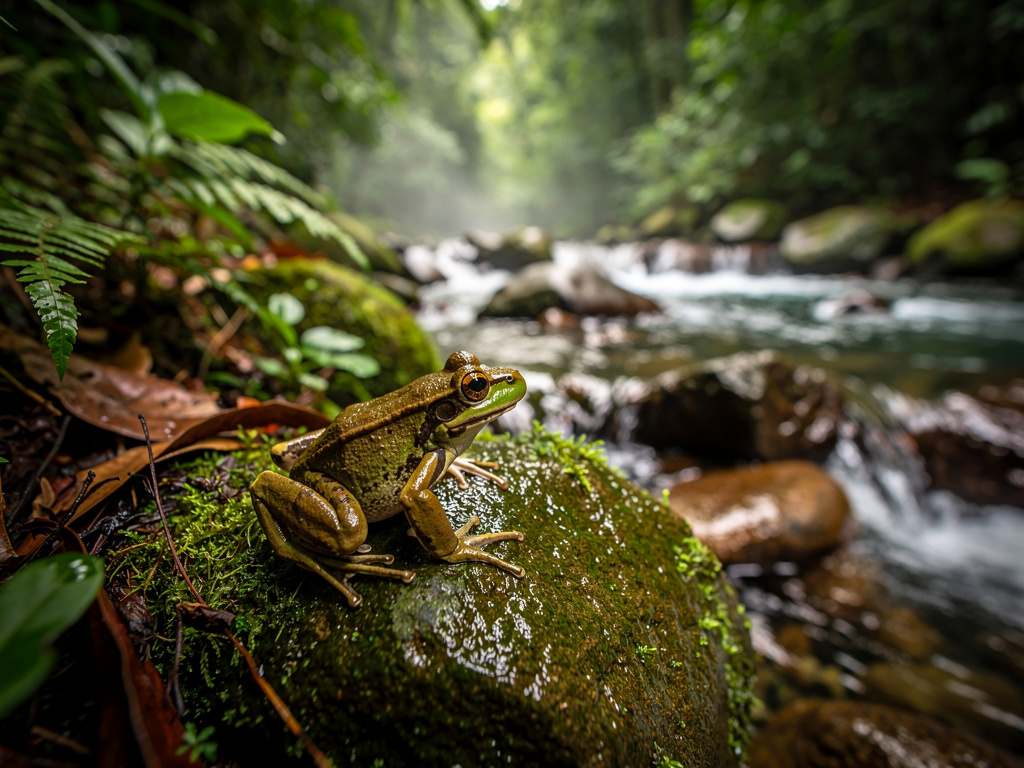
New species belong to Amolops genus
The newly identified frogs are from the genus Amolops, which are often found around rocky waterfalls and strong forest streams. The researchers led by University of Delhi professor S. D. Biju reported that they spent more than 15 years surveying all seven states of the Northeast. During that period, the team documented more than 300 geographic populations of cascade frogs, and later used DNA analysis along with careful study of adult frogs and tadpoles to separate new species from known ones.
One of the new species, Amolops ammachi, was discovered in Tripura’s Jampui Hills. The frog is named in memory of Padmini Varkey, a Kerala social worker and philanthropist who was widely known as “Ammachi.” The researchers said her work and compassion inspired the name.
Species named for villages and appearance
In Nagaland, the team identified Amolops sendenyu, a cascade frog named after Sendenyu village, where it was found. In West Bengal, they described Amolops bella, also called the “Beautiful Cascade Frog,” named for its green body and mosaic-like patterns. The study describes the newly identified frogs using physical traits along with genetic evidence to support the species-level distinction.
The paper also looks at the history of how cascade frogs may have spread and diversified across Asia. Based on DNA-based dating, the researchers report major diversification around the Eocene–Oligocene transition period, and suggest that colonisation may have moved in multiple waves from east to west.