SSACS marks International Youth Day with HIV/AIDS awareness and testing drive
Sikkim State AIDS Control Society observed International Youth Day with a bike rally, students’ march, and an awareness programme at Ridge Park featuring HIV -c
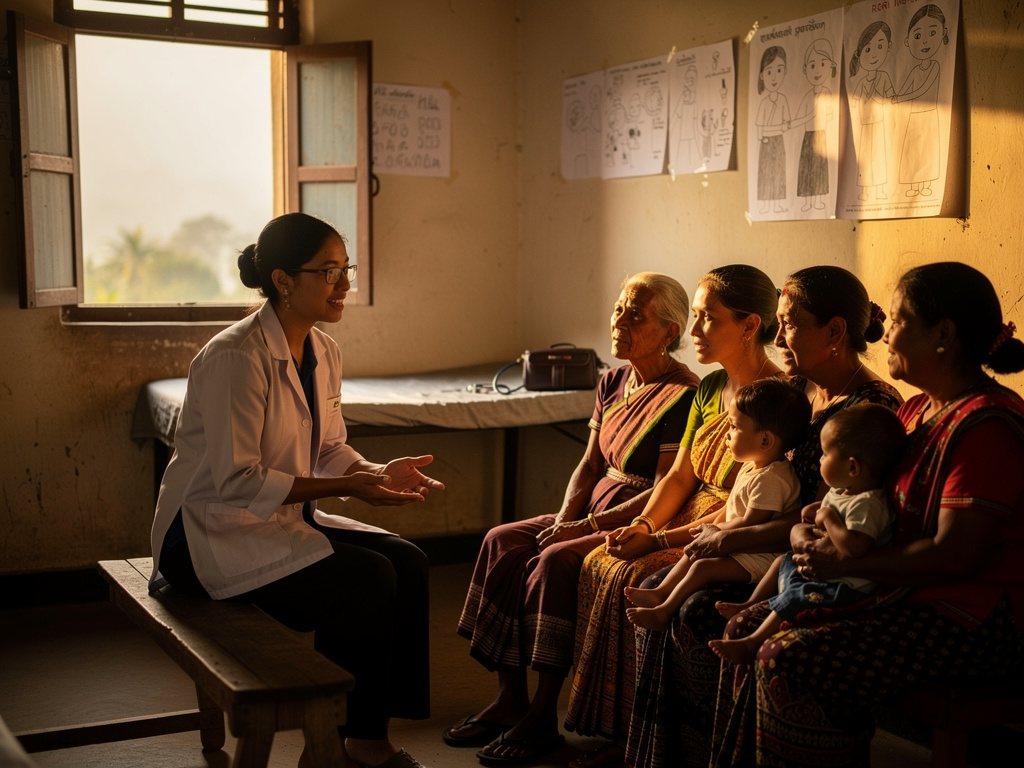
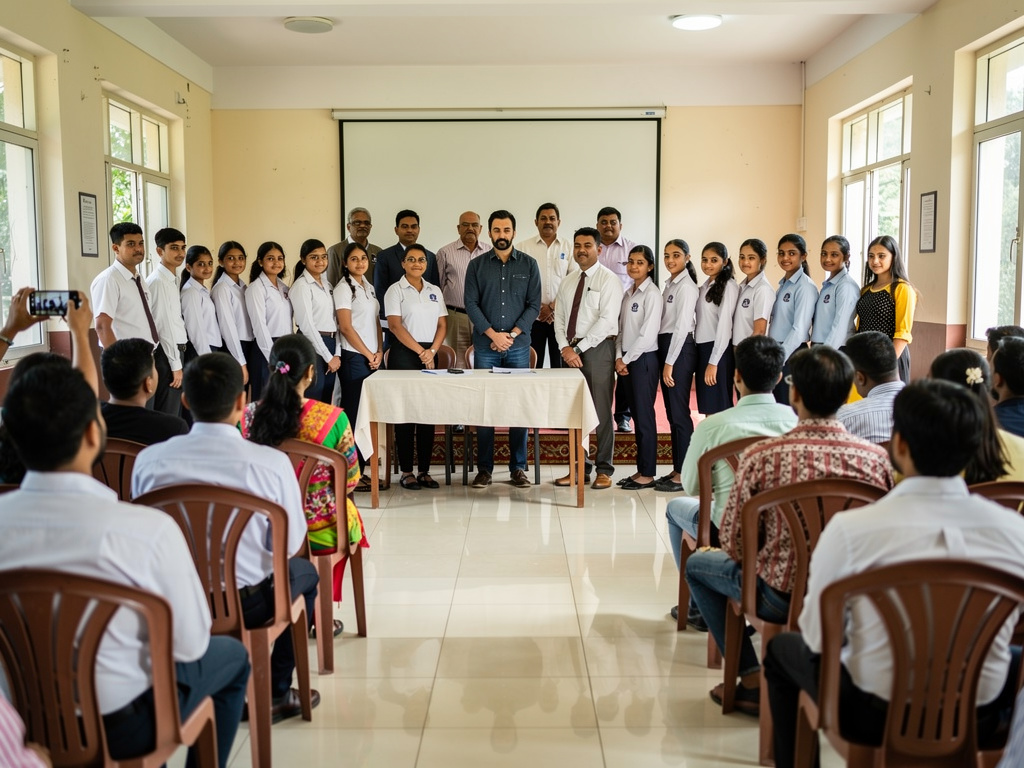
The Sikkim State AIDS Control Society (SSACS) observed International Youth Day on Wednesday with activities aimed at spreading HIV/AIDS awareness and encouraging inclusivity among young people. The programme was held under the theme “Let Us Participate, Not Discriminate”, focusing on reducing stigma and discrimination around HIV.
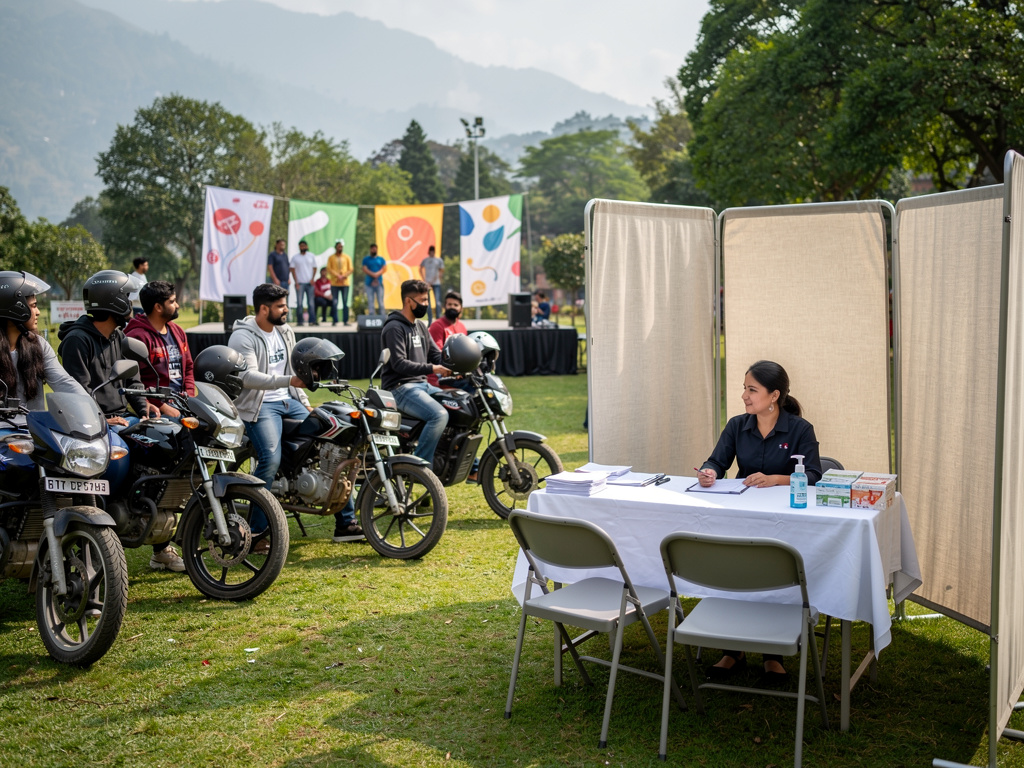
As part of the observance, a bike rally was organised from Ranipool to Ridge Park. The rally was flagged off by Health Minister G.T. Dhungel. Organisers said the ride was meant to highlight HIV prevention, the importance of testing, and the need to remove negative attitudes linked with the disease.
Rallies, camp and counselling at Ridge Park
A students’ rally was also conducted from Zero Point to Ridge Park, with students taking part to promote youth involvement in the fight against HIV/AIDS. At Ridge Park, the event included a blood donation camp and HIV testing and counselling services, along with musical performances and an interactive awareness session.
Participants were informed about HIV prevention, early diagnosis, and treatment. The programme also emphasised the role of support from the community for people living with HIV, including the message that individuals should not face discrimination.
Police chief highlights prevention and treatment advances
Sikkim’s Director General of Police (DGP) Akshay Sachdeva, who attended the event as the chief guest, spoke about the causes of HIV and the need for preventive steps to help reduce spread. He pointed to advances in HIV medication and said timely diagnosis and continued treatment allow people living with HIV to lead healthy lives.
In media interactions, SSACS Project Director Diki Wangmu Phempu said the state has run a two-month intensive Information, Education and Communication (IEC) campaign. She said the campaign is designed to share accurate information on transmission, prevention, testing and treatment, and to address misconceptions that contribute to stigma. Phempu added that sustained awareness efforts are needed so more people come forward for testing and counselling and the wider society remains supportive.