Nagaland University study links seasonal climate shifts to soil biology in Assam tea gardens
A Nagaland University-led study says seasonal climate variations affect soil microbes and enzyme activity in Assam tea estates, offering insights for more soil-
Researchers from Nagaland University have reported that seasonal changes in weather can strongly affect the biological health of soils in Assam’s tea plantations. The study focuses on how climate variability influences soil microbial communities and soil enzyme activity, two key parts of the soil system that help support fertility and nutrient cycling.
The research team studied five representative tea estates in Jorhat and looked at changes across multiple seasons from 2016 to 2019. They carried out microbiological and biochemical assessments to track bacterial and fungal communities, along with measurements of enzyme activity linked to biological processes in the soil.
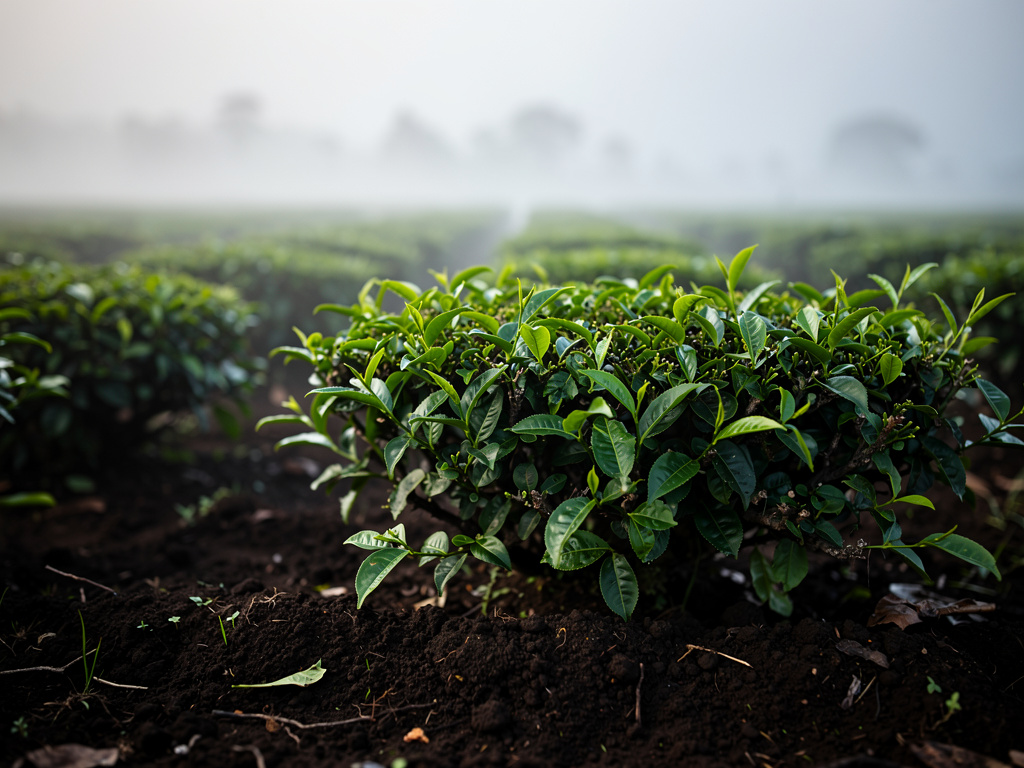
Climate-driven changes observed in soil microbes and enzymes
The paper, published in the journal Environments, examined how climatic factors relate to soil biology. The study found strong positive links between the abundance of soil microbes and enzyme activity. In simple terms, when conditions shift seasonally, microbial populations and enzyme-driven activities also change in ways that reflect the health of the soil ecosystem.
The analysis used statistical tools such as correlation checks, clustering and principal component analysis (PCA) to understand patterns in the data. The researchers reported that more than 80% of the variation in the biological results could be explained by the first three principal components. They also used hierarchical clustering to group tea estates based on their microbial and enzymatic characteristics, suggesting that soil biology can act as a sensitive indicator of environmental change.
Possible use for monitoring and climate-resilient farming
The team said their results could help improve soil health monitoring using biological indicators rather than relying on physical measures alone. They also suggested that the findings may support climate-resilient approaches for tea cultivation, including better planning of nutrient management and cultivation practices.
Nagaland University Vice-Chancellor Prof Jagadish Kumar Patnaik said the study offered useful insights into how climate variability influences microbial communities and biological health in Assam tea soils. The study highlights the need to understand soil biology in the context of changing weather, especially as tea productivity and quality face growing pressure from climate-related variability in Northeast India.