New Stingless Bee Species Found Underground in Nagaland’s Wokha Forests
Scientists report a new stingless bee species from Nagaland’s Wokha district. The bee, Tetragonula yikhumensis, lives nearly seven feet underground and forms “p
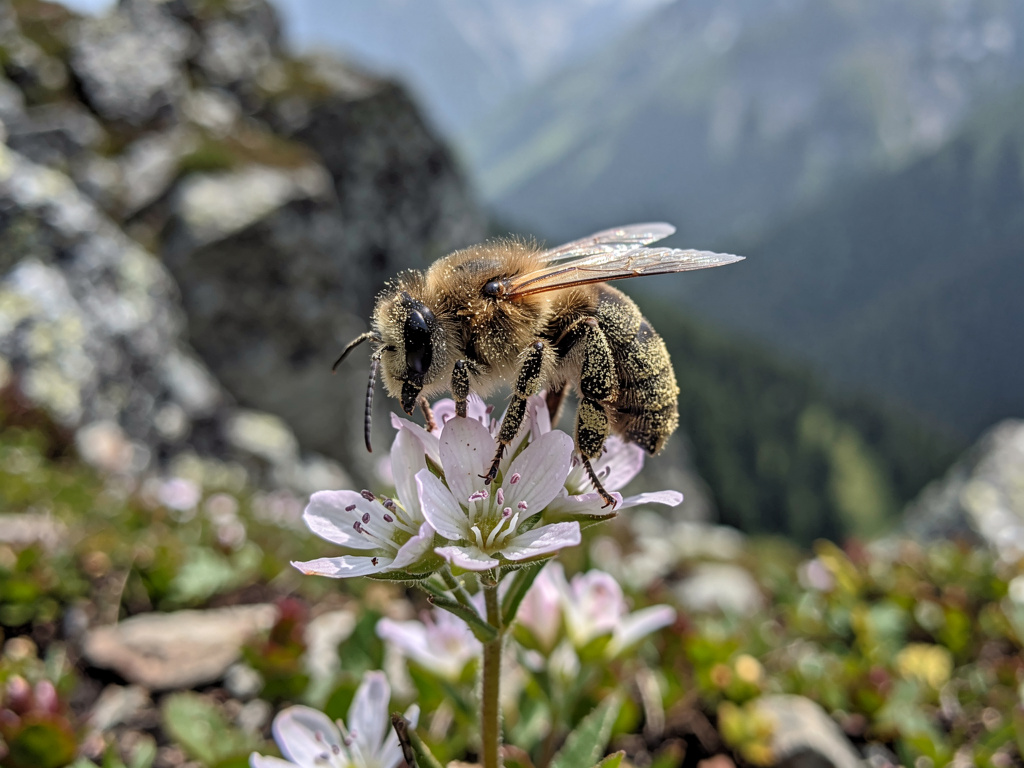
Scientists have discovered a new species of stingless bee in Nagaland’s Wokha district. The bee was found about seven feet underground, in colonies that remained unknown to science until recent field work.
The species has been named Tetragonula yikhumensis, after Yikhum village, where it was first recorded. Researchers say it is the largest stingless bee species recorded in India and only the second underground species of its kind known from the country.
Colonies built like underground chambers
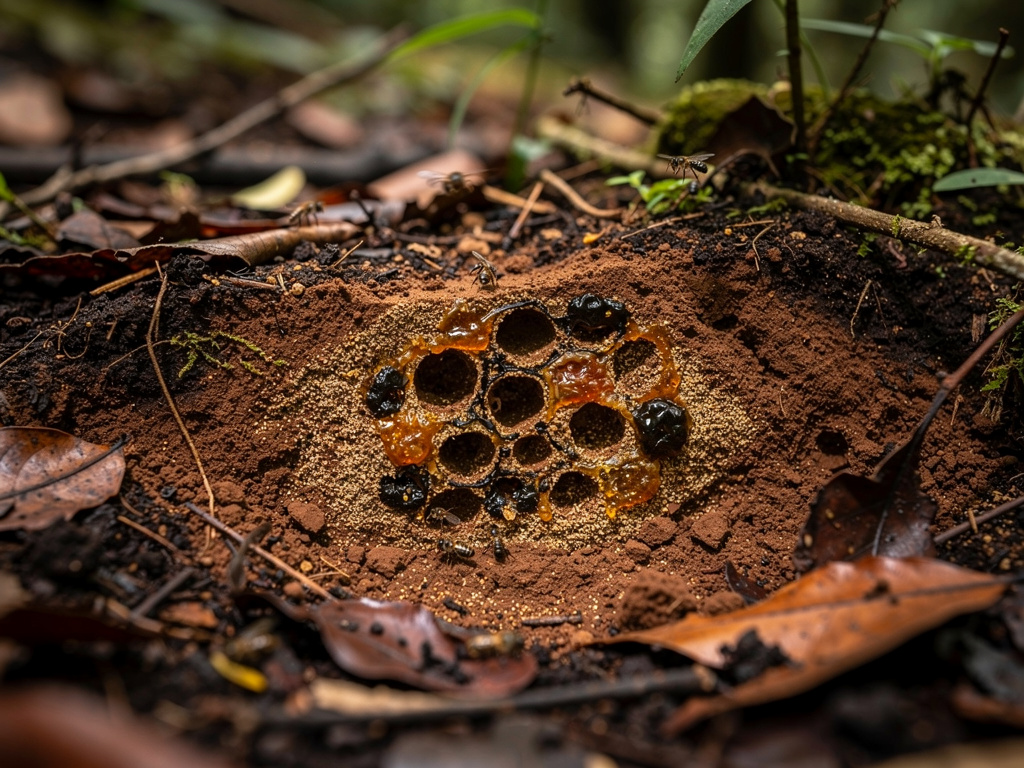
What sets this discovery apart is the nesting style. Unlike many stingless bees that place colonies inside tree hollows, this species builds underground colonies at an average depth of about 209 cm. The nests are described as fortress-like structures, with resin and soil forming protective walls around separate internal chambers.
In the spherical nests, researchers identified five sections that support colony functions. These include areas for honey storage, pollen storage, brood chambers, protective walls, and a folded layer that shields developing young. In some colonies, researchers noted no clear entrance visible above the ground, while in others they found entrance tubes.
Survey and identification after years of fieldwork
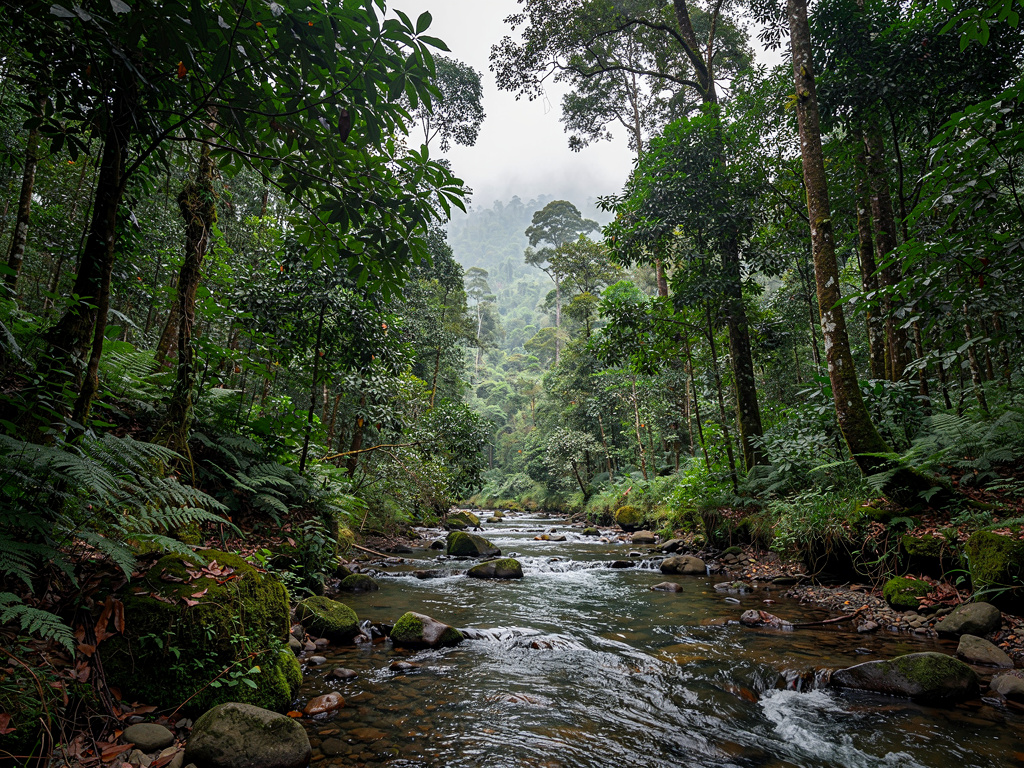
The work involved nearly three years of surveys across forests in Wokha district. Scientists collected specimens from 12 locations and confirmed the bees represented a species not previously described. Three nests were excavated so the researchers could study their structure in detail.
Researchers report that the bee measures about 5.5 mm in length and was identified through examination of 44 morphological characteristics, including body features and male genital structures that help separate it from closely related species. They also documented variations between colonies, such as differences in worker eye colour and other traits.
Scientists also observed young worker bees chewing through the tops of brood cells before emerging as adults, offering rare insight into the species’ life cycle. The findings were published in a peer-reviewed journal, and the discovery adds to knowledge of Northeast India’s biodiversity, where multiple stingless bee species are already known.