Nagaland education reforms show early gains in Grade 10 completion and basic learning scores
A World Bank assessment says Nagaland’s school reform programme is improving Grade 10 completion and early language and mathematics scores, alongside changes in
Nagaland’s ambitious school reform programme is showing early signs of progress, a World Bank assessment said on Thursday. The report points to an increase in Grade 10 completion, rising from 34% to 47% over three years.
NECTAR project behind classroom and management changes
The assessment links the improvement to the Nagaland: Enhancing Classroom Teaching and Resources (NECTAR) project. The programme was launched in 2020 with a budget of $56.5 million. It aims to transform government schools by improving teaching practices, upgrading infrastructure and strengthening how schools are managed.
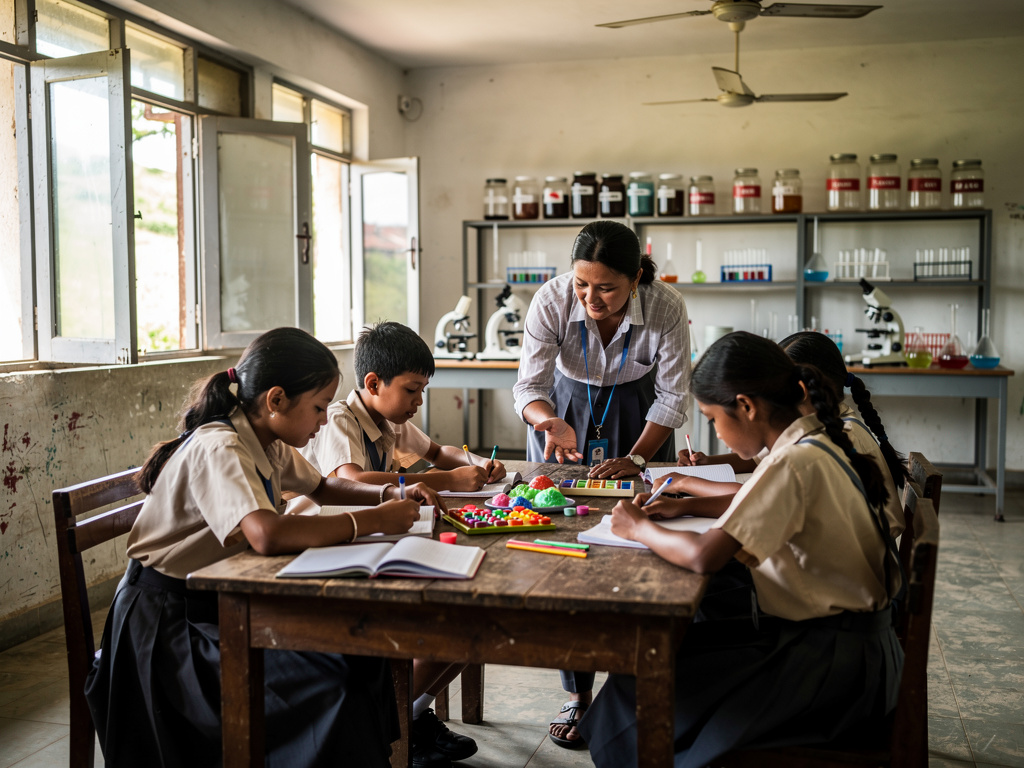
The World Bank said the shift is also reflected in learning outcomes. Government survey data show Grade 3 language scores increased from 60% in 2021 to 63% in 2024. Mathematics scores rose from 51% to 57% during the same period.
According to the report, more than 130,000 students are now benefiting from NECTAR, including over half girls. The programme promotes teaching methods that move away from memorising facts and towards interactive learning. Teachers involved in the effort say this has improved student interest, especially in subjects like mathematics.
New facilities, teacher attendance and practical skills
Reforms under the project extend beyond classrooms. The NECTAR programme is upgrading 16 Lighthouse School Complexes with facilities such as science laboratories, libraries and digital resources. It also includes digital tools for real-time teacher attendance and an education management information system.
School management committees have received performance-based grants to improve local infrastructure and introduce practical vocational skills. The skills mentioned include carpentry, basket weaving, gardening, painting and crochet, which the project is designed to support for students’ future opportunities.
The World Bank noted that Nagaland’s job market has limited private-sector openings, with most salaried work concentrated in government and public sectors. The reforms therefore aim to build stronger academic foundations along with skills that may help students plan for higher education and employment. Education authorities also said new digital systems are expected to become fully operational by August.