Why Brazil’s modern team struggles to match the ‘Ronaldo–Ronaldinho’ era
Fans often point to changes in modern tactics, early player migration to Europe, and a shift in creative midfield roles as reasons Brazil’s recent football peak
Brazil is still widely seen as one of football’s most talented nations. However, many fans feel the Brazil national team has not reached the same level it showed during the era of Ronaldo, Ronaldinho and other iconic names. The debate is less about a lack of talent and more about how the game is played today.
Modern football favours systems over individual freedom
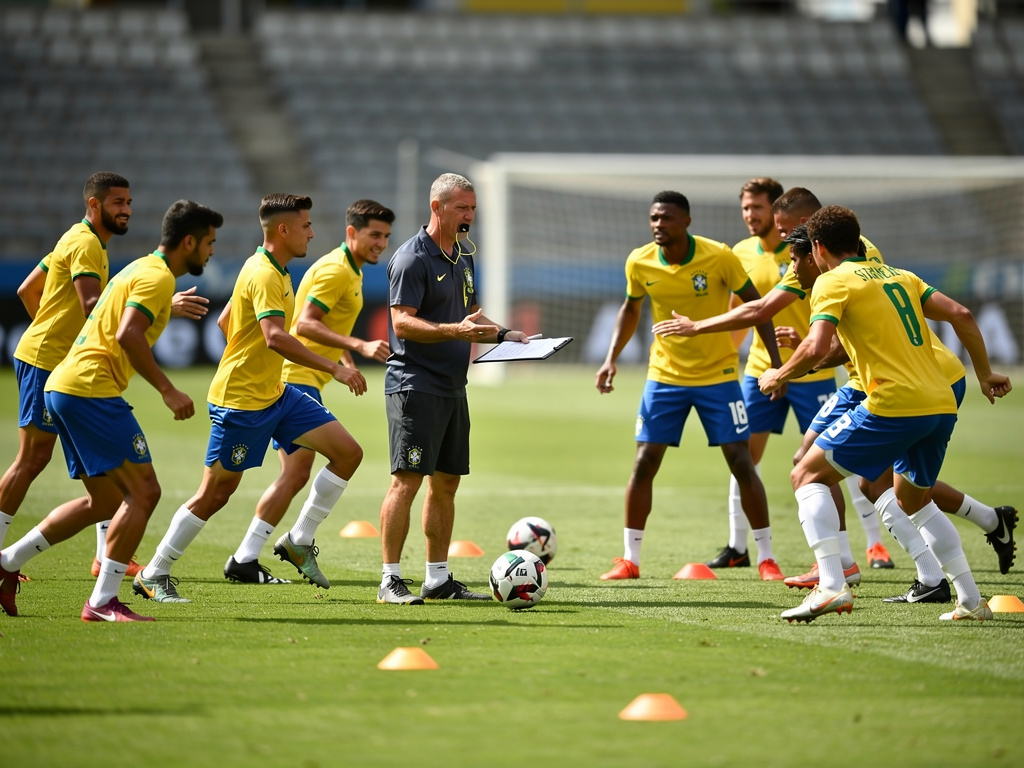
One major reason often discussed is the changing nature of the sport. Modern football places a strong focus on tactics, physical intensity, pressing, and defensive organisation. In that setup, teams usually follow tighter game plans. Individual skill can be used, but it is expected to fit within a collective structure. Fans argue that players like Ronaldo and Ronaldinho were able to express themselves in a way that is harder in today’s highly structured matches.
Another point raised is the way young talents are developed. The article notes that many top prospects leave Brazil for Europe at a young age. That can reduce the time they spend learning in local football culture. While European academies can teach tactical awareness and discipline, some observers say this also changes the style that Brazil is known for, including creativity, improvisation and technical brilliance.
Fewer elite ‘number 10’ playmakers
Brazil’s midfield identity is also part of the discussion. The country has long been associated with world-class attacking midfielders, often linked with the number 10 role. The piece suggests that recent generations have produced many strong wide players, but fewer creative playmakers who can control games from midfield in the same way. This shift is seen as affecting how Brazil plays and what kind of chances the team creates.
Finally, the article points to stronger competition from other football nations. It mentions that European teams have invested in youth academies, coaching education, sports science and tactical development. With that growth across the sport, the gap between Brazil and the rest of the world has narrowed.
Even with these challenges, the article says Brazil continues to develop elite players. The view presented is that Brazil is adapting to a faster, more tactical and more competitive football landscape than the one that Ronaldo and Ronaldinho helped define.